

Building and designing a bar is a highly rewarding venture in the foodservice and hospitality industries, with over 63,000 businesses in the U.S. bar and nightclub sector generating more than $37 billion annually (Statista). A thoughtfully designed and well-built bar attracts a loyal clientele and drives significant revenue by creating a functional and inviting space.
Success in building a bar starts with careful planning and high-quality construction. From selecting a unique concept to following a structured process, every decision plays a crucial role in shaping an efficient, durable, and visually appealing bar. The construction phase involves detailed steps such as developing a practical layout, installing reliable equipment, and conducting final safety checks to ensure smooth operations and compliance with industry standards.
The design phase complements the construction process, focusing on creating an unforgettable ambiance, incorporating practical and stylish elements, and establishing a strong brand identity. When executed precisely, these steps provide a solid foundation for building a bar that stands out in a competitive market, blending form and function to deliver a memorable customer experience.
The Process of Building a Bar
Building a bar requires following carefully planned steps to create a functional, welcoming, and efficient space that aligns with a clear brand identity. Each stage—from pre-construction planning to the grand opening—builds upon the last to ensure the bar serves practical and experiential needs. Establishing a strong brand concept guides every decision, from the types of drinks and food offerings to the design and equipment choices.
Pre-construction planning defines the brand’s purpose, location, and target audience, laying the groundwork for a standout bar. The layout and structural build-out ensure an optimal flow that enhances service speed and customer experience. The choice and installation of bar equipment depend on customer profile and drink offerings, while finishing touches, such as lighting, materials, and decor, bring the brand’s identity to life. Each step, including final inspections and the grand opening, is pivotal in creating a memorable atmosphere that complements the brand’s narrative and attracts loyal customers.
Pre-Construction Planning
Pre-construction planning forms the foundation for a successful bar. The purpose is to lay out the essential goals, requirements, and resources needed to bring the concept to life before breaking ground. This phase includes identifying the target market, determining the bar’s brand identity, and evaluating potential locations to ensure a perfect match with its theme and intended clientele. A comprehensive plan also comprises securing necessary permits, budgeting, and selecting a qualified construction team.
Different types of bars demand unique planning approaches. What works for a pub in a bustling neighborhood does not suit a hotel bar catering to locals and travelers. For instance, a high-end cocktail lounge in a city center emphasizes aesthetics, comfortable seating, and ambiance. At the same time, a sports bar near a college campus focuses on space for group seating, large TV screens, and easy access to draft beer stations. Establishing the bar’s concept at this stage also guides future decisions on layout, decor, and equipment selection.
Compare potential locations regarding foot traffic, parking availability, local competition, and proximity to complementary businesses: all these contribute to a bar’s visibility and accessibility. A location with a distinct entrance, ample seating, and appealing curbside signage attracts more walk-in customers in a densely populated area. In contrast, fostering a community vibe with personalized services and unique offerings is more likely to drive success for a bar in a quieter neighborhood.
The choice of location dictates additional considerations. Sound-deadening materials and systems are necessary while building and designing a bar near an educational or healthcare facility, where the dB your bar generates matters. Check the allowed sound levels and obtain the relevant permits. Incorporate local zoning, health, and safety regulations, too. Overall, pre-construction planning ensures every element of a bar supports smooth operations.
Factors to Consider During Pre-Construction Planning
- Brand Identity and Concept: Determine the type of bar you want to open, such as a cocktail lounge, sports bar, or hotel bar. The concept defines the design choices, drink offerings, and customer experience.
- Target Market: Identify the intended clientele—whether locals, tourists, young professionals, or sports fans—as this guides design and service decisions.
- Location and Accessibility: Evaluate site demographics, foot traffic, competition, and access to parking to optimize visibility and ease of access.
- Budget and Financial Planning: Outline a detailed budget to cover construction, equipment, permits, and other essential expenses, ensuring the concept is financially feasible.
- Permits and Legal Requirements: Research and secure necessary permits and licenses and ensure compliance with local health, safety, and zoning regulations.
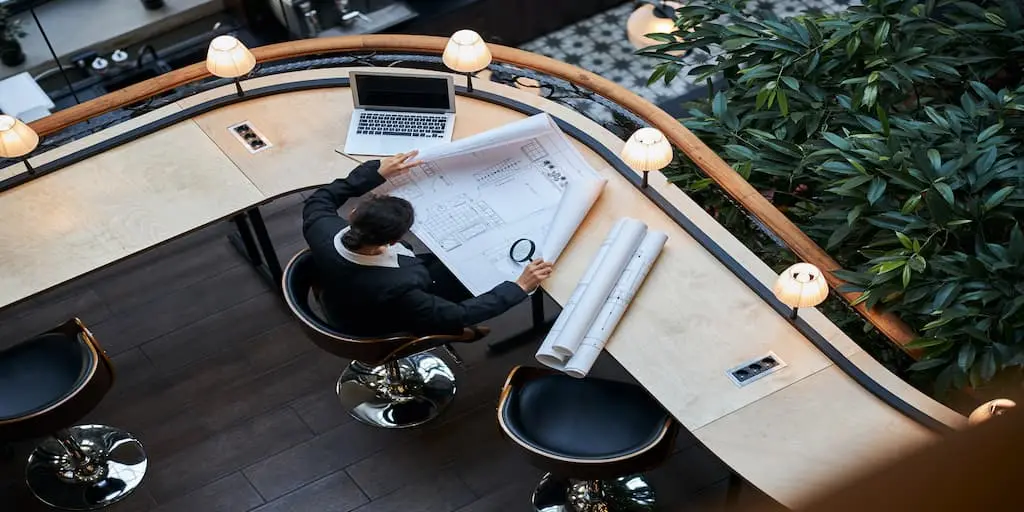
- Blueprint and Layout Planning: Create a general arrangement drawing to outline key areas, such as the bar counter, seating, kitchen, and restrooms. Test different layout configurations for efficient customer and staff flow.
Executing The Layout and Structural Build-Out
Executing the layout and structural build-out marks the transition from planning to action. The bar’s design vision begins to take physical shape. This phase involves constructing the core framework, including walls, floors, and ceilings. Efficient bar layouts, such as L-shaped, U-shaped, or straight-line setups, help optimize space and service speed. The layout also influences seating arrangements and atmosphere. For example, an L-shaped layout is excellent for high-traffic areas as it maximizes seating without crowding the bar. Yet, a straight-line layout best suits intimate venues with limited space.
Establish a general arrangement at this step of the building and design a bar: a detailed drawing outlining key areas such as dining space, kitchen, bar counters, workstations, and staff-only zones. Prioritize functionality and staff efficiency while locating these key elements to boost a productive workflow. This helps clarify each zone’s purpose and space requirements. The best configuration is the one that balances customer comfort and staff efficiency, which you can achieve by testing multiple layouts within the physical space.
The build-out phase also requires serious thought on how and where to install essential infrastructure for electrical, plumbing, and ventilation systems tailored to the bar’s needs. For instance, robust electrical access points are necessary for a sports bar with multiple televisions and refrigeration units. Focus on mood lighting and sound systems when setting up a cocktail lounge. Consequently, the layout should encourage engaging customer interactions and seamless workflow.
Factors to Consider While Executing the Layout and Structural Build-Out
- Layout Type: Choose between L-shaped, U-shaped, or straight-line configurations based on space, service needs, and customer seating preferences.
- Flow and Efficiency: Ensure the layout supports seamless staff movement between workstations, reducing service time and preventing overcrowding.
- Workstations and Storage: Designate work areas for bartenders with accessible storage for commonly used items to optimize efficiency and minimize movement.
- Customer Experience: Position seating and decor to align with the brand’s ambiance, such as booth seating for a cozy bar or communal tables for a social atmosphere.
- Structural and Utility Needs: Install adequate electrical, plumbing, and ventilation systems according to the bar´s unique requirements, such as extra outlets for refrigeration or specialized lighting.
- Integration with Equipment: Plan the structural build to allow for easy installation of essential bar equipment and fixtures in the next phase, such as refrigerators, dishwashers, and sinks, to avoid layout disruptions later.
Installing Equipment and Fixtures
Installing equipment and fixtures is the next step in building and designing a bar. This phase involves placing vital appliances such as refrigeration units, ice machines, dishwashers, and sinks in positions that streamline service and optimize the workflow. Well-placed refrigeration keeps perishable items fresh, while ice machines near drink preparation areas save time during peak hours. Durable, strategically positioned sinks and glass-washing stations maintain cleanliness and ensure bartenders have easy access to sanitized glassware, which is especially critical during busy shifts.
Equipping the bar with well-organized storage areas, liquor shelving, and garnishing stations helps bartenders access tools and ingredients quickly, leading to swift service. Integrate essential components, such as speed rails for frequently used bottles and point-of-sale systems, into the construction without letting interference with movement. These installations support a systematized workflow, allow bartenders to maintain speed and accuracy, and minimize disruptions.
Mounting high-traffic fixtures like bar stools, countertops, and tabletops that align with the bar’s aesthetic is crucial for customer comfort and operational efficiency. These items require a balance of style and durability to withstand regular use and frequent cleaning. Choose bar stools and tables that match the brand’s ambiance, are easy to clean, and resistant to wear. Lighting fixtures contribute to the coziness and vibe of the atmosphere, too. Proper installation reduces long-term maintenance costs and keeps the bar polished and organized throughout the service.
Factors to Consider While Installing Equipment and Fixtures
- Appliance Placement: Position key appliances like refrigerators, ice machines, and sinks strategically to streamline workflow and ensure staff convenience.
- Storage Requirements: Ensure ample storage for glassware, liquor, and garnishes to maintain an organized, clean bar setup that supports high service demands.
- Noise Control: Place noisy equipment, such as ice machines and glasswashers, away from customer areas to minimize distractions and create a relaxed atmosphere.
- Durable and Aesthetic Fixtures: Select bar stools, tables, and countertops that blend durability with style.
- Efficient Workspace Layout: Arrange tools like the point-of-sale system, speed rails, and garnishing stations within bartenders’ easy reach to improve service efficiency.
- Finishing Touches: Prepare to add final aesthetic elements like lighting and decor that refine the bar’s ambiance and align with the brand’s identity.
Finishing Touches in Construction
Finishing touches in construction involve finalizing structural and aesthetic details that shape the bar’s overall appearance and ambiance. These touches focus on exterior elements, such as wall colors, window positioning, and architectural style. The shape and style of the bar highlight its brand identity, communicating to customers whether the space is modern, rustic, or upscale. Wall textures, tiling, and decorative elements make the bar look complete and create a memorable first impression. The right message the building communicates helps the bar stand out and attract its target audience.
Prefer wall colors that harmonize with the brand image. Depending on the bar’s concept, compare bold or neutral tones to draw attention or blend naturally with the surroundings. Window placement is also vital in building and designing a bar: large, strategically placed windows invite natural light and allow passersby to view the interior, creating an inviting and open feel. Small but meaningful details, such as quality exterior materials and cohesive design accents, add polish and professionalism to the finished bar. These finishing construction details convey the bar’s theme before patrons even enter.
Factors to Consider While Adding Finishing Touches in Construction
- Exterior Shape and Style: Design the bar’s shape and architecture to reflect the brand and attract the target market.
- Wall Colors: Choose colors that complement the brand identity and evoke the desired atmosphere.
- Window Positioning: Strategically place windows for natural light and inviting views from outside.
- Materials and Finishes: Use durable, visually appealing materials that withstand weather and wear.
- Final Inspections Checks: Ensure all structural elements meet safety standards and local regulations.
Final Inspections and Safety Checks
Final inspections and safety checks are critical steps in building and designing a bar to ensure the space complies with local codes and regulations while guaranteeing customer and employee safety. These inspections verify that the bar is ready for use with all its structural and operational aspects. Inspectors control plumbing, electrical, HVAC systems, and fire safety measures to confirm they are up to code. For instance, fire safety checks include testing alarms, sprinklers, and emergency exits to ensure the bar meets stringent safety standards.
A thorough inspection process covers both the building’s interior and exterior. Inspectors evaluate the roof, structural integrity, walls, windows, and doors to test if the bar can withstand environmental stressors and maintain a comfortable environment. Interior checks focus on floors, walls, restrooms, and kitchen spaces, highlighting potential hazards or areas requiring upgrades. For example, ensuring water-tight roofing prevents leaks, while up-to-code wiring avoids electrical hazards. These steps confirm that every aspect of the bar is functional and safe.
Energy efficiency and site functionality are other areas reviewed besides major structural elements. Inspectors assess the ventilation system, crucial for maintaining indoor air quality. Details like landscaping, parking areas, and lighting help enhance functionality and aesthetics, making the bar appealing and inviting to patrons. Passing these final inspections and checks is necessary to close work permits, reduce the risk of costly rework, and pave the way for the next stage: a successful grand opening.
Factors to Consider During Final Inspections and Safety Checks
- Structural Integrity: Ensure the foundation, walls, and roof are sound and capable of handling environmental stressors.
- Electrical Systems: Verify all wiring is up to code and can support the bar’s operational needs, from lighting to refrigeration.
- Plumbing: Check for leaks, adequate water pressure, and proper drainage, particularly in kitchens, restrooms, and behind the bar.
- Fire Safety Systems: Confirm the functionality of alarms, sprinklers, fire extinguishers, and emergency exits to comply with local regulations.
- HVAC and Air Quality: Inspect heating, ventilation, and air conditioning systems to ensure they provide a comfortable and safe environment.
- Interior and Exterior Safety: Evaluate the building’s interior for hazards and the exterior for functional landscaping, parking, and lighting.
- Energy Efficiency: To optimize operational costs, assess insulation, lighting, and HVAC efficiency.
- Compliance Documentation: Record all inspections and required permits to avoid delays or legal issues.
- Opening Preparations: Use the completed inspections to finalize the space, adding finishing touches like decor, signage, and promotional materials for the grand opening.

Preparing For The Grand Opening
Preparing for the grand opening is the final step in building and designing a bar. It lets you showcase the bar’s concept, functionality, and ambiance. This event is an opportunity to attract patrons, build a customer base, and establish a strong market presence. A well-planned and executed grand opening creates excitement, drives foot traffic, and generates buzz. Strategic marketing, hiring and training staff, and planning the event in detail help promote a positive impression and a memorable launch that sets the tone for long-term success.
Prepare logistically for the day. Check your stocking inventory, organize the space for optimal flow, and confirm all systems are operational. Promotions such as exclusive discounts, free samples, or live entertainment can captivate potential customers and make the event stand out. Engaging local influencers or media adds more visibility and expands the bar’s reach within the community. Arrange a structured training program or a soft opening to make your staff ready to deliver seamless and enjoyable service.
Suggestions to Consider While Preparing for the Grand Opening
- Special Discounts or Sales: Offer limited-time discounts on drinks or exclusive deals to attract customers.
- Live Entertainment: Hire a local band or DJ to enhance the atmosphere and keep guests engaged.
- Ribbon-Cutting Ceremony: Celebrate the official opening with a ribbon-cutting event, which doubles as a photo opportunity.
- Themed Event: Host a themed opening night to create a unique and memorable experience.
- Free Samples and Giveaways: Provide complimentary appetizers or drinks to highlight the bar’s offerings.
- Local Partnerships: Collaborate with nearby businesses to cross-promote services and create a community-driven vibe.
- Influencer and Media Invitations: Invite local influencers and journalists to spread the word through social media and press coverage.
Planning the grand opening weeks before sets the tone for establishing the bar’s reputation. Consider every aspect thoroughly, from creating a marketing strategy to finalizing the menu and event details, to generate excitement and encourage future visits. Remember that a successful event leaves a lasting impression, builds customer loyalty, and emphasizes the care taken in designing a bar.
The Process of Designing a Bar
Designing a bar requires a keen eye for detail and a deep understanding of customer preferences. Following a strategic approach promotes a functional and stylish bar that reflects a unique identity. Thoughtful design choices create an inviting, efficient, and memorable environment.
Establishing The Concept and Ambiance
Establishing the concept and ambiance is foundational in building and designing a bar, as it defines the brand’s identity and shapes the customer experience. The concept determines the type of drinks and food offered, the target audience, and the bar’s atmosphere. For instance, a dimly lit cocktail lounge with soft jazz appeals to a mature, sophisticated crowd, while a sports bar with bright lights and big screens attracts a younger, energetic audience. Consistent ambiance across design elements like lighting, music, and decor ensures a cohesive experience that resonates with guests and fosters loyalty.
The psychology of perception plays a key role in designing a bar’s ambiance. Factors such as lighting, color schemes, and sound directly impact how customers feel in the space. Warm ambient lighting creates a cozy and relaxed environment, while vibrant neon lights energize partygoers. Color schemes evoke different emotions—red and yellow stimulate appetite and energy, while green promotes relaxation. Background music tailored to the bar’s theme enhances the vibe, such as upbeat tracks for a lively atmosphere or soft melodies for an intimate setting. These subtle sensory cues influence customers to stay longer and spend more.
Tips for Establishing the Concept and Ambiance
- Choose a Memorable Theme: Incorporate unique themes like speakeasy, sci-fi, or Western to distinguish your bar from competitors.
- Design a Strategic Lighting Plan: Use layered lighting—ambient for general illumination, task for functionality, and accent for decor highlights.
- Curate a Playlist: Match music to the bar’s identity, such as rock for a biker bar or mellow tunes for a wine lounge.
- Prioritize Comfortable Seating: Invest in cushioned seats and booths to encourage customers to stay longer.
- Incorporate Artistic Decor: Use paintings, murals, or thematic elements that reflect the bar’s story and values.
- Craft a Signature Menu: Offer unique cocktails and mocktails that align with the bar’s concept.
- Keep It Clean and Organized: Create a tidy, clutter-free environment for a welcoming and stress-free atmosphere.
Planning The Layout For Optimal Flow
Planning the layout for optimal flow when building and designing a bar contributes to a more functional bar. A well-organized bar equipment layout minimizes unnecessary movements for bartenders, reduces fatigue, and enhances service speed. Strategic placement of bar tops, underbar equipment, and storage spaces provides quick access to essential tools and ingredients. For instance, aligning shelving and speed rails within a single step of bartenders can significantly improve drink preparation times during peak hours. Additionally, open pathways for patrons and accessible service areas enhance customer experience by eliminating congestion.
A thoughtful layout considers the bar’s size and shape to maximize space utilization. A long, narrow bar may benefit from a linear design, while a square venue might incorporate an island bar to encourage social interaction. Incorporating ergonomic guidelines—such as optimal bar heights of 42 in (106.68 cm) to 45 in (114.3 cm) and accessible aisle spaces—increases comfort for both staff and customers. Balance intimacy with sociability when arranging seating; mixing high-top tables with bar stools caters to varied customer preferences.
Tips for Creating an Efficient Bar Layout
- Utilize Ergonomic Measurements: Follow industry standards for bar heights, rail depths, and shelving placement to refine staff and guest comfort.
- Optimize Bartender Workflow: Arrange underbar equipment and storage for liquor, glassware, and garnishes within easy reach to minimize wasted movements.
- Ensure Customer Comfort: Balance seating arrangements with spacious aisles to accommodate individual and group patrons while allowing free movement.
- Test Layouts Before Finalizing: Experiment with different configurations by observing customer flow and staff efficiency to make necessary adjustments.
- Meet Safety Regulations: Design pathways and seating to comply with fire safety codes, accessibility requirements, and ventilation standards.
- Focus on Entrance and Restroom Placement: Create a welcoming entrance and locate restrooms conveniently, yet discreetly, to maintain customer comfort.
Selecting Equipment With Both Functionality And Style In Mind
Selecting functional and stylish equipment when building and designing a bar upgrades operational efficiency and visual appeal. Refrigeration units, draft systems, cocktail stations, and similar appliances must be functional, easy to use, and aligned with the bar’s overall design. For instance, a sleek backlit liquor display can double as storage and an attractive focal point. Durable and energy-efficient equipment, like modern ice machines and professional-grade dishwashers, minimizes maintenance costs and supports high-volume service during peak hours.
Efficiency is key when selecting equipment, as it directly affects bartender productivity and customer satisfaction. Consider ergonomic designs for underbar storage, speed rails, and garnishing stations to streamline the workflow. Proper glassware storage helps avoid shortages during busy shifts, and overhead-mounted glass racks save space while maintaining an organized aesthetic. Equipment placement matters too: noisy machines like ice makers and glasswashers should be stationed away from customer areas to maintain a pleasant ambiance.
Tips for Selecting and Placing Bar Equipment
- Refrigeration Units: Choose energy-efficient models to store beverages at optimal temperatures at lower costs.
- Ice Machines: Invest in machines that meet your bar’s peak demand without frequent refilling. Avoid placing them in high-traffic or customer-facing areas.
- Glassware Storage: Use adjustable shelving or overhead racks to accommodate various glass types and optimize space.
- Speed Rails and Garnishing Stations: Position frequently used items within easy reach to minimize wasted bartender movements.
- Noisy Equipment Placement: Station glasswashers and other loud appliances in enclosed or side areas to maintain a calm customer environment.
- Point-of-Sale Systems: Upgrade to modern systems for faster transactions and seamless inventory management.
- Stylish Liquor Displays: Opt for well-lit shelving units or cabinets, highlighting your liquor selection and complementing your bar’s theme.
Finishing Touches: Materials, Branding, and Decor
The finishing touches of a bar with the right materials, branding, and decor choices elevate its design, making it memorable and practical. Selecting high-quality materials influences durability, ambiance, and the overall experience. For high-use areas, consider sturdy options like stainless steel, treated wood, or polished concrete, which are stylish and easy to maintain. Textured surfaces, such as rustic wood or soft upholstery, add warmth and character, while sound-absorbing materials like rugs and padded seating enhance acoustics. Target the aesthetics-safety balance when comparing flooring options: prioritize slip-resistant finishes to protect patrons and staff.
Branding is integral to reinforcing a bar’s identity. Consistent use of logos, signature colors, and themed elements across signage, menus, coasters, and even staff uniforms helps create a cohesive brand experience. For instance, a tiki bar incorporates tropical motifs on drinkware and menus, while an industrial-themed bar uses minimalist fonts and metallic accents. Custom touches, like etched glassware or illuminated liquor displays, add sophistication and keep the bar aligned with its theme. Consistency across all these media, from social media visuals to printed menus, is the core of branding while building and designing a bar.
Decor completes the experience by adding personality and warmth. Thoughtful elements like wall art, lighting, and plants can transform a functional space into an inviting destination. Lighting is particularly crucial; a mix of ambient, accent, and task lighting creates layers of illumination that set the mood. For example, pendant lights over the bar can highlight the counter’s texture, while warm, dimmable sconces create a cozy atmosphere. Incorporate decor that complements the bar’s theme, such as vintage posters for a retro bar or sleek modern artwork for a contemporary venue.
Tips for Perfecting Finishing Touches
- Choose Durable Materials: Select surfaces that withstand heavy use, such as stainless steel counters, treated wood flooring, or spill-resistant upholstery.
- Incorporate Textures: Use a mix of materials, like soft fabric seating and rugged wood finishes, to add depth and appeal.
- Focus on Branding: Align signage, drinkware, and uniforms with the bar’s theme for a unified experience.
- Invest in Unique Decor: Add distinctive elements like custom wall art or thematic lighting fixtures to enhance the ambiance.
- Optimize Lighting: Use layered lighting, accents, and ambient sources to create a welcoming environment.
- Create a Cohesive Theme: Tie colors, textures, and decorative elements to make the bar memorable and inviting.
- Consider Safety: Ensure flooring is slip-resistant and all materials are easily cleaned and maintained.
Designing for Safety and Accessibility
Designing for safety and accessibility contributes to a welcoming and secure environment for all patrons, including those with disabilities. Compliance with regulations, such as the Americans with Disabilities Act (ADA), ensures that entrances, restrooms, and seating accommodate everyone. Features like ramps with gentle slopes, automatic doors, and slip-resistant flooring enhance accessibility. Mark the emergency exits clearly and keep the pathways unobstructed to allow smooth navigation for all guests. Incorporating these elements promotes inclusivity in commercial bar design.
Safety is a top priority when building and designing a bar. Be sure to address structural integrity, fire safety, and health compliance during the design process. Fire-rated walls, emergency lighting, and strategically placed extinguishers safeguard patrons and staff in emergencies. Proper ventilation and drainage systems prevent health hazards, and non-slip flooring minimizes the risk of falls. Accessibility extends to restrooms: furnish them with grab bars, oversized stalls, and fixtures mounted at appropriate heights.
Tips for Achieving Safety and Accessibility
- Accessible Entrances: Install ramps or ground-level entry points with a slope ratio of 1:12 per ADA guidelines. Use automatic doors for ease of entry.
- Restroom Design: Include at least one wheelchair-accessible stall with grab bars and space for maneuvering. Ensure sinks, soap dispensers, and hand dryers are mounted at accessible heights.
- Navigational Clarity: Provide clear signage, braille displays, and tactile paving to guide all patrons. Pathways should be at least 36 in (91.44 cm) wide for wheelchair accessibility.
- Fire Safety: Equip the bar with fire-rated walls, sprinklers, alarms with visual and audible signals, and well-marked evacuation routes.
- Slip-Resistant Flooring: Choose materials that minimize slips and trips while blending with the bar’s design theme.
- Emergency Systems: Check if evacuation plans include accessible routes and conduct regular safety drills that account for patrons with disabilities.
- Seating Requirements: Allocate a minimum of 5% of seating for ADA compliance to keep adequate space for wheelchairs and companion seating.
Conclusion
Building and designing a bar is profitable but demands thoughtful planning and high-quality execution. The building phase involves pre-construction planning to establish brand identity, select a prime location, and outline structural needs. During the layout and structural build-out, bar configurations, such as L-shaped or straight-line layouts, improve service flow and enhance customer experience.
The designing phase focuses on establishing the concept and ambiance, selecting equipment that balances functionality and style, and using decor and branding to reinforce the bar’s identity. Finishing touches, such as the flooring material and decor, reflect branding and attract customers. Safety and accessibility checks refine the design. These steps help build a venue that attracts loyal customers, promotes smooth operations, and stands out in the competitive bar industry.

