


Ice cream hardening freezers are one of the pivotal ice cream shop equipment that ensures each ice cream batch reaches consumers in its optimal state: delicious and creamy. Ice cream hardening freezers rapidly freeze and stabilize ice cream. This rapid freezing locks in texture, flavor, and quality, prevents ice crystal formation, and maintains premium ice cream’s smooth, velvety consistency.
Ice cream hardening cabinets rapidly freeze freshly made ice cream at very low temperatures, typically between 0°F to -40°F (-18°C to -40°C), to stabilize its texture and prevent the formation of ice crystals. Equipped with powerful fans, these freezers circulate cold air to freeze the ice cream evenly, ensuring it maintains its smooth texture and flavor. They freeze the ice cream quickly and store it until it’s ready for packaging or display, preserving its freshness and quality.
Key features include precise temperature control systems, fast-freezing capabilities, energy-efficient designs, and heavy-duty construction to support large production volumes. Maintenance-friendly features, remote monitoring, and automation improve operational efficiency, while eco-friendly refrigerants with lower Global Warming Potential (GWP) contribute to sustainability.
Two main types are Reach-In Hardening Freezers for smaller operations with limited space and Walk-In Hardening Freezers for large-scale production. These freezers enhance the efficiency of ice cream production by reducing freezing time, improving texture, and maintaining flavor, making them essential for businesses prioritizing high-quality ice cream production.
How Do Ice Cream Hardening Freezers Work?
Ice cream hardening freezers work by rapidly freezing the freshly made ice cream to stabilize its structure. They operate at very low temperatures, usually ranging from 0°F (-17.77°C) to -40°F (-40°C), colder than standard freezers. They have powerful fans that circulate cold air around the ice cream placed on racks or shelves inside the hardening cabinet. The extremely low temperatures cause the ice cream to harden quickly without forming ice crystals. Hardening freezers also help store the frozen ice cream, retaining its full flavor profile until it is ready for packaging, display, or shipment.
What are the Key Features of Ice Cream Hardening Cabinets?
Temperature ranges, fast freezing, energy-saving, temperature control, material, maintenance needs, remote monitoring and control, automation, and refrigerant features are the key features of ice cream hardening freezers that affect the quality and performance.
Temperature Ranges
The temperature for ice cream to solidify is -0.4°F (-18°C) or lower. The most preferred temperature is -15°F (-26.11°C). The higher the temperature, the quicker the hardening, which is important for preventing ice crystal formation. A wide range means the ability to adjust freezing temperatures. This versatility is valuable for businesses that produce different frozen desserts, such as gelato, frozen yogurt, or sorbet. They require slightly different freezing and storage conditions.
Fast-Freezing Capabilities
The fast freezing capabilities of ice cream hardening cabinets directly relate to the quality of the final product. Freezers with fast-freezing capabilities reduce ice cream’s hardening time from soft-serve consistency to fully hardened. The freezing speed improves the texture of the ice cream by preventing large ice crystals from forming. It increases the efficiency of your production process by allowing you to freeze larger quantities in a shorter amount of time. Fast-freezing capabilities are essential for high production volumes to quickly prepare ice cream for packaging and distribution.
Energy-Saving Features
Energy-saving features are top concerns in commercial settings, especially for equipment that runs day and night. Ice cream hardening freezers are energy-intensive units as they need to maintain ultra-low temperatures. Look for Energy Star-compliant freezers, which often have energy-saving features such as high-insulation, energy-efficient compressors, and defrosting systems that minimize energy use. The presence of dual fans and extended evaporator coils reduces consumption. Models with an auto door switch turn off the fan when the door opens, saving energy. Programmable controls and remote monitoring systems also lower power consumption.
Temperature Control Systems
Precise temperature control ensures every batch of ice cream production reaches consumers at its peak texture and flavor profile. Advanced temperature control systems let you set and maintain exact temperatures across the freezing cabinet. This consistency avoids issues where ice cream near the door does not freeze as thoroughly as ice cream stored in the back. Units with digital temperature controls and LED displays improve user-friendliness. Temperature control is critical for storage. Temperatures above -13°F (-25°C) promote ice crystal growth (Ice Cream Technology e-Book). Ice cream stays stable for an indefinite time below this temperature.
Heavy-Duty Construction
Heavy-duty construction is essential given the demands of commercial ice cream production. Prefer models with durable, stainless steel construction, which is resistant to wear and tear and easy to clean and sanitize. Additionally, high-quality seals on the freezer doors help maintain the low internal temperatures needed for rapid freezing. Heavy-duty shelving and interior components are also important to support large quantities of ice cream. Strong, sturdy shelving prevents damage to the freezer or products.
Maintenance Requirements
Maintenance requirements make a difference in the overall cost of ownership. Ice cream hardening freezers with lower servicing needs save your business time and money. Models that are easy to clean, with smooth surfaces and accessible components, require fewer maintenance cycles. Freezers with self-cleaning features, such as automatic defrost systems, help reduce the need for manual maintenance. Some freezers have diagnostic systems that alert you to potential issues before they become major problems, encouraging preventative maintenance and avoiding costly downtime.
Remote Monitoring and Control
Remote monitoring and control are a valuable asset for high-volume operations. Many modern ice cream hardening freezers offer remote monitoring systems that allow you to check the freezer’s status, adjust settings, and receive alerts in case of any issues. This ability ensures the stored ice cream always remains at the correct temperature even when you are not on-site, reducing the risk of spoilage or inconsistent freezing. It is possible to integrate a freezer with a remote control into a larger production management system and streamline the whole ice cream-making, serving, displaying, and storing process.
Automation For Consistency
Automation is key to maintaining consistency across large batches of ice cream in high-volume production settings. Many commercial ice cream hardening freezers have advanced automation features that regulate temperature and other settings based on environmental changes, such as temperature fluctuations. Automation reduces maintenance requirements and improves efficiency. For instance, automatic defrost systems prevent frost build-up on the cooling coils, and auto door switch technology stops the fan from blowing when the door opens.
Refrigerants With Lower GWP
Refrigerants with a lower Global Warming Potential (GWP) help businesses lower their carbon footprint. GWP measures a refrigerant’s potential to contribute to global warming. The higher the measure, the greater its impact on climate change. Common refrigerants used in the ice cream refrigeration market are R404A and R134A. Their high GWP values of 3922 and 1430 have motivated some manufacturers to search for more eco-friendly alternatives like the R290, with a much lower GWP of 3.3 (US Environmental Protection Agency).
(You can get more information about refrigerants in our “Types of Refrigerants Used in Commercial Refrigeration” article.)
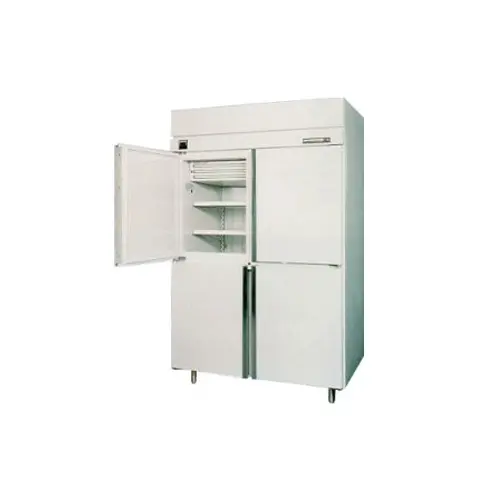
What are The Types of Ice Cream Hardening Freezers?
Reach-ins and walk-ins are the two types of ice cream hardening freezers. Each comes in multiple sizes and features to meet the specific needs of different business types and production levels.
Reach-In Hardening Freezers
Reach-in hardening freezers are smaller, more compact units ideal for businesses with limited space or lower production needs. Their design resembles standard commercial freezers, with easy-access doors and multiple adjustable shelves. Despite their smaller size, reach-in freezers are highly effective at freezing and storing ice cream. They are typically available in 1 or 2 sections with 1 to 4 doors. They help small ice cream parlors, cafes, or boutique shops meet production volumes without overcrowding the workspace.
Walk-In Hardening Freezers
Walk-in hardening freezers are much larger than reach-in units and offer significantly more storage capacity. These freezers are ideal for businesses producing or storing large quantities of ice cream. Large manufacturing plants, distribution centers, or ice cream parlors that serve bigger crowds of ice cream lovers often purchase walk-in hardening freezers. Shelving, racks, door types, and sizes are customizable to optimize the freezer’s performance and fit.
What are The Benefits of Using Ice Cream Hardening Freezers?
Texture and consistency, flavor retention, freshness, bulk production capability, quick turnaround, and constancy are the main benefits of ice cream hardening freezers.
Texture and Consistency
Texture and consistency are ice cream’s most significant benefits of hardening freezers. Consumers love ice cream for its smooth, creamy texture, not the gritty or grainy mouthfeel. This happens when freshly produced ice cream freezes slowly because water molecules have more time to come together and form ice crystals. Fast freezing by ice cream hardening cabinets traps the water molecules more quickly, preventing ice crystal formation. Ice cream thus keeps its velvety texture pleasing to the palate and visually appealing.
Retention of Flavor
Retention of flavor is a direct result of the freezing process. Slow freezing exposes ice cream to warmer temperatures, leading to oxidation and negatively affecting the flavor profile. Ice cream hardening freezers lock in the ice cream’s freshness and maintain a constant low temperature. Rapid freezing ensures the ice cream retains its original flavor, whether rich chocolate, delicate vanilla, or a complex blend of fruit and spices. This benefit enables businesses offering unique or exotic flavors to showcase the full depth of their ingredients.
Preserving Freshness
Ice cream hardening freezers preserve the overall freshness of the product by reducing exposure to fluctuating temperatures and preventing the growth of bacteria. These freezers’ wide temperature ranges help keep ice cream and other frozen treats consistently at low temperatures for longer periods. Businesses that need to store large quantities of ice cream for future distribution or sale thus have a ready-to-distribute stock of fresh ice cream. Maintaining freshness is vital in retail settings, too. Properly hardened ice cream also retains its structure during the transfer from the production freezer to display freezers in retail environments.
Bulk Production Capabilities
Bulk production capabilities of ice cream hardening cabinets constitute a significant advantage for ice cream manufacturers and distributors. Ice cream hardening freezers, especially walk-in freezers, allow businesses to freeze large batches of ice cream at once. This bulk production capability is particularly beneficial during peak seasons, such as summer, when the demand for ice cream skyrockets. Businesses can keep pace with demand, ensuring ample supply meets customer needs.
Quick Turnaround Time
Quick turnaround time is critical in fast-paced production environments. Ice cream hardening freezers significantly reduce the time it takes to freeze and prepare ice cream for packaging or sale. Faster freezing times translate to increased output without sacrificing quality. Commercial settings like ice cream trucks or soft-serve stands rely on quick turnaround times to supply fresh ice cream ready to serve almost immediately after production. This allows for faster service and increased customer satisfaction.
Consistency in Production
Consistency is key to building a loyal customer base in the food industry. Customers expect the same high-quality product every time they purchase ice cream; ice cream hardening freezers help you achieve that consistency. Uniform, controlled freezing conditions in these freezers guarantee each ice cream batch remains consistent in texture, flavor, and appearance. Maintaining consistency across multiple locations is vital for chain stores or building brand loyalty and customer trust.

What Are The Considerations When Buying The Right Ice Cream Hardening Freezer?
Production volumes, space, energy efficiency, your budget, and brands and models are the 5 considerations when buying the right ice cream hardening freezer. The right freezer helps boost efficiency, maintain product quality, and reduce operational costs.
Assessing Production Volume
Assessing production volume involves asking yourself how much ice cream you need to produce or store. Try your best to match the size and capacity of the freezer to the volume of ice cream your business demands. A compact 1 or 2-section reach-in freezer is ideal for smaller operations, such as boutique ice cream shops or artisanal producers. Large-scale ice cream production facilities and distributors can benefit from a walk-in model to handle the bulk quantities they produce.
Space Considerations
The amount of physical space you have available for a freezer plays a significant role in your decision. Hardening freezers come in various sizes, from compact reach-in units to large walk-in freezers that require a dedicated room or section of your facility. Carefully evaluate your available space and consider how the freezer fits your production layout. The placement of the freezer also requires considering electrical and ventilation needs. Locating your freezer close to ice cream machines is wiser for workflow efficiency.
Prioritizing Energy Efficiency
Prioritizing energy efficiency is necessary to keep operating costs manageable. The super-low temperatures ice cream hardening freezers maintain make this consideration valuable. Energy Star-rated units have a certified track record for consuming less energy. Look for models with energy-saving features, such as high-quality insulation, energy-efficient compressors, and programmable defrost systems. Purchasing an energy-efficient unit costs more upfront but significantly saves energy bills in the long run.
Analyzing Your Budget
Analyzing your budget includes the initial cost, operational costs, and ROI evaluation. The cost of ice cream hardening freezers varies depending on the size, features, and brand. Establish a clear budget before beginning your search for a freezer. Opting for a lower-cost unit seems tempting, but ongoing expenses like energy consumption, maintenance, and repairs often total more significant sums. Consider how quickly the freezer pays for itself in terms of increased production, improved quality, and reduced operating costs.
Deciding on Brand and Models
Many reputable manufacturers are in the market. Some top-rated brands include Amtpo, Eurodib USA, Global Refrigeration, Emery Thompson Machine and Victory by Carpigiani, and Cardinal Carts and Equipment. Choosing a reliable brand is vital for ensuring durability, quality, and ease of maintenance. Read customer reviews of different brands and check their customer support and warranty periods. Compare the strengths and weaknesses of different commercial ice cream hardening freezer models. For instance, Global Refrigeration offers multiple-door options, and Eurodib USA’s models use a lower GWP refrigerant of R290.
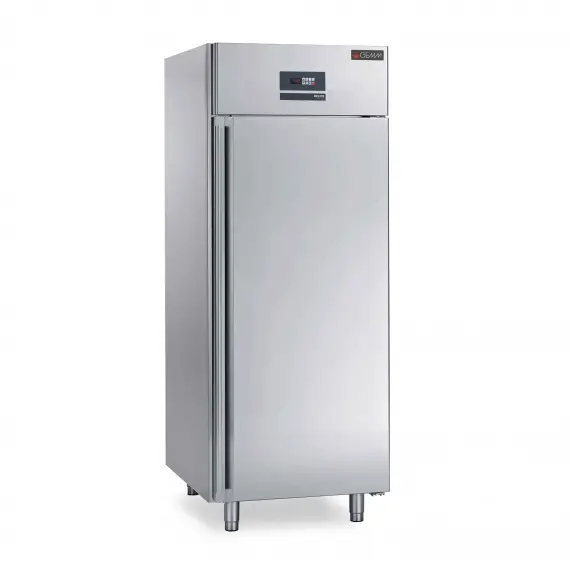
How Ice Cream Hardening Freezers Enhance The Functionality of Commercial Ice Cream Machines
Ice cream hardening freezers play a crucial role in complementing the production done by commercial ice cream machines. While commercial ice cream machines are responsible for the initial production of soft, creamy ice cream, hardening freezers take the process further by rapidly freezing the product to lock in texture and flavor. This ensures that your ice cream is smooth and delicious when served and has a longer shelf life. Whether using a batch freezer or soft serve machine, the hardening freezer is the final step in perfecting your ice cream before it’s ready for packaging, storage, or display.
Conclusion
Ice cream hardening freezers are indispensable for any ice cream business, whether a small boutique shop or a large-scale manufacturing plant. These freezers are vital in delivering high-quality ice cream to your customers, from preserving texture and flavor to increasing production efficiency and reducing waste. Understanding the various types of ice cream hardening freezers and considering factors such as production volume, space, energy efficiency, and budget helps you select the right freezer. A model with automated, energy-saving features drives your business to success and boosts sales by storing top-tier ice cream that keeps customers flowing.

