

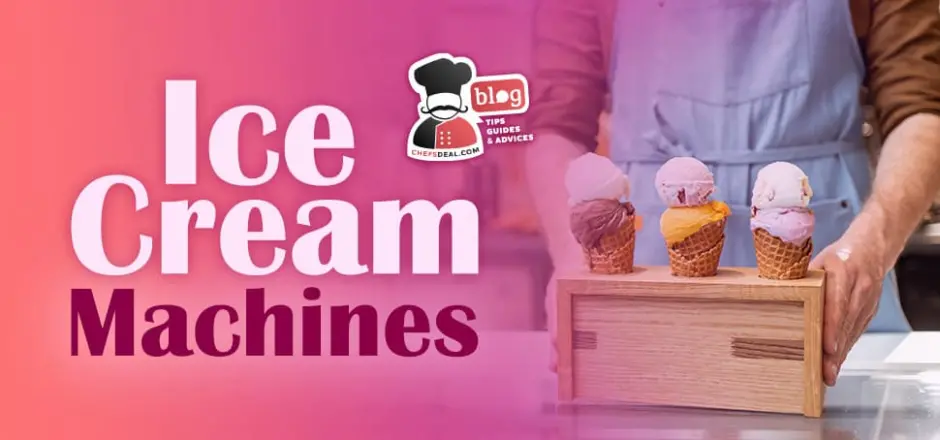
Commercial ice cream machines are the backbone of any frozen dessert operation in the foodservice industry. These machines are crucial ice cream shop equipment enabling operators to create and serve fresh, delicious frozen refreshments in-house, like ice cream, gelato, yogurt, and sorbet. The magic of ice cream machines goes beyond these delightful swirls and tempting flavors. They are equipped with advanced technology to control every aspect of the texture and consistency, allowing you to offer unique treats for your guests. Refining menu offerings ultimately boosts customer satisfaction.
Types of Ice Cream Machines
Commercial ice cream machines provide an elegant display and serving spot for frozen desserts, driving revenue. However, an optimized business performance requires selecting the right commercial ice cream maker type. They all come in countertop and floor model options, furnished with versatile features and purposes catering to different needs. The most popular commercial ice cream machine types are:
- Soft-Serve Machines
- Batch Freezers
- Gelato machines
- Frozen Yogurt Machines
- Sorbet Machines
- Mixed-Use Machines
Soft-Serve Machines
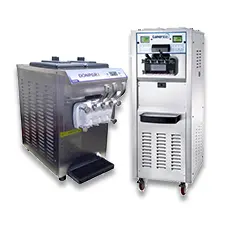
Soft-serve machines are the workhorses of fast-paced settings like concessions stands, ice cream parlors, and fast-food chains. These machines feature 1 or 2 hoppers to hold a pre-mix powder or liquid. They freeze this mix and dispense it in soft, fluffy swirls directly into a cone or cup. The pressurized air injection helps create the light and airy texture of soft-serve. They churn out more than soft-serve: frozen yogurt, gelato, and even custard. Soft-serve machines have 1 to 3 valves to dispense single flavors separately or 2 flavors mixed in one serving.
Batch Freezers
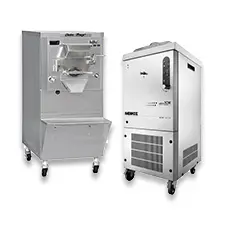
Batch freezers are perfect for making unique, small-batch ice cream flavors. Ice cream shops that prioritize customization purchase these machines because they allow complete control over ingredients and the churning process, resulting in denser and richer ice cream with a luxurious mouthfeel compared to soft-serve. They are ideal for crafting unique flavor profiles or catering to specific dietary needs. Batch capacities typically range from 2 qt (1.892 L) to 150 qt (141.952 L) per hour. Features like programmable timers and variable speed settings help achieve perfect consistency for hard or soft-serve ice cream treats.
Gelato Machines
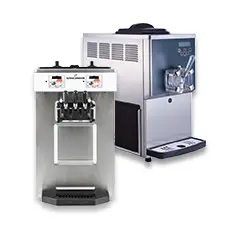
Gelato machines deliver the popular Italian-style ice cream, incorporating less air. Gelato enthusiasts crave a richer and more intense flavor experience than traditional ice cream. Gelato machines achieve that by infusing 50% less air into the pre-mix in the hoppers. Many models have dual hoppers for creating two flavors at once. Key features include a slower churning process and specialized paddles for denser gelato. Authentic-themed ice cream shops buy these machines to serve gelato treats like hazelnut and pistachio, along with creative fruit-based sorbets.
Frozen Yogurt Machines
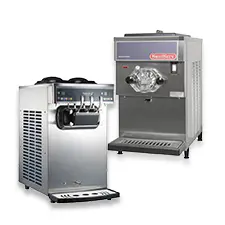
Frozen yogurt machines are close cousins to soft-serve machines. They work similarly but offer a tart and tangy alternative to ice cream. They specifically address health-conscious crowds with various tart flavors and healthy toppings like granola and fresh fruit. Many fro-yo machines boast settings for controlling tartness and the ability to dispense multiple flavors for el-serve customization. The ever-growing love and demand for low to non-fat soft-serve refreshments make this ice cream shop equipment a guaranteed revenue driver.
Sorbet Machiens
A sorbet machine is a specialized piece of commercial kitchen equipment designed to produce sorbet, a frozen dessert made from sweetened water, fruit juice or puree, and sometimes alcohol. These machines operate by churning the mixture while simultaneously freezing it, which prevents the formation of large ice crystals and creates a smooth, consistent texture. Sorbet machines are typically equipped with features that allow precise control over the freezing process, ensuring the final product has the desired consistency and flavor. They are commonly used in restaurants, ice cream parlors, and catering businesses to create high-quality, artisanal sorbets.
Mixed-Use Machines
Mixed-use machines are multitasking marvels in the commercial ice cream machines world. They produce many frozen recipes, from soft-serve ice cream and frozen yogurt to sorbet and gelato. They typically have multiple hoppers, programmable settings, and a user-friendly interface for creating different flavors simultaneously. Versatility is the main benefit of these machines. Mixed-use machines are perfect for ice cream-serving businesses that cater to a broader customer base or need a space-saving solution.
How Ice Cream Machines Work
Ice cream machines transform a dairy-based liquid mix into a frozen dessert through a delicate balance between freezing and aeration. A refrigerant continuously lowers the temperature of the mix inside a chilled chamber, causing ice crystals to form. Simultaneously, paddles or dashers churn the mix, adding air bubbles. The agitation creates the smooth and creamy texture people love. This impeccable aeration-freezing harmony relies on a network of specialized components and an unfailing operational flow.
Components of Commercial Ice Cream Machines
Commercial ice cream machines share some essential components across different types. The 4 crucial components are:
- Hopper: The compartment that accommodates the pre-chilled ice cream mix and feeds it into the freezing cylinder
- Freezing Cylinder: The insulated chamber that holds the ice cream mix and is surrounded by a refrigerant to achieve the desired freezing temperature
- Agitator: The blade or paddle continuously churning the mixture, incorporating air and breaking up ice crystals for a smooth texture.
- Dispensing Valve: The valve that controls the flow of the frozen product from the machine.
- Control Panel: The user interface that allows operators to adjust settings like temperature, churning speed, and dispensing volume.
Operational Flow
The operational flow of a commercial ice cream machine follows a specific sequence. The steps include:
- Pre-Chilling: The ice cream mix is poured into the hopper or directly into the freezing cylinder (batch freezers) and pre-chilled to a specific temperature.
- Freezing & Aeration: The machine activates, and the refrigerant lowers the temperature within the cylinder. Simultaneously, the dasher churns the mixture, incorporating air and beginning the freezing process.
- Maintaining Consistency: The control panel monitors and adjusts temperature and churning speed to optimize consistency throughout the freezing process.
- Dispensing: Once frozen to the right consistency, the operator dispenses the product through the valve into cones or cups (or larger containers in batch freezers).
Commercial Ice Cream Maker Terminology
Commercial ice cream maker terminology is essential for navigating the different options and functionalities. The key terms below help you understand how commercial ice machines work, some buying considerations, how they benefit your business, and their installation and maintenance requirements.
Overrun: The amount of air incorporated into the ice cream during churning, which influences the texture, yield, and cost of the final product.
Hopper: The container that holds the liquid mix before it is introduced into the freezing chamber.
Batch Freezer: A versatile machine that allows complete control over the freezing process, making it ideal for small-batch, premium ice cream production, as it produces individual batches.
Continuous Freezer: An automated, heavy-duty machine designed to produce ice cream in a constant flow, making it suitable for high-volume operations.
Dasher: The internal paddle continuously churning the ice cream mix, incorporating air and creating a smooth texture.
Compressor: The refrigeration system component responsible for circulating refrigerant and lowering the temperature within the freezing cylinder.
Hardening Cabinet: A separate freezer used to store and solidify large quantities of ice cream produced by a batch freezer after churning.
Soft Serve: A type of ice cream with a higher air content, resulting in a lighter, fluffier texture, dispensed immediately after freezing.
Mix-in: Additional ingredients, such as nuts, chocolate chips, or fruit pieces, that are mixed into the ice cream for added flavor and texture.
Gravity-Fed Machine: A system that relies on gravity to force the mix into the freezing cylinder.
Pressurized Machine: A system that uses a pump to force the mix into the freezing cylinder, allowing for faster production and a consistent texture.
Churn: The process of continuously agitating the ice cream mix while it freezes, incorporating air to create a smooth texture.
Extraction: The process of removing the finished ice cream from the batch freezer cylinder.
Refrigeration System: The network of components responsible for maintaining the freezing temperature within the machine’s cylinder.
Evaporator: The component within the refrigeration system that absorbs heat from the ice cream mix, causing it to freeze.
Condenser: The component within the refrigeration system that releases heat extracted from the mix to the surrounding environment.
Standby Mode: A setting on some machines that keeps the mix chilled but not actively freezing, reducing energy consumption during idle times.
Heat Treatment: A process of pasteurizing the ice cream mix to eliminate harmful bacteria, often required by regulations.
Footprint: The amount of floor space that a machine occupies.
Gelato: A denser frozen dessert with less air content than traditional ice cream, often made with a richer pre-mix base.
Air-cooled: A type of condenser that uses air to remove heat from the refrigeration system.
Water-cooled: A type of condenser that uses water to remove heat from the refrigeration system, typically more efficient than air-cooled systems.
Drainage Point: A designated location on the machine for removing excess condensation or cleaning solution.
Pre-freeze: The initial stage in some machines where the mix is partially chilled before entering the freezing cylinder.
Production Capacity: The amount of ice cream a machine can produce within a given timeframe, typically measured in quarts per hour.
What are The Benefits of Using Commercial Ice Cream Machines?
The main benefits of commercial ice cream machines are creating consistent texture, freshness, and flower innovation, expanding your dessert menu, helping you save, and increasing your profit.
Given ice cream’s international appeal, commercial ice cream machines are guaranteed revenue drivers for businesses looking to upgrade their frozen treat offerings. They empower operators to achieve consistent quality, freshness, and endless flavor possibilities. Ice cream makers help expand your menu items, directly maximizing output and captivating customers with irresistible delights. The result is a significant boost in cost savings and profit margins.
Consistent Texture
The consistent texture is a hallmark of a thriving ice cream business. Customers expect a uniform, creamy, and satisfying experience with every scoop. Commercial ice cream machines excel at delivering this consistency through precise temperature control and overrun, ensuring the same temperature and amount of air in each production. The dasher continuously churns the mix to provide constant agitation and maintain the same smooth, creamy mouthfeel. This consistency delights customers, creates positive word-of-mouth, and builds brand loyalty.
Freshness
Freshness is a key factor in attracting and retaining customers. People crave fresh, homemade-tasting ice cream. Commercial ice cream machines meet this demand by producing ice cream on-site. They rapidly freeze the mix, prevent ice crystals from forming, and preserve taste, optimizing freshness. Storing pre-made ice cream contributes to the risk of freezer burn and flavor degradation. Continuous freezers, in particular, offer a constant supply of fresh products, minimizing the need for large inventory storage. Focusing on freshness enhances the overall customer experience and gives you a competitive edge.
Flavor Innovation
Flavor innovation is an inherent ability of commercial ice cream machines. They have multiple hoppers, making them a playground for culinary creativity. Their versatility allows for endless experimentation with flavors, mix-ins, and textures. The flexibility to control overrun and churning time improves this ability to try unique combinations and craft signature flavors. This encouragement for flavor innovation enables businesses to introduce seasonal or limited-time offerings, keep their menu exciting, and cater to diverse customer preferences.
Menu Expansion
Menu expansion is about commercial ice cream machines’ versatility. These machines are designed to produce various frozen treats, from soft-serve ice cream and frozen yogurt to gelato and sorbet. The ability to create unique flavor combinations and toppings entices customers to explore different options. A 3-hopper machine lets you offer 2 flavors separately or twisted into a mixed flavor, expanding product offerings. This menu expansion capacity attracts a broader customer base, increases average order value, and generates additional revenue streams.
Cost Savings
Cost savings is a significant long-term benefit of commercial ice cream makers. These machines produce ice cream in-house and on-demand, continuously satisfying a steady flow of customers. Ice cream businesses eliminate the need to purchase pre-packaged products, reducing the overhead costs. Commercial ice cream machines also have energy-efficient features like standby modes and optimized refrigeration systems, lowering utility bills and operational expenses. This cost savings benefit directly translates into a higher ROI value.
Profit Margins
Profit margin is an overall advantage that comes naturally with the other benefits. You have greater control over costs and pricing strategies when you produce delicious frozen treats in-house. The ability to offer unique flavors and combinations commands premium prices and boosts profit margins. Achieving this with minimal machine maintenance needs and operational expenses further enhances profitability. A rich menu with fresh ice cream varieties offered in consistent texture increases customer satisfaction and loyalty, leads to repeat business, and ultimately drives sales.
What are The Key Features To Consider When Buying a Commercial Ice Cream Machine
The key features to consider when choosing a commercial ice cream machine are:
- Capacity
- Output
- User-Friendly Controls
- Build Quality
- Warranty And Support
- Energy Efficiency
- Operational Cost Savings
- Production Styles
- Number Of Hoppers
- Condenser Type
- Ice Cream Machine Special Features
Key features to consider when choosing a commercial ice cream machine start with understanding your specific needs and business goals. When you match the available options and their implications with your expectations, you can make informed decisions to refine your operations and delight customers.
Capacity
Capacity refers to the quarts of ice cream a machine churns out daily. Factors influencing this capacity are compressor horsepower, the hopper size and number, and cylinder capacity. Carefully evaluate your daily production volumes and peak demand periods when selecting your machine. Here’s a general guide to help you in your calculation. An ice cream maker with one 8.5-qt (8.044 L) hopper and a 1.3-qt (1.230 L) cylinder makes around 150 cones per hour.
Output
Commercial ice cream machine outputs range from 2 qt (1.892 L) by modest countertop models to 150 qt (141.952 L) by heavy-duty floor machines. Scalability is the key when considering how much of this output is sufficient to adjust production based on demand fluctuations. Machines with multiple hoppers and adjustable settings offer greater flexibility. Look for models that allow you to customize settings for different output levels. This feature ensures you efficiently handle peak and off-peak hours, maximizing your business’s potential.
User-Friendly Controls
User-friendly controls are indispensable for efficient ice cream production and easy operation. Look for machines that offer intuitive controls and automation to streamline processes. Practicality with a touchpad panel and automated program options significantly enhance the user experience. A smart digital interface with clear temperature displays and auto programming settings provides extra convenience and consistent product quality. Microprocessor controls further facilitate adjusting air control for varying overrun and texture.
Cleaning And Maintenance
Cleaning and maintenance ease is crucial for ensuring a commercial ice cream machine’s hygiene and longevity. Machines that disassemble easily for thorough cleaning and sanitizing make a huge difference. Features like removable parts and accessible dishwasher-safe components greatly simplify the cleaning process. Some models even offer self-cleaning functions that meet stringent international safety and hygiene standards, ensuring a hygienic environment between batches. They do this through the sprayers in the cylinders.
Build Quality
Build quality is critical to a commercial ice cream machine’s lifespan and performance. Stainless steel is almost the standard choice in commercial kitchen equipment. The stainless steel frame, mixing paddles, and cylinders guarantee durability and hassle-free cleaning. Some machines additionally have Teflon-coated cylinder doors, which help reduce condensation and maintain optimal freezing conditions. Investing in higher build quality minimizes downtime, reduces maintenance costs, prevents costly repairs, and ensures consistent ice cream production over the long run.
Warranty And Support
Warranty and support are essential considerations because a comprehensive warranty safeguards against manufacturer defects. Look for machines with at least a 1-year parts warranty, and consider extended coverage for components like the compressor and evaporator. A 5-year warranty on these parts is almost the industry standard. Readily available customer support is also critical. Check if the manufacturer provides training on how to install, use, clean, and maintain your machine. Ongoing support maximizes your investment and minimizes downtime.
Energy Efficiency
Energy efficiency is a critical factor in environmental responsibility and operational costs. Eco-friendly models incorporate innovative technologies to reduce energy consumption without impacting performance. Features like advanced insulation, high-efficiency compressors, and intelligent temperature control systems work together to optimize energy usage, leading to lower operating costs and a reduced environmental footprint. Additionally, some models offer energy-saving modes or standby functions to conserve energy during periods of low demand. When you leave the machine in standby mode, it continues to maintain the safe product temperature in the hopper and cylinder.
Operational Cost Savings
Operation cost savings directly relate to your commercial ice cream machine’s ROI. Investing in an energy-efficient, high-quality machine translates to long-term savings on operational costs. Reduced energy consumption significantly affects your bottom line. Buying a machine with comprehensive technical support and warranty coverage decreases expenses associated with maintenance and repairs. Remember that all these factors add to the overall cost of ownership. Therefore, a higher price upfront for an ice maker that performs better, lives longer, and consumes fewer resources is wiser.
Production Styles
Production styles of commercial ice cream machines influence their operation and suitability for different businesses. Ice cream machine freezers are different from traditional freezers, which only preserve food. Production freezers are additionally responsible for creating food. Commercial ice cream makers have 2 freezer types based on production styles: batch and continuous. Both primarily transform liquid mix into frozen treats but differ in process, capacity, and ideal applications.
Continuous Vs. Batch Production
Continuous vs. batch production choice hinges on the scale and nature of your ice cream production. Continuous freezers excel in high-volume, consistent production. They are automated, efficient, and capable of producing milk and water-based frozen delights. They let you control overrun more precisely and include mix-ins through ingredient feeders. Continuous freezers dispense endless servings of ice cream directly into cones or cups without interruption. So, they are ideal for large-scale retail outlets and businesses without space to store pre-made ice cream.
Batch freezers excel in producing smaller production runs of various ice cream types. They offer greater flexibility for experimentation with flavors and textures and provide greater control over the production process, though they are less efficient than continuous freezers. Batch freezers dispense pre-determined batches of ice cream into a container, which must be stored in a blast freezer. They are ideal for ice cream parlors, small gourmet shops, and stores that wish to serve their signature frozen products.
Number of Hoppers
The number of hoppers affects versatility and operational efficiency. Commercial ice cream machines have 1 or 2 hoppers and containers that hold the liquid pre-mix. The availability of multiple hoppers enables simultaneous serving of different flavors, enriching your frozen treat menu and attracting a broader customer base.
Single Vs. Multiple Hoppers
Machines with a single hopper dispense one flavor at a time. They are smaller, covering less countertop or floor space, and simpler to operate but limit menu variety. Multiple hoppers allow for dispensing multiple flavors at once or creating unique flavor combinations. Machines with 2 hoppers and 3 dispensing valves additionally offer a twist option, the mix of 2 flavors for extra creativity.
Condenser Type
The 2 condenser types in commercial ice cream machines are air-cooled and water-cooled condensers. They affect the machine’s performance, efficiency, and operational requirements. When choosing between air-cooled and water-cooled condensers, carefully evaluate the climate, budget, available utilities, and desired performance levels.
Air-Cooled Vs. Water-Cooled Condensers
Air-cooled machines rely on fans to draw cool air and expel hot air, forcing heat into the surrounding environment. They are generally more affordable and easier to install, as they require no water connection. However, air-cooled machines are less efficient in hot climates because they use ambient temperatures for cooling. Proper ventilation and regular cleaning of condenser coils are necessary to optimize operation.
Water-cooled machines rely on a water-based system to remove heat, typically requiring a water connection and potentially a glycol or chiller system. They are generally more efficient, freeze faster, and produce colder temperatures, though they are more expensive upfront. Water-cooled machines are well-suited for hot environments or locations with limited ventilation.
Ice Cream Machine Special Features
Ice cream machine special features enhance efficiency, convenience, and product quality. They differentiate models and contribute to a smoother operation. Look for models that offer some of the unique features below.
- Auto-Return Stainless Steel Handle ensures hygienic operation by automatically returning the handle to its original position after use.
- Hopper & Cylinder Standby Function maintains the mix at a specific temperature when not in use, preventing spoilage.
- Mute Function reduces noise during operation, creating a more pleasant working environment.
- Virtual Quality Management System streamlines operations, tracks performance, and provides valuable insights.
- Auto Closing Dispensing Valves close automatically after dispensing, preventing product waste and contamination.
- Dispensing Speed Control allows precise control over the dispensing rate, ensuring consistent product delivery.
- Low-Mix Indicator Light and Alarm inform the operator when the mix level is low, preventing machine damage and product quality issues.
- Low-Temperature Protection protects the machine and product by shutting down if temperatures drop below a safe level.
- Motor Overload Protection prevents motor damage by automatically shutting off the machine in case of overload.
- High-Pressure Protection safeguards the machine by shutting down if the pressure exceeds safe limits.
- Soft Start reduces motor strain during startup, extending the machine’s lifespan.
Installation and Maintenance Of Commercial Ice Machines
Installation and maintenance of commercial ice cream machines help ensure optimal performance, longevity, and product safety. Proper installation is a must for efficient operation and code compliance. Regular maintenance prevents breakdowns and extends the machine’s lifespan. Your machine performs better for longer when you follow your installation requirements, available installation types, and routine maintenance practices.
Installation Requirements
Installation requirements have two dimensions for compliance with local codes: space and layout planning and electrical and plumbing connections. When planning the installation, consider your machine’s physical dimensions and your venue’s layout. This is critical for moving the machine easily through doorways and corridors without damage. Proper ventilation is essential to prevent overheating, so allow adequate space around the machine for air circulation. Leave at least 6 in (15.24 cm) of clearance on all sides if installing an air-cooled machine.
Verify that your electrical system accommodates the machine’s power requirements. Consulting with a qualified electrician for installation ensures correct, code-compliant, and safe electrical wiring. Connect your machine to a cold water supply and provide adequate drainage if installing a water-cooled system. Consider factors like water pressure and proximity to the machine. Manufacturers include sufficient detailed information about all these points. Remember to spare a clean, dry area free from heat sources.
Installation Types
The 2 installation types – countertop vs. floor models – offer several pros and cons, depending on the business size, product volume, and available floor space. The compact, versatile countertop machines are ideal for businesses with limited floor area. These machines have easy-to-use controls but offer lower production capacities, usually ranging from 2 qt (1.892 L) to 50 qt (47.317 L) daily. Floor models require mode space but promise higher output, producing up to 150 qt (141.952 L) of fresh ice cream daily. They often come furnished with more advanced features and casters for mobility.
Routine Maintenance
Routine maintenance is indispensable for commercial ice cream machines’ optimal performance and longevity. Following daily and weekly tasks and troubleshooting common issues is key to maintaining product quality and preventing costly breakdowns.
- Daily & Weekly Tasks: Thorough cleaning is the cornerstone of commercial ice cream machine maintenance. Disassemble, clean, and sanitize your machine daily to maintain high hygiene. The condenser’s cleanliness is paramount as it affects the machine’s performance. Regular lubrication of moving parts and inspection of components for wear and tear are also vital. Establishing a consistent servicing schedule helps identify and address potential issues before they escalate.
- Troubleshooting Common Issues: Daily and weekly cleaning is part of preventive maintenance. Still, problems that need troubleshooting arise. Common issues include inconsistent texture, slow dispensing, and machine malfunctions. Understanding how to troubleshoot these saves time and minimizes downtime. Familiarize yourself with potential problems and their solutions. Keep a stock of key replacement parts, such as O-rings, valves, dashers, and gaskets, to replace any worn or damaged components immediately.
Industry Specific Applications
Attention to industry-specific applications helps refine a commercial ice cream machine’s performance. Restaurants, cafes, ice cream parlors, or hotels require different production capacities, flavor options, and operational needs. Understanding these unique demands is crucial in improving efficiency and customer satisfaction.
Restaurants and Cafes
Restaurants and cafes often seek compact, versatile ice cream machines to complement their food offerings. Countertop soft-serve machines are popular due to their space-saving design and ability to quickly serve a variety of frozen desserts. These machines handle both ice cream and frozen yogurt, expanding menu options. Integration with existing kitchen equipment and ease of use are essential factors for busy restaurant environments. Additionally, consider purchasing a gelato machine if you are running a cafe. It elevates your dessert menu with premium and sophisticated frozen treat options.
Ice Cream Parlors and Dessert Shops
Ice cream parlors and dessert shops prioritize flavor variety, greater output, and visual appeal. These shops are the primary destination for ice cream and other frozen dessert enthusiasts. So, machines that offer high production capacities and a wider selection of ice cream flavors are their top choices. Floor model soft-serve and batch freezers are promising ice cream shop equipment. Machines with multiple hoppers, an eye-catching design, and customizable dispensing options create an inviting atmosphere and enhance the customer experience.
Hotels and Resorts
Hotels and resorts require reliable, high-capacity ice cream machines to meet guests’ demands. Freestanding soft-serve machines with multiple hoppers are perfect for serving a variety of options at poolside or buffet areas. Durability and ease of cleaning are other features these businesses need. Models with self-serve options provide additional convenience for guests and staff.
Popular Commercial Ice Cream Machine Brands and Models
Some popular commercial ice cream machine brands are listed below:
- Alfa International
- Ampto
- Crachtco
- Donper USA
- Elmeco
- FETCO
- Lunar Ice
- Pasmo
- SaniServ
- Spaceman
- Eurodib USA
- SaniServ
- Waring
- Electro Freeze
The market is brimming with popular commercial ice cream machine brands. Electro Freeze stands out with its reliable and efficient models like the 30T-RMT and the SLX400, known for their durability and ease of use. SaniServ offers robust and versatile machines such as the 824 Soft Serve / Shake Combo Freezer, which allows adding a syrup rail and drink spinner to diversify product offerings. Pasmo’s S520F is another excellent choice, celebrated for its sleek design and consistent quality.
Donper USA brings innovation and speed to the table with models like the D900H, a freestanding machine that makes premier soft serve for all dessert concepts. It starts dispensing in 7 to 10 minutes. Eurodib USA’s 38151250 Nemox Gelato Batch freezer is a smart machine that promises simplicity, sophistication, and versatility, adjusting settings automatically. Spaceman advertises its 6378 series models as the most powerful and versatile machine, producing 720 cones per hour. Other notable brands include Crathco, Lunar Ice, Fetco, and Waring.
Soft Serve Vs. Ice Cream
The distinction between soft-serve and ice cream often comes down to texture, taste, and serving experience. Both are staples in the frozen desserts market, serving different customer preferences with unique appeal. The dividing line between the two lies in the differences in ingredients and serving conditions.
Differences In Mixtures and Ingredients
Soft-serve generally contains more air, known as overrun, which gives it a lighter, creamier texture. It has a lower fat content, typically around 3 to 6%, compared to traditional ice cream, which has 10 to 18% fat. Soft-serve mixes heavily rely on emulsifiers to maintain their smooth texture. Yet, ice cream includes additional ingredients like egg yolks to achieve its rich, dense consistency. Traditional ice cream also incorporates a wider variety of mix-ins like nuts, fruits, and chocolate chunks.
Temperatures and Serving Conditions
Temperature and serving conditions also set soft-serve and traditional ice cream apart. The optimal temperature for soft-serve is around 18-21°F (-7 to -6°C), higher than ice cream’s 0°F (-18°C) temperature. This difference contributes to the soft-serve’s softer mouthfeel and its immediate melting on the tongue. Soft-serve is directly dispensed from the machine in this state, but traditional ice cream requires storing and scooping before serving.
FAQs About Commercial Ice Cream Machines
FAQs about commercial ice cream machines provide valuable insights for potential buyers and owners. The myriad of options with technical jargon makes it complicated to navigate in the market. Our answers to common questions can guide you through more informed decisions.
What is Overrun in Ice Cream?
Overrun refers to the amount of air introduced into the ice cream mixture during the freezing process, affecting the final product’s texture and volume.
Are Ice Cream Machines Profitable?
Yes, ice cream machines are highly profitable, especially in high-traffic areas or during warm seasons, as they offer a popular and high-margin product.
How Do Commercial Ice Cream Machines Work?
Commercial ice cream machines work by continuously churning the ice cream mixture while freezing it, ensuring a smooth texture and preventing the formation of large ice crystals.
How Long Does a Commercial Ice Cream Machine Take to Make Ice Cream?
A commercial ice cream machine typically takes about 10 to 20 minutes to produce a batch of ice cream, depending on the machine and the recipe used. The faster soft-serve machines take 7-10 minutes to dispense the first serving.
What is a Commercial Soft Serve Ice Cream Machine?
A commercial soft-serve ice cream machine is a specialized appliance designed to produce soft-serve ice cream by continuously mixing and freezing the ice cream base and dispensing it directly into cones or cups.
How Much Water Does a Commercial Ice Cream Machine Use?
The amount of water a commercial ice cream machine uses varies by the condenser type. Air-cooled machines use water only in the liquid pre-mix content. Water-cooled condensers additionally circulate cold water through the machine’s internal components to keep them cool.
Conclusion
In conclusion, commercial ice cream machines are invaluable ice cream shop equipment for any business offering frozen desserts. They enable operators to produce ice cream, gelato, frozen yogurt, and more with precision and control over quality attributes like texture and consistency.
Selecting the right machines involves carefully evaluating their output, build quality, production styles, maintenance needs, energy efficiency, operational costs, and other special features. Commercial ice cream machines promise high-profit margins when installed and maintained properly. Serving consistently fresh frozen delights on-site drives customer satisfaction, increases profits, expands menus, and boosts the bottom line.


8 comments On Commercial Ice Cream Machines
Pingback: Ice Cream Hardening Freezers ()
Pingback: Ice Cream Serving Counters for a Streamlined Service ()
Pingback: Commercial Sorbet Maker Guide: Types, Features & Benefits ()
Pingback: Industrial Soft Serve Machines ()
Pingback: Ice Cream Shop Equipment List ()
Pingback: The Real Scoop on the History of Ice Cream - Chef's Deal ()
Pingback: 11 Concession Stand Equipment for Tasty Treats – Chef’s Deal ()
Pingback: 9 Steps For Opening An Ice Cream Shop - Chef's Deal ()