

Undercounter bar refrigeration units are efficient and space-saving storage solutions for busy bar settings. They conveniently place ingredients and drinks right under the counter to make them as accessible as possible to the bartender. These units come in various sizes and dimensions, typically ranging from 24 to 72 inches in width, allowing businesses to choose the right fit for their space.
The benefits of using an undercounter bar refrigerator range from space optimization and faster service and efficiency to improved temperature control, enhanced aesthetic appeal, and lower energy costs. You can acquire these great benefits in varying degrees from 9 types of undercounter bar refrigeration, including back bar refrigerators, undercounter kegerators, glass frosters & plate chillers, dual-zone refrigerators, undercounter wine coolers, combo units, solid door units, glass door units, and drawer units.
Each type has unique components and features, such as self-closing doors, digital temperature controls, and LED lighting, ensuring optimal performance in different business settings. Choosing between these 9 models requires careful consideration of 12 key factors such as size & storage quality, cooling technology, cooling capacity & temperature range, door types, energy efficiency, noise levels, durability & build quality, adjustable shelving, ventilation types, installation types, smart features & technology, and budget considerations.
Once you have clarified your needs and wants, you can proceed to investigate the top brands in the industry for undercounter bar refrigeration units, such as True Refrigeration, Atosa USA, Perlick, Beverage-Air, Turbo Air, U-Line, EdgeStar, NewAir, and Sub-Zero.
A good unit will meet your bar’s needs, match capacity to business size, have good warranty and maintenance options, and be from a good, well-reviewed brand. Also, don’t forget to consider the installation and maintenance needs of the units you are considering before finalizing your purchase, to ensure a smooth experience throughout the unit’s lifespan.
Experts recommend selecting the right size and layout for your business, controlling the unit’s temperature correctly, prioritizing accessibility and organization, investing in a quality compressor, opting for easy cleaning and maintenance, choosing ventilation, and considering durability and noise levels. With recommendations from experts and answers to frequently asked questions, you can navigate the purchase process better and invest in the right unit for your business.

What are the Benefits of Using an Undercounter Bar Refrigerator?
The benefits of using an undercounter bar refrigerator are space optimization, faster service & efficiency, better temperature control, aesthetic appeal, and lower energy costs. These five benefits can significantly improve your workflow and reduce your expenses.
1. Space Optimization
Undercounter refrigerators are designed to fit under counter areas that would otherwise be unused and wasted. With undercounter units, you can utilize every square foot of space in your kitchen and optimize your space usage. Optimizing your space utilization can also indirectly contribute to a better workflow, increased foot traffic, and more room for various pieces of equipment.
2. Faster Service & Efficiency
Undercounter units can streamline service in bars by placing drinks, garnishes, and mixers conveniently at arm’s length, allowing bartenders to serve customers more quickly. Additionally, having everything in one place will reduce the time dedicated to restocking and locating products, ensuring your bartender is not too far from the bar to retrieve items.
3. Better Temperature Control
Many undercounter bar refrigerators feature precise temperature settings, ensuring that beverages remain at the ideal serving temperature. This precision and consistency will enhance drink quality and customer satisfaction by achieving and maintaining a standard your customers can always count on and enjoy. There are specially designed units for more delicate beverages, such as wine, to prevent premature aging.
4. Aesthetic Appeal
Even though undercounter bar refrigerators are usually hidden from sight, they can still contribute to an enhanced aesthetic appeal in your bar space by storing items that would otherwise clutter the counter. Additionally, they are typically constructed with stainless steel and glass doors, which create a sleek, modern appearance that complements the rest of your bar equipment quite seamlessly.
5. Lower Energy Costs
Undercounter bar refrigerators can lower energy costs with energy-efficient designs certified by ENERGY STAR, more efficient compressors, improved R-value, and thicker insulation. Investing in the right unit from the outset can significantly reduce your energy costs and help you maintain a smaller carbon footprint.
What are the Types of Undercounter Bar Refrigeration?
9 types of undercounter bar refrigeration units are back bar refrigerators, undercounter kegerators, glass frosters and plate chillers, dual-zone refrigerators, undercounter wine coolers, combo units, solid door units, glass door units, and drawer units. Each type has its pros and cons depending on your business’s needs. Assess your needs carefully before you finalize your selection.
1. Back Bar Refrigerators
Back bar refrigerators are the most common undercounter refrigerators used in bars. They are designed for easy access and for keeping bottled and canned beverages chilled and within reach of the bartender. They also offer optimal storage space by utilizing unused spaces. They come in both solid and glass-door options.
2. Undercounter Kegerators
Undercounter kegerators connect kegs of beer to taps on the counter, streamlining beer service in large bars. Undercounter models keep the beer line short by placing the keg right under the tap. A direct kegerator with a short beer line offers several advantages, including increased energy efficiency and a reduced likelihood of leaks. Additionally, these units often feature built-in CO₂ tanks and dispensing taps, making beer service more convenient for bars, breweries, and home setups.
3. Glass Frosters & Plate Chillers
Glass frosters and plate chillers are used to rapidly chill glasses and plates, keeping drinks and snacks cold for extended periods. They also enhance the presentation of beverages and food, improving customer satisfaction. You can place one near the dishwasher to quickly transport dishes and streamline your service.
4. Dual-Zone Refrigerators
Dual-zone refrigerators feature two compartments with different temperature ranges within the same unit. They are designed to hold different types or versions of beverages in the same location, eliminating the need for an additional unit. They are primarily used to store various types of wine, such as white and red, in the same location for expedited service, as they require slightly different storage temperatures to remain in optimal condition.
5. Undercounter Wine Coolers
Undercounter wine coolers are designed to store wine at the necessary temperatures to prevent premature aging. They usually feature UV-resistant glass doors, adjustable racks, and precise temperature controls to make wine storage as convenient as possible. Undercounter placement is particularly suitable for wine storage, as wine should be kept away from UV lights.
6. Combo Units (refrigerator/freezer)
Combo units combine refrigerator and freezer features in one unit, typically in a stacked configuration, to provide convenient storage space. They are primarily used in home settings or commercial kitchens to store items that will be used within a short period. Due to the combination format, these units might not offer as much capacity as their separate counterparts. However, they are a great help to chefs on busy days as they eliminate the need for chefs to walk to the walk-in cooler by storing everything close to them.
7. Solid Door Units
Solid door units feature solid stainless steel sliding or swinging doors, designed to preserve cool air as much as possible and maintain a stable unit temperature. They are great for improving the insulation of a unit, even though they don’t allow visibility. The thickness of the door can improve the overall R-value of the unit.
8. Glass Door Units
Glass door units feature glass doors on refrigeration units for display purposes, allowing visibility into the unit without opening the door. Although not needing to open the unit to locate items is an advantage that aids in preserving cool air, since glass is inevitably thinner than steel, glass doors are not the best at preserving and stabilizing interior temperatures. Yet, a good R-value can compensate for the minimal loss.
9. Drawer Units
Drawer units feature pull-out drawers instead of doors for easy organization and accessibility. They’re ideal for storing cocktail ingredients, garnishes, or small bottled drinks.
What are The Key Factors to Consider When Buying an Undercounter Bar Refrigerator?
12 key factors to consider when buying an undercounter bar refrigerator are size & storage capacity, cooling technology, cooling capacity & temperature range, door types, energy efficiency, noise levels, durability & build quality, adjustable shelving, ventilation types, installation types, smart features & technology, and budget considerations. Considering these will help you clarify your needs and circumstances and choose the right unit for your business.
1. Size & Storage Capacity
Measure your available space and determine the storage capacity you need when purchasing an undercounter bar refrigerator. You are limited by the amount of space you have, and if your space does not accommodate your storage needs, you should consider ways to expand your space or scale your operations down. Once the location of the unit is secured and measured, consider the amount you’ll need to store. Take the number of bottles, cans, or kegs you’ll be storing into account to ensure they all fit into the unit.
2. Cooling Technology
Different models employ various cooling technologies, including compressor-based and thermoelectric cooling. Compressor models offer powerful and consistent cooling, while thermoelectric units operate quietly and are better suited for smaller spaces. You can make this decision based on the size of your operation and the level of precision cooling you require.
3. Cooling Capacity & Temperature Ranges
Check the temperature range and precision of the units you have in mind to ensure they meet your needs. For example, wine coolers require different temperature settings than beer refrigerators. Dual-zone models offer flexibility for storing different beverages. Precision and range are two key factors to consider. Consider the beverages you offer and their temperature requirements, and then ensure the unit meets your demand.
4. Door Types
There are several door options available for an undercounter bar refrigeration unit. The first decision is whether to choose a solid door or a glass door. A solid door is better for insulation, while a glass door is better for display purposes. The second choice is whether the unit should have a swinging door or a sliding door. Swinging doors are more common and better for cool air preservation, while sliding doors don’t require a swing allowance.
5. Energy Efficiency
Energy efficiency features contribute to lower energy bills and a reduced carbon footprint in the long run. Ensure the unit is equipped with an eco-friendly refrigerant, such as R290, and has ENERGY STAR certification, which indicates it’ll use less energy than uncertified counterparts to perform the same task.
6. Noise Levels
Commercial equipment tends to operate loudly, and having such noise in your workspace can disturb staff and lower their productivity. If you don’t have a separate space away from the working area to house the unit, inquire about the amount of noise it produces before you purchase and install it. Aim for minimal nuisances to keep your staff happy and productive.
7. Durability & Build Quality
Durability and build quality directly factor into the lifespan of a unit, defining how sturdy it will be under constant use. Refrigeration units are used non-stop, and they should be designed to stand such intense use. Stainless steel units from well-known brands are your best bet for maximizing the lifespan of your unit and minimizing the need for frequent maintenance. Even if the price tag is a bit higher at first, a poorly made unit will end up costing you more by requiring constant care, parts replacements, and inventory losses.
8. Adjustable Shelving
Adjustable shelving is not a default feature, but it is a beneficial one that can make your unit incredibly versatile. By purchasing a unit with adjustable shelving, you can store beverages or containers of different sizes and shapes simultaneously.
9. Ventilation Type
Ventilation types in undercounter bar refrigeration units include front-end and rear-end designs. Front-end systems are more common in built-in models and release excess heat from the front, while rear-end systems are more common in free-standing models with sufficient space allowance on all sides and release excess heat from the back. You can purchase a rear-ended unit as long as you can ensure there is enough room at the back of the unit for it to expel heat without compromising performance.
10. Installation Type (Built-in vs. Freestanding)
There are two types of installation for undercounter bar refrigeration units: built-in and freestanding. Built-in models are designed to fit snugly underneath your counter. They often feature front-end ventilation as their back side is left under the counter. Freestanding models are more versatile; they can be installed anywhere with a plug and sufficient ventilation space at the back.
11. Smart Features & Technology
Some modern undercounter refrigerators include Wi-Fi connectivity, digital temperature controls, and app integration for remote monitoring and adjustments. If the unit is large and used to store valuable inventory, you can benefit from these smart features to keep tabs on your inventory’s condition from anywhere in the world.
12. Budget Considerations
Consider your budget before selecting models. Prices vary depending on features, build quality, and brand. Define what matters the most to you, then set a budget based on your essential requirements and compare different models to find the best value for your investment.
What are the Best Undercounter Bar Refrigeration Brands?
The best undercounter bar refrigeration brands include True Refrigeration, Atosa USA, Perlick, Beverage-Air, Turbo Air, U-Line, EdgeStar, New Air, and Sub-Zero. These nine brands have proven themselves in the industry with high-quality products and excellent reviews from numerous customers.
True Refrigeration
True Refrigeration is recognized for its heavy-duty, commercial-grade construction, which withstands high-volume use in bars, restaurants, and other commercial settings. Their units feature stainless steel interiors and exteriors, making them more durable than many competitors. As a large company, they have extensive support systems across the US, which can prove useful in case of breakdowns.
Atosa USA
Atosa USA offers cost-effective refrigeration solutions that do not compromise performance. Their undercounter refrigerators feature stainless steel exteriors at a lower price point, making them an excellent option for budget-conscious buyers. However, some models of Atosa are a hit or miss with certain buyers due to their budget-conscious design, so it is worth looking into reviews before finalizing the purchase to ensure the unit meets your specific demands.
Perlick
Perlick specializes in luxury bar refrigeration products in general, and in undercounter refrigeration units with fully customizable interior configurations, in particular. Their units feature patented RAPIDcool™ forced-air refrigeration, a system designed for ultra-fast temperature recovery. They are a high-end brand with higher price tags, but their sleek designs and superior performance more than justify the price for large-scale establishments looking to grade up.
Beverage-Air
Beverage-Air stands out with its environmentally friendly and energy-efficient models. They utilize R290 hydrocarbon refrigerant in many models and hold ENERGY STAR certification, which helps reduce environmental impact while maintaining top-tier cooling performance.
Turbo Air
Turbo Air is the only brand offering a self-cleaning condenser system, which automatically removes dust buildup to maintain peak performance and extend the unit’s lifespan with minimal maintenance. This is a great feature that extends the lifespan of your unit and reduces the workload on your staff.
U-Line
U-Line is another reputable brand in the industry with a wide range of options to choose from. Their designs typically focus on premium, quiet undercounter refrigeration, making them suited to tight kitchens and homes. Their models feature U-Select Control, a patented feature that allows for precise temperature adjustments for various beverages. They can be a great investment to minimize nuisances in the kitchen and protect delicate beverages from going bad.
EdgeStar
EdgeStar designs space-saving undercounter refrigerators with built-in lock features and precise temperature controls. Their security measures make them a great option for business owners storing expensive products that might be targeted for burglary.
NewAir
NewAir is a brand that combines affordability with sleek, modern designs to help small business owners achieve quality on a budget. They offer glass-door undercounter beverage coolers and undercounter kegerators with LED lighting that enhance bar aesthetics without breaking the bank.
Sub-Zero
Sub-Zero refrigerators are built for long-term performance, featuring NASA-inspired air purification technology that removes ethylene gas and odors to keep drinks fresher for longer. It might be a splurge, but large businesses can definitely benefit from such tech-savvy features.
Installation & Maintenance
Installation and maintenance of undercounter bar refrigerators are crucial for ensuring the longevity and optimal performance of your undercounter bar refrigerator. Installing the unit properly from the start can help you avoid major problems, such as compromised electrical lines or insulation. Carrying out periodic maintenance can help you avoid breakdowns and minimize downtime.
How Do You Properly Install an Undercounter Bar Refrigerator?
Properly installing an undercounter bar refrigerator involves six main steps: measuring your space, selecting the ideal location, verifying ventilation requirements, connecting to power and drainage, setting the initial temperature, and leveling the unit for optimal performance.
Measure your space to ensure the unit fits within the designated undercounter area. Don’t forget to leave at least 2-4 inches of clearance around the sides for proper ventilation (unless it’s a front-vented built-in model). The installation location should be a level, sturdy, and dry area, away from heat sources, to ensure the unit performs optimally.
While built-in models have front-ended vents, freestanding models have rear-ended vents that require space around the unit to perform properly. Check your local codes to determine the required clearance space around the unit. Once you have placed the unit in its designated location, plug it into a dedicated, grounded outlet that meets the unit’s voltage requirements.
Try to avoid extension cords as they might not meet the unit’s demand and cause a tangled mess on your path. Allow the refrigerator to run for at least 24 hours before stocking to ensure the interior temperature is stabilized. Adjust the temperature according to the beverage or food item you are storing to achieve optimal results. Ensure the unit is leveled and secure it to prevent door misalignment and energy loss.
How Do You Maintain an Undercounter Bar Fridge for Longevity?
To maintain the longevity of an undercounter bar fridge, take nine small, periodic steps, including regular cleaning, defrosting as necessary, checking and cleaning the condenser coils, inspecting the door seals, monitoring temperature settings, avoiding overloading, optimizing airflow and ventilation, replacing filters and components, and scheduling annual maintenance.
Regular cleaning is essential, so you should wipe down the interior and exterior surfaces on a weekly basis with a mild detergent and water to prevent odors and mold growth. While cleaning, don’t forget to remove and clean shelves and drawers as well.
Although most modern models are auto-defrosting, some units may still require regular manual defrosting to prevent ice buildup, which is essential for maintaining the unit in optimal condition. Dust and dirt can, over time, clog condenser coils and significantly reduce efficiency, so it is necessary to brush these coils every 3-6 months to maintain optimal cooling.
Inspecting the door seals frequently is important to ensure they are rust-free and intact. Proper sealing is crucial to keeping cool air within the unit, as worn-out seals can create leaks and lead to increased energy consumption. Replacing a worn-out seal promptly can prevent major issues.
To optimize airflow and ventilation, ensure the unit has sufficient clearance around its vents and avoid blocking them with items, as restricted airflow can cause the compressor to overwork and reduce the fridge’s lifespan. Additionally, replacing filters and components, such as water and air filters, as recommended by the manufacturer, will help maintain efficiency and hygiene.
Scheduling annual maintenance from a professional helps you stay ahead of big problems. A technician can spot minor issues before they become major concerns, preventing unexpected breakdowns and ensuring the long-term efficiency of your undercounter bar refrigerator.
How to Choose the Best Undercounter Bar Refrigerator for Your Business?
You should choose the best undercounter bar refrigerator for your business by assessing your bar’s refrigeration needs, matching refrigeration capacity to business size, comparing brands and models, considering warranty and maintenance options, and investigating the best undercounter bar refrigerators for different needs.
Each bar setup calls for a different refrigeration solution, so understanding your exact needs helps you narrow down the right type of unit. Keep in mind that the unit’s capacity should align with your business size. Small cafés may need compact units, while high-volume bars require larger models.
Compare Brands & Models
When selecting an undercounter bar refrigerator, comparing brands and models is essential to ensure you get the best performance and value. Look at factors such as cooling technology, temperature consistency, energy efficiency, and durability.
Some brands specialize in high-end, commercial-grade units with superior temperature control, like Perlick, while others offer more budget-friendly options with basic features, like Atosa USA. Reading customer reviews and industry recommendations can help you determine which models are most reliable for long-term use.
Consider Warranty & Maintenance Options
A solid warranty and accessible maintenance options can save you from unexpected repair costs, inventory losses, and downtime. Before purchasing, check the length and coverage of the manufacturer’s warranty to ensure it includes key components, such as compressors and cooling systems.
Additionally, consider how easily you can find replacement parts and service technicians for the brand you choose. If it is a rare or expensive brand, you may struggle to find parts in case of a malfunction and may need to replace the entire unit instead of undergoing a quick repair. Investing in a unit with a strong warranty and readily available support will help you maintain efficiency and avoid costly disruptions in your business operations.
Best Undercounter Bar Refrigerators for Different Needs
The best undercounter bar refrigerators for different needs include various models and configurations from industry titans such as True, Perlick, and Beverage-Air.
1. Best Overall: True TBB-24-48G-HC Back Bar Cooler: The True TBB-24-48G-HC Back Bar Cooler stands out as the best overall choice, offering a durable build, energy-efficient R290 refrigerant, and glass doors for product visibility. Also, True typically has 7 7-year warranty with extensive coverage.

2. Best for Beer Storage: Perlick HC24TO-4-1R Kegerator: For beer storage, the Perlick HC24TO-4-1R Kegerator is a top pick, featuring rapid cooling, a stainless steel interior, and an outdoor-rated design that’s perfect for patio bars.

3. Best Budget Option: Atosa MBB59G Back Bar Cooler: Those looking for an affordable option can consider the Atosa MBB59G Back Bar Cooler, which features LED lighting, digital temperature control, and a budget-friendly price.

4. Best for Wine Storage: U-Line U-1224WCS Undercounter Wine Cooler: For wine enthusiasts, the U-Line U-1224WCS Undercounter Wine Cooler provides dual-zone storage for up to 48 bottles, quiet operation, and wood-trimmed shelves for an elegant touch.
5. Best for Compact Spaces: EdgeStar CBR1501SLD Beverage Cooler: Compact spaces benefit from the EdgeStar CBR1501SLD Beverage Cooler, a slim, front-vented unit with a low-noise compressor ideal for built-in installations.
6. Best High-Volume Option: Beverage-Air BB78HC-1-G Back Bar Refrigerator: The Beverage-Air BB78HC-1-G Back Bar Refrigerator is a large, three-section unit designed to hold up to 1,152 cans, featuring energy-efficient LED lighting and eco-friendly refrigerant.
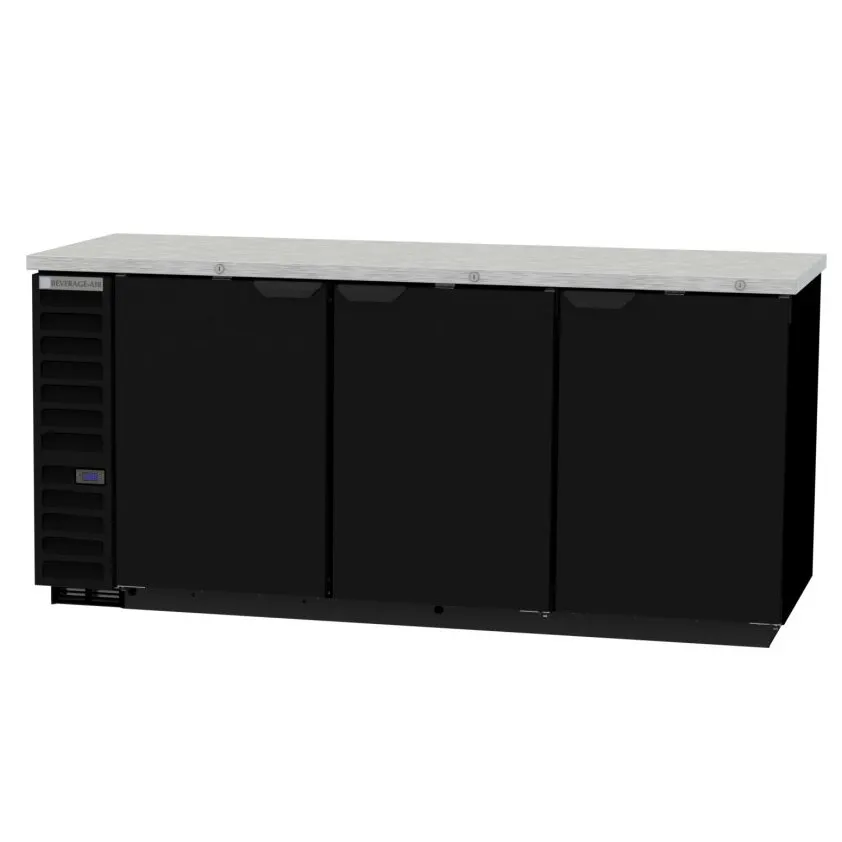
7. Best Multi-Purpose Unit: Turbo Air TBC-50SD-N6 Bottle Cooler: For a versatile, multi-purpose solution, the Turbo Air TBC-50SD-N6 Bottle Cooler offers sliding top doors, a self-cleaning condenser, and rapid cooling, making it a reliable choice for various bar setups.

Expert Tips About Undercounter Bar Refrigeration from Professionals
Expert tips about undercounter bar refrigeration from professionals can aid you in making a decision for your business. The top 7 tips are to choose the right size and layout, control temperatures correctly, prioritize accessibility and organization, invest in a quality compressor, opt for easy cleaning and maintenance, select ventilation, and consider durability and noise levels.
Choose the Right Size and Layout
Before purchasing an undercounter bar refrigerator, measure the available space behind your bar to ensure a proper fit that won’t obstruct workflow or foot traffic. Opt for a model with adjustable shelving to accommodate different bottle sizes, maximizing storage flexibility and efficiency.
Control Temperature
You should control the temperature range of the unit to make sure it suits your inventory’s needs. Also, to prevent fluctuations, avoid frequent door openings and consider a dual-zone refrigerator if you need to store different beverage types, such as beer and wine, at optimal temperatures.
Prioritize Accessibility and Organization
You should always prioritize accessibility and organization to make your staff comfortable. The most advanced unit would be completely useless if no one were able to operate or organize it. After investing in a good unit, you should employ simple organizational tips, such as storing high-demand drinks at eye level for quick access, placing frequently used ingredients within easy reach, organizing bottles and cans by category or brand, and using a first-in, first-out method.
Invest in a Quality Compressor
A forced-air cooling system ensures even temperature distribution, and investing in a quality compressor is crucial for maintaining all drinks at the ideal serving temperature. Also, look for features such as self-closing doors and improved insulation to support the compressor’s performance and minimize energy loss.
Prefer Easy Cleaning and Maintenance
Cleaning and maintenance are periodic burdens on the staff, and opting for easily cleanable units will significantly lighten the load. Select models with removable shelves for easy cleaning, and wipe down the interiors regularly to prevent mold and unpleasant odors. Also, cleaning the condenser coils monthly will enhance efficiency and extend the unit’s lifespan.
Choose Ventilation
If your bar has limited space, a front-venting model will prevent overheating by expelling heat forward, rather than requiring clearance on the sides or back. Regardless of the model, leave at least 2-3 inches of clearance around the fridge for optimal airflow.
Consider Durability and Noise Levels
Durability and noise levels are two key factors to consider. Durability defines the lifespan of the unit, while noise levels directly impact staff comfort and well-being. For long-term durability, opt for stainless steel interiors and exteriors that can withstand heavy use and wear. If your bar operates in a quieter setting, select low-noise models to minimize disturbances.
FAQs About Undercounter Bar Refrigeration
What’s the difference between a beverage center and an undercounter refrigerator?
The primary difference between a beverage center and an undercounter refrigerator is that a beverage center is designed explicitly for drinks, featuring adjustable shelves for storing bottles and cans. In contrast, an undercounter refrigerator offers more versatile storage for both food and beverages.
How much space do you need for an undercounter bar fridge?
You need, typically, between 15 and 24 inches of space for an undercounter bar fridge. The space you need will vary based on the unit’s size, capacity, the amount of space available in your kitchen, and the condenser’s placement.
What is the ideal temperature for storing beer and wine in an undercounter fridge?
The ideal temperature for storing beer and wine in an undercounter fridge is 34-38°F (1-3°C) for beer and 45-55°F (7-13°C) for wine.
How much ventilation space is required?
A clearance of 2-4 inches is required from all nearby surfaces for proper ventilation of a freestanding undercounter fridge. Federal codes require ventilation clearance, which is essential to enable a unit to perform as optimally as possible.
What is the lifespan of an undercounter bar refrigerator?
The lifespan of an undercounter bar refrigerator ranges from 8 to 15 years, depending on its build quality and the level of maintenance. You can extend its lifespan by investing in a high-quality model with a good warranty, as well as through regular cleaning and professional maintenance.
How do you fix an undercounter bar fridge that is not cooling properly?
You can fix an undercounter bar fridge that is not cooling properly by checking the thermostat settings, cleaning the condenser coils, ensuring proper ventilation, and inspecting the door seal. If all these seem well, call for professional maintenance.
How long do undercounter bar refrigerators typically last?
Undercounter bar refrigerators typically last for around 10 years with proper care and maintenance. You can extend a unit’s lifespan by conducting periodical cleanings, maintenance check-ups, and parts replacements when needed.
Can undercounter refrigerators be used outdoors?
Yes, undercounter refrigerators can be used outdoors, although they may require additional electrical adjustments for proper installation and weatherproofing to withstand the elements. However, it is better to purchase an outdoor unit initially rather than retrofit one.
Can I install an undercounter refrigerator myself?
Yes, you can install an undercounter refrigerator yourself. However, built-in models may require professional installation to ensure correct electrical setup and integration. Also, keep in mind that you cannot fill the refrigerant yourself, as it is required by law for a certified technician to do that.
Do undercounter refrigerators need special cleaning products?
No, undercounter refrigerators do not need special cleaning products. Mild soap, water, and non-abrasive, preferably food-grade, cleaning products are perfectly sufficient to disinfect and clean an undercounter refrigerator.
Can undercounter refrigerators be installed under a kitchen island?
Yes, undercounter refrigerators can be installed under a kitchen island, provided there is sufficient room for ventilation and adequate door openings. A freestanding model is your best bet for such a placement if you don’t have access to professional installation.
Are glass-door refrigerators less efficient than solid-door models?
Yes, glass-door refrigerators are less efficient than solid-door models, as they may lose more cold air and require more energy to compensate for the loss. However, the difference is not grand and can be tolerated for the display function offered by glass doors.
Can an undercounter refrigerator be used outdoors?
Yes, an undercounter refrigerator can be used outdoors if it is weatherproofed and installed professionally, which will protect the electrical lines. It is best to purchase a unit designed for outdoor use rather than retrofitting a unit to serve a purpose for which it was not intended.
Conclusion
Choosing the right undercounter bar refrigerator is essential for maximizing efficiency, maintaining optimal beverage quality, and ensuring smooth bar operations. Understanding how these units differ from full-size back bar coolers, considering key components and features, and selecting the appropriate size and model can significantly impact workflow and profitability.
Proper installation, routine maintenance, and expert-backed tips further enhance the longevity and performance of your system. By carefully assessing your bar’s needs, comparing top brands, and following professional recommendations, you can make an informed investment that supports your business’s functionality and success.

