

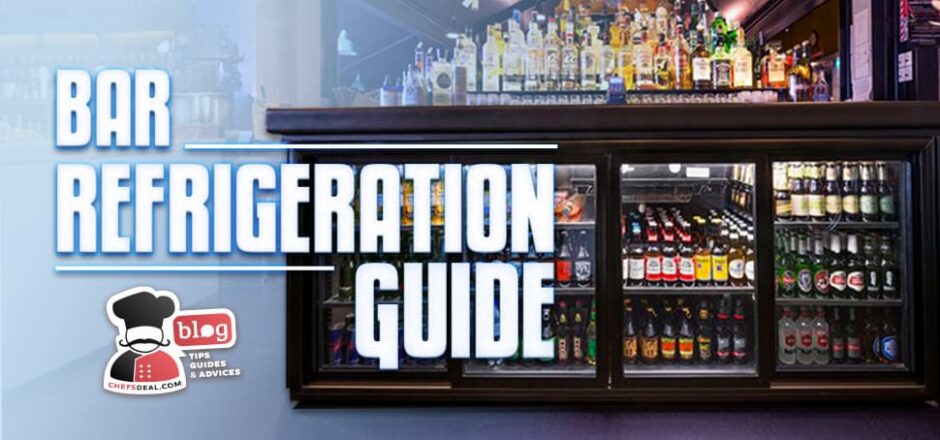
Bar refrigeration plays a critical role in the efficiency, safety, and success of any beverage-focused business. From back bar coolers and kegerators to wine fridges and glass chillers, each unit serves a specific function in keeping drinks at the ideal temperature. Understanding how these systems work, from cooling technologies to temperature zoning, helps operators create smoother workflows and enhance drink quality.
Choosing the proper setup means balancing space, energy use, capacity, and long-term maintenance. Whether you opt for built-in or freestanding models, the appropriate refrigeration supports faster service and consistent results. With careful planning, smart installation, and regular maintenance, bar owners can reduce costs, comply with health regulations, and ensure their equipment keeps pace with customer demand and business growth.
What is Essential Bar Refrigeration Equipment?
Essential bar refrigeration equipment includes undercounter refrigeration, back bar coolers, wine coolers, kegerators, bottle coolers, tap towers, glass frosters, glycol beer chillers, ice machines, and beverage coolers. Bar refrigeration keeps your valuable stocks at safe temperatures while providing easy-to-reach storage areas. Thus, they are ideal for showcasing the diversity of your beverages and drinks.
1. Undercounter Refrigeration
Undercounter refrigerators and freezers are compact units that are ideal for bars with limited space. These units typically feature heights of 35 to 42 inches (88.9 to 106.68 cm), allowing them to easily fit beneath bar counters and leaving counter space for other equipment or tasks. They offer quick access to beverages and cocktail ingredients. Undercounter fridges come with stainless steel finishes, adjustable shelves, and energy-efficient compressors, helping optimize storage and minimize energy use.

2. Back Bar Refrigerators
Back bar coolers are the essential bar refrigeration equipment that every drink-serving establishment must have. They feature an attractive black stainless steel exterior to complement the overall decoration. Additionally, they have glass doors to allow bartenders to quickly locate drinks while promoting your drinks and beverages for more profit. They come with LED lighting to maximize visibility, and adjustable shelving provides flexibility for different bottles and can sizes. Back bar coolers are available in various sizes, from 1 to 6 doors.

3. Wine Coolers
Wine coolers are special bar refrigeration equipment designed to ensure precise temperature control, a dark storage area, and proper positioning to preserve wine quality. They can have up to 4 doors to accommodate up to 832 bottles vertically or 308 bottles slanted.
Wine coolers feature black interiors, dimmable lighting, and multiple-pane glass doors with locks to retain optimal storage conditions. They are available in single-zone and dual-temperature options, allowing you to store red and white wines at ideal temperatures. Advanced models feature humidity control and vibration reduction technology, which prevents sediment agitation.

4. Kegerators
Keg coolers are commercial draft beer dispensers specifically engineered to store and dispense beer from kegs. They can have up to 12 taps for easy dispensing and various capacity options to hold up to 5 half kegs. Offering a stable temperature range between 32°F and 40°F (0°C and 4.44°C), kegerators ensure that different beer types remain fresh and carbonated.

5. Bottle Coolers
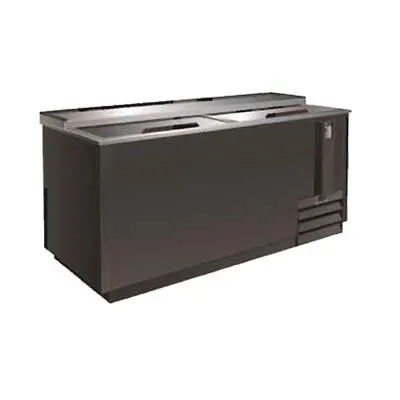
Bottle coolers are horizontal bar refrigeration units designed to keep bottled or canned beverages and drinks chilled and ready for service. They usually feature sliding lids at the top for easy access. Their heavy-duty refrigeration systems offer a wide temperature range, spanning from 28°F to 41°F (-2.22°C to 5°C), making them suitable for a variety of beverages and drinks. They provide ample storage for up to 37 cases of 12 oz. (354.88 ml) bottles.
6. Tap Towers
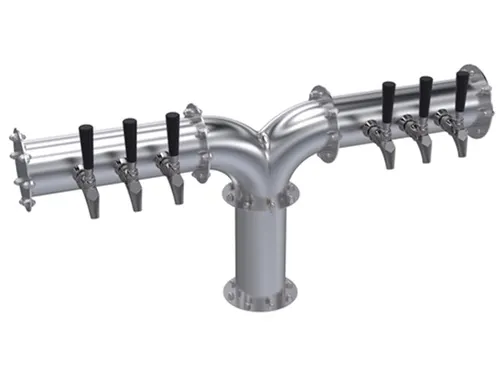
Tap towers are the complementary part of the draft beer dispensing systems. They can be mounted above kegerators, on walls, or underbar areas to serve draft beer conveniently. Tap towers can be equipped with either glycol-cooled or air-cooled systems to maintain beer at a consistent temperature as it travels from the kegs to the taps. Beer tap towers can have up to 3 columns and 40 faucets to address all capacities.
7. Glass Chillers/Frosters
Glass chillers or frosters keep plates and glasses in a chilled cabinet (0°F (-17.7°C)) until service to ensure drinks remain cold for longer. This bar refrigeration equipment is beneficial in bars offering cocktails, beer, and other chilled drinks and beverages.

8. Glycol Beer Chillers
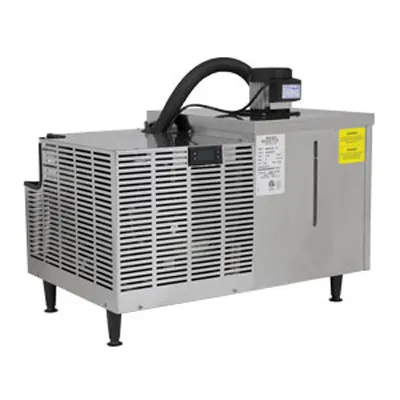
Glycol beer chillers are used to maintain the temperature of beer in draft beer systems that transfer beer over long distances. In larger bars or breweries, glycol chillers circulate cooled liquid through beer lines, ensuring that draft beer remains at a perfect serving temperature from keg to tap. Hence, if you serve a high volume of draft beer and your system has a long dispensing line from the keg to the tap, then glycol beer chillers are crucial.
9. Ice Machines
Commercial ice machines are essential for any bar, providing a consistent supply of ice for cocktails, drinks, and other beverages. Bars typically require ice makers with high daily ice production capacities and ice bins to meet peak-hour demands. Undercounter ice makers can save much space while offering up to 536 lbs (243.126 kg) of ice production per 24 hours, while larger options can produce up to 2039 lbs (924.874 kg) of ice daily.

10. Beverage Merchandisers
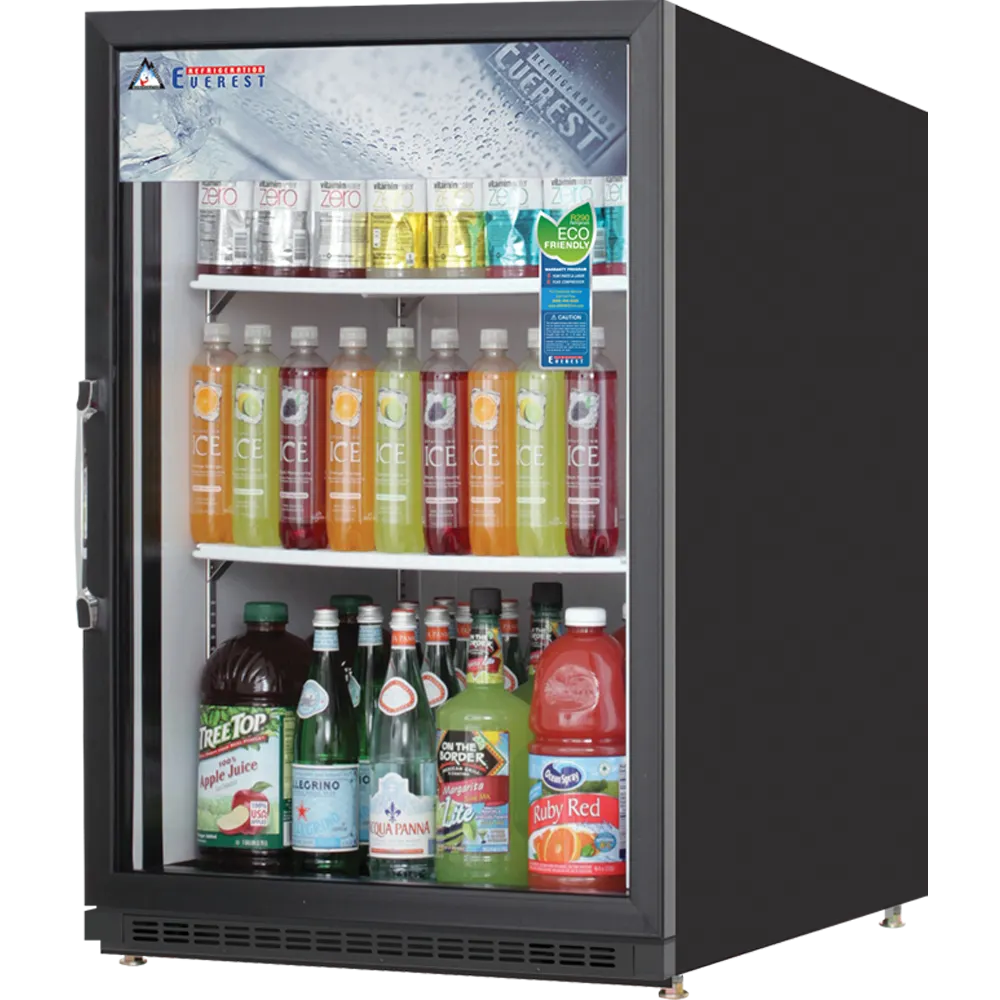
Beverage merchandisers are enticing bar refrigeration equipment that showcases bottled and canned drinks. They feature glass doors, bright LED lighting, attractive top signage, and exterior graphics. Hence, beverage merchandisers increase impulse sales by attractively presenting beverages to customers.
Bar Refrigeration Cooling Technologies
Several factors come into play when comparing compressor-based and thermoelectric cooling systems for bar refrigeration. Compressor-based systems provide superior temperature stability, making them ideal for high-traffic bars that require precise cooling under varying conditions. They tend to have higher energy consumption but perform better in larger spaces. On the other hand, thermoelectric systems are more energy-efficient and environmentally friendly, producing less noise and vibration, but they struggle to maintain stable temperatures in warmer or busier environments.
Regarding costs, compressor systems typically have a higher initial cost but may incur higher operating costs due to increased energy consumption. Thermoelectric systems are cheaper initially and more cost-efficient for smaller spaces, but may lack durability in demanding environments. Compressor systems require more maintenance but have a longer lifespan, whereas thermoelectric units are low-maintenance but less durable in commercial settings. Compressor systems generate more noise, while thermoelectric models are quieter, making them preferable for noise-sensitive environments.
Consider your bar’s volume requirements, usage patterns, and ambient temperature when selecting the right system. Compressor systems are suited for bars with significant storage needs and frequent access, while thermoelectric models work well for smaller, quieter bars. Budget constraints, space limitations, and environmental concerns are also key factors to consider when selecting the best bar refrigeration equipment.
Compressor-Based Cooling Systems
Compressor-based refrigeration is the most common system in commercial refrigeration, ranging from HVAC systems to refrigerators and freezers. These systems use chemical refrigerants, which absorb heat into a gas, emitting heat to the air and condensing into a liquid to restart the cycle. These cooling systems contain a compressor, condenser, and evaporator.
Compressor-based cooling systems offer a wide operational temperature range, spanning from -20°F (-29°C) to 120°F (49°C). The optimal ambient temperature for the compressor-based cooling systems is between 50°F and 95°F (10°C to 35°C). Compressor systems are slightly noisier and cause vibration due to the movement of their parts, particularly the compressor motor. Regular maintenance is necessary for optimal performance.
Thermoelectric Cooling Systems
Thermoelectric cooling is less common but can be found in smaller units, such as wine coolers. Thermoelectric systems use the Peltier effect, where an electric current passes through two materials to create a heat differential. One side of the thermoelectric module becomes cold, and the other becomes hot.
Thermoelectric cooling systems maintain temperatures 20-30°F (11.11–16.66°C) below ambient temperature, making them more suitable for mild cooling needs. These systems do not use chemical refrigerants and have no moving parts, making them simpler in design. Since thermoelectric systems do not use chemical refrigerants, they are considered more environmentally friendly.
Bar Refrigeration Temperature Zones
Bar refrigeration equipment offers a diverse range of units that provide separate temperature zones for various products. Therefore, you should decide which products to store in the equipment you purchase and check its operational range.
- Optimal Serving Temperatures: Drinks and beverages require different storage conditions to preserve their freshness and flavor, as well as promote healthy and proper aging if necessary. Additionally, serving temperature is also essential to ensure customer satisfaction.
- Different Beverage Requirements: Each type of beverage has a specific optimal storage temperature, and some refrigeration units offer dual-zone capabilities to accommodate different drinks in the same system. For instance, beer is typically served between 36°F and 40°F (2.22°C and 4.44°C), while wine requires different temperature levels: red wine between 55°F and 65°F (12.77°C and 18.33°C), and white wine between 45°F and 50°F (7.22 °C and 10 °C). The optimal serving temperature for spirits can vary, like rum at 40°F (4.44°C), whiskey at 60-65°F (15.55°C-18.33°C), and gin and tequila at 40-50°F (4.44°C-10°C).
- Temperature Monitoring Systems: Bar refrigeration systems feature precise temperature monitoring systems with digital thermostats, electronic temperature controls, and alarm systems to help monitor and maintain the desired temperature for beverages.
- Zone Setup and Management: To provide a versatile yet space-saving solution for bar refrigeration, many bar refrigerators, bottles, and wine coolers offer dual temperature zones that can be set to different temperature levels. Hence, bar refrigeration units can store various types of drinks in the same equipment, but in other sections with varying temperature levels.
- Impact on Beverage Quality: Bar refrigeration equipment enhances customer satisfaction by allowing you to serve drinks and beverages at the ideal temperature, thereby maximizing their taste, aroma, and overall customer experience. Bar refrigerators and wine coolers maintain accurate temperature and humidity levels to preserve the quality and flavor of their contents.
Bar Refrigeration Layout and Space Planning
Bar layout requires careful planning to maximize the use of available space while keeping bar refrigeration and other stations within easy reach of the bartender. The 6 important bar layout and space planning factors below must be considered before purchasing bar refrigeration equipment:
- Equipment Placement Optimization: Bar refrigeration units in your drink preparation and service section must be organized to utilize the available space efficiently. Proper equipment placement enables bartenders to organize utensils, ingredients, and tools, thereby reducing their workload. Back bar coolers should be placed in a visible location to promote products. Position undercounter refrigerators efficiently to facilitate easy access and accelerate cocktail and snack preparation.
- Workflow Considerations: Bar refrigeration layout should facilitate fast and efficient service. Place bar refrigeration units in areas that reduce unnecessary movement and enhance preparation speed.
- Ventilation Requirements: All refrigeration units require adequate ventilation to prevent overheating and to ensure enough air intake. Installing units with proper airflow and avoiding blocked vents prolongs the equipment’s life, reduces energy consumption, and maximizes its performance.
- Access and Maintenance Space: Bar coolers, kegerators, and freezers must be positioned to allow easy access to the interior and vital components. Prefer sliding doors if your space is limited. Select a suitable compressor type, such as a built-in or remote compressor, or consider the right options, or left-mounted if you need to place another piece of equipment next to the cooler. Leave sufficient space to allow technicians to reach parts for maintenance and repair.
- Traffic Flow Optimization: Bar refrigeration equipment must be organized to facilitate a simplified service flow. Products in high demand must be stored in the units that your bartender can reach in a few steps. The most needed ingredients and ice should be kept inside the undercounter coolers located in front of the bartender. Position beverage refrigerators away from high-traffic areas to avoid congestion during busy hours.
- Storage Capacity Planning: Storage capacity is crucial to ensure you have sufficient space for your stock. Plan the capacity of your refrigeration system based on the daily volume of drinks sold. Underestimating storage capacity results in delays and lost sales, while ordering too many units causes redundant initial costs and higher energy consumption than necessary.
Energy Efficiency in Commercial Bar Refrigeration Systems
Since bar refrigeration equipment must run constantly, it is advisable to opt for energy-efficient units to minimize your expenses.
- Energy-Saving Technologies: Many bar refrigeration units feature energy-efficient designs and technologies to reduce energy consumption. For instance, some units have self-cleaning condensers to prevent damage and ensure optimal performance. They feature a forced air cooling system, which enhances cooling performance. Bar refrigerators and freezers are also constructed with high-density polyurethane insulation to minimize energy losses. Additionally, the auto defrost cycle maintains seamless cooling and freezing for bars and restaurants.
- ENERGY STAR Ratings: ENERGY STAR-rated refrigeration units mark the models that are tested to meet strict energy efficiency guidelines. These units significantly reduce electricity costs in commercial settings.
- Cost Reduction Strategies: The first strategy to reduce refrigeration costs is to choose Energy-Star-rated coolers and freezers. Following the installation directions and conducting regular cleaning and routine maintenance also prevents inefficiency caused by improper installation, dirty coils, worn-out gaskets, or malfunctioning parts. Avoiding overstocking and installing the units away from heat sources also helps reduce energy bills.
- Environmental Impact: Energy-efficient refrigeration units help reduce carbon footprints, making them essential for bars committed to sustainability. Moreover, most units utilize natural refrigerants, such as R-290, to minimize their environmental impact and contribute to sustainability.
Built-In vs. Freestanding Bar Refrigeration Systems in Bars
Built-in bar refrigeration systems are designed to fit seamlessly under counters or within cabinetry, offering a clean, integrated look. They typically feature front-venting systems, allowing them to operate efficiently in tight spaces. These are ideal for bars with fixed layouts and limited space.
Freestanding bar refrigeration systems offer more flexibility in placement. They vent from the back or sides and require adequate clearance for airflow, making them better suited for use in open spaces or at the back of the house. They’re great for bars needing easy access, mobility, or future layout changes.
Choosing between the two depends on your bar’s layout, space constraints, and long-term service needs.
Bar Refrigeration Installation Requirements and Guidelines
- Electrical Specifications: Before purchasing your bar refrigeration unit, ensure that the electrical system in your bar is compatible with your equipment’s voltage and connection requirements. Improper wiring can lead to breakdowns and pose safety hazards.
- Ventilation Systems: Adequate ventilation and air intake are necessary for the efficient performance of bar refrigeration appliances. Hence, ensure that you have sufficient space to allow proper airflow around the condenser and compressor.
- Plumbing Needs: Some units, such as ice machines and kegerators, require plumbing connections for water lines and drainage systems. Therefore, prepare the necessary plumbing outputs and drainage systems for the unit beforehand.
- Space Requirements: In addition to the footprint of the cooler or freezer, calculate the spacing requirements for air intake and maintenance to ensure that your bar has sufficient space to accommodate refrigeration units, with adequate room for airflow and maintenance access.
- Safety Considerations: Electrical safety and compliance with local regulations are crucial for the installation of refrigeration systems. Therefore, it is essential to review the regional rules and follow the manufacturer’s installation guidelines for optimal performance, secure operation, and maximum service life.
- Professional vs. DIY Installation: Most bar refrigeration units are pre-wired and ready to use upon connection to a suitable outlet. However, ice makers, kegerators, and remote refrigeration equipment are recommended to be installed by professionals to ensure the system is appropriately installed and compliant with regulations.
Temperature Control Systems for Bar Refrigeration Units
- Digital Controllers: Bar refrigeration systems are equipped with digital controllers that enable precise temperature and humidity settings. They are equipped with digital displays that allow for easy monitoring of both set and actual temperature levels.
- Monitoring Technologies: Advanced monitoring systems enable bar owners and restaurateurs to track the refrigeration unit’s temperature in real-time through Wi-Fi-ready systems. Monitor the interior temperature and check the fluctuations that can spoil the products stored inside the cabinet.
- Alarm Systems: Back bar coolers, bottle fridges, and kegerators have alarm systems to notify the operator of temperature fluctuations and open doors to prevent spoilage. Most bar refrigeration units have door locks to prevent unauthorized access.
- Remote Monitoring: Remote monitoring technologies enable bar owners to keep track of their refrigeration units through mobile apps or online platforms. Thus, you can constantly monitor the conditions in beer, wine, or spirit refrigerators to ensure optimal aging and service temperatures.
- Backup Systems: Backup systems ensure continuous operation in case of a power failure or malfunction. Therefore, you should consider implementing a precautionary backup system to power your bar refrigeration equipment to maintain chilled cabinets.
- Temperature Logging: Many units now come with automatic temperature logging, which is helpful for health inspections and compliance with food safety standards.
Bar Refrigeration Maintenance and Care: Best Practices
To maximize the service life of your bar refrigeration equipment and minimize downtime, you can adopt a cleaning and maintenance routine that includes:
- Regular Maintenance Schedules: Regular maintenance is vital to control the components and parts, such as the evaporator, condenser, and gaskets, to detect malfunctions before they cause costly breakdowns. Therefore, create regular maintenance schedules to inspect and replace worn-out parts.
- Cleaning Procedures: Bar refrigeration equipment must be regularly cleaned to ensure a shiny appearance and prevent dust and debris from accumulating on components. It is essential to clean the condenser coils, evaporator fans, and interior components regularly to avoid overheating and to maintain high performance and energy efficiency.
- Preventive Maintenance: Preventive maintenance involves identifying minor issues before they escalate into significant problems that necessitate expensive repairs and prolonged downtime. Therefore, apply preventive maintenance to inspect refrigerant levels, system performance, gasket elasticity, and other relevant components.
- Common Issues: If you are not a refrigeration system technician, it will not be possible for you to repair all issues. However, you can identify minor problems that can become expensive if not addressed. Be on the lookout for temperature fluctuations, which are often caused by issues with the thermostat and cooling system. Icing in the refrigeration section is a standard indicator of defrost system disorders, and it is recommended that you consult a professional to address the issue. When you have difficulty closing the equipment door or see tearing, the gaskets must be replaced.
- Professional Servicing: Although in-house handling is sufficient for basic checks and cleaning, hiring a professional service is recommended for issues such as compressor malfunctions or refrigerant leaks to prevent further damage to the unit. Contracting an experienced technician for regular maintenance helps you retain a smoothly running refrigeration system in your establishment.
- Emergency Procedures: Even with proper maintenance, breakdowns of bar refrigeration equipment can still occur. Therefore, it is essential to have an emergency plan, including backup cooling systems or extra storage, to relocate perishables and prevent spoilage.
Health and Safety Compliance in Bar Refrigeration
- Food Safety Regulations: Bars must comply with food safety regulations, which include maintaining beverages at appropriate temperatures to prevent spoilage and contamination. Verify the temperature range of the cooler or freezer to ensure it meets the rules. Some bar refrigeration equipment, such as keg coolers, is in direct contact with beverages and drinks and requires NSF certification to provide a healthy drink service.
- Temperature Logging Requirements: Many health departments require bars and restaurants to log refrigeration temperatures daily, particularly for perishable items such as garnishes, juices, and mixers. Hence, purchasing a bar cooler or beverage fridge with automated HACCP systems can simplify this process and facilitate reporting.
- Health Department Standards: All refrigeration units must comply with local health department standards, which often include guidelines for cleanliness, temperature control, and maintenance schedules. Thus, you should first ensure that your bar refrigeration equipment complies with the standards and maintain regular cleaning to guarantee cleanliness standards.
- Insurance Considerations: Proper maintenance and temperature monitoring of bar refrigeration units can help reduce the risk of spoilage, which may also affect insurance premiums for stock losses.
- Staff Training Requirements: To maximize the benefits of your bar refrigeration equipment, your staff must receive adequate training and be able to properly operate and utilize the features of refrigeration units. They need to understand temperature settings, efficient storage practices, safety features, and cleaning routines.
- Safety Protocols: Ensure your refrigeration units comply with electrical safety protocols to prevent potential fire hazards and ensure the safety of staff and customers.
Bar Refrigeration Costs: Investment and Operating Expenses
- Cost Considerations: The initial investment in bar refrigeration can vary widely depending on the type, size, brand, and features of the equipment. The prices of back bar coolers, kegerators, bottle coolers, glycol cooling systems, and ice makers vary greatly, ranging from several hundred dollars to tens of thousands of dollars. Hence, you should make a careful decision that will meet both your expectations and budget requirements.
- Initial Investment Analysis: An initial investment analysis of bar refrigeration helps you determine whether your budget allows you to purchase all necessary equipment at once or whether you should prioritize a gradual purchasing process.
- Operating Costs: The primary operating cost of bar refrigeration is electricity consumption. Energy-efficient models reduce electricity bills, and regular servicing helps prevent costly repairs. Enhanced insulation, multiple-pane glass doors, and auto-cleaning units can increase energy efficiency and should be considered when purchasing.
- Maintenance Expenses: Regular maintenance is a key factor in reducing the total cost of ownership. Thus, it is a significant factor to be considered. Maintenance expenses include cleaning, servicing, and potential repairs. Establishing a maintenance contract with professionals may save money in the long run and protect you from expensive breakdowns.
- Energy Consumption: Energy consumption depends on the unit’s efficiency, the amount of use, and the level of equipment maintenance. Therefore, it is recommended to look for ENERGY STAR-rated models to minimize power consumption and perform regular maintenance for optimal performance.
- ROI Calculations: Calculate the return on investment (ROI) if choosing a unit among many options is complex. ROI can be calculated by weighing the initial cost against savings from energy efficiency, reduced maintenance, and unit longevity.
- Financing Options: However, when your budget is limited, and you need all the equipment, you can benefit from long-term payment systems like Chef’s Deal’s financing, which allows you to invest in bar refrigeration units at the beginning and spread the payments to pay as you earn.
How to Choose the Right Bar Refrigeration System
The right choice depends on your assessment of your bar’s refrigeration needs, calculating the price and size, evaluating features, comparing brands and models, considering budget and investment options, and planning for future business growth.
Selecting the right bar refrigeration system is crucial for maintaining drink quality, streamlining service, and supporting daily operations.
Assess Your Bar’s Specific Refrigeration Needs and Requirements
The first step in choosing the right bar refrigeration system is to evaluate the specific needs of your bar. You can assess the storage and service volume of bottled beverages, beer kegs, or wine to detect the needed capacity. Furthermore, you should decide whether you will use this unit behind the scenes or place it inside your bar.
Calculate Precise Size Requirements for Your Bar Space
Measure your available space to determine how much space you have for the refrigeration units. Consider both current needs and potential future growth to develop an efficient and sufficient bar layout.
Evaluate Essential Features for Your Bar Refrigeration System
Features such as adjustable shelving, digital temperature control, energy-saving modes, and dual-zone functionality can significantly enhance the usability of your bar refrigeration system. The noise level hurts the taste of food and drink, and decreases customer satisfaction, as explained in the article “Noise and its impact on the perception of food and drink” by Charles Spence.
Compare Top Bar Refrigeration Brands and Models
Manufacturers differ significantly in terms of price, features, and appearance. Research the best-performing bar refrigeration brands and models. You can focus on brands known for durability, energy efficiency, and reliability, such as True, Beverage-Air, and Perlick. Compare their warranties, check customer reviews, and service options.
Consider Your Bar Refrigeration Budget and Investment Options
Set a budget that includes both the initial purchase cost and ongoing expenses. Explore financing, leasing, and extended warranty options to manage costs.
Plan for Future Bar Growth and Refrigeration Expansion
When selecting a refrigeration system, consider future growth needs. Opt for a modular or scalable system that allows you to add new units as your bar expands.
Conclusion
Bar refrigeration is a critical component of any successful bar or restaurant, ensuring both the quality of beverages and an efficient, enjoyable customer experience. Proper refrigeration maintains optimal drink temperatures, preserves freshness, and enhances the overall presentation of the beverage selection. This not only satisfies customers but also contributes to the bar’s profitability.
The types of refrigeration equipment used in a bar vary depending on the establishment’s specific needs and offerings. Essential equipment often includes back bar coolers, undercounter refrigerators, kegerators, wine coolers, bottle coolers, and ice machines. Each piece of equipment serves a unique purpose, from storing and displaying bottles to chilling draft beer and maintaining precise wine temperatures. The efficient organization and selection of refrigeration equipment directly impact the bar’s workflow, service speed, and overall operational efficiency.
In addition to functionality, the design and aesthetics of bar refrigeration equipment are important considerations. Attractive and well-maintained equipment can enhance the overall ambiance of the bar and contribute to a positive customer impression. Regular maintenance and energy-efficient practices are crucial to ensure the longevity and cost-effectiveness of the refrigeration system. By investing in the right equipment and implementing proper maintenance procedures, bar owners can optimize beverage quality, streamline operations, and create a more enjoyable experience for their patrons.

