

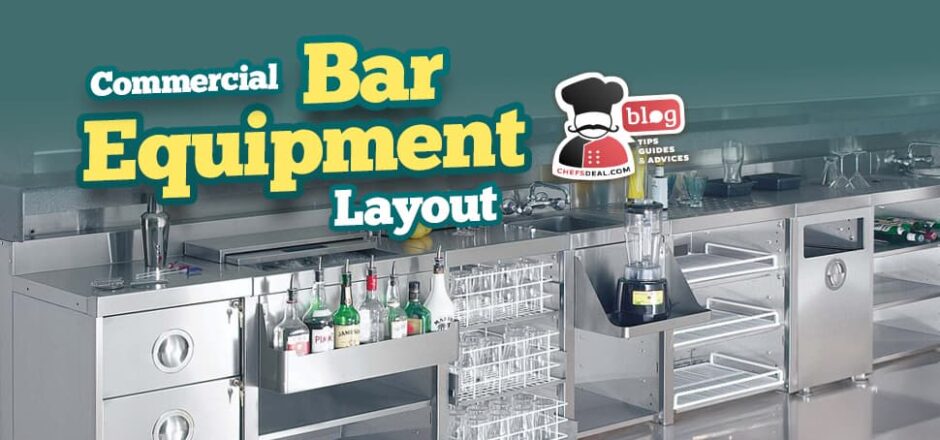
Commercial bar equipment layout functions as the backbone of any successful bar operation. It involves utilizing every square foot of your bar setup to serve a specific purpose, contributing to an optimal workflow. Bars are bustling places teeming with people looking for refreshing and pacifying options to quench their thirst. The slightest delays in meeting their demands result in unaffordable consequences. Properly outfitted bars prevent such issues and manage even the busiest hours while maintaining a quality experience for bar regulars. Each element, from refrigeration to cocktail stations, needs strategic placement to create a vibrant and engaging atmosphere.
A well-planned commercial bar equipment layout requires specific strategies when installing each piece of equipment. For instance, ice machines, cocktail stations, prep areas, and sinks positioned in a linear, circular, or triangular manner within bartenders’ easy reach speed up service. Keeping all the stations out of the main traffic flow yet accessible to staff prevents crowding during peak hours. A practical layout reduces clutter, improves workflow, and minimizes movement. The key principle is optimizing workflow through an ergonomic design. This optimization boosts profitability and upgrades health, safety, and efficiency standards.
What are Essential Bar Equipment and Placement Strategies?
Essential bar equipment and placement strategies focus on maximizing space use, accessibility, and comfort within the bar area. This involves strategically positioning refrigeration equipment, workstations, ice machines, cocktail stations, storage units, point-of-sale (POS) systems, and other essential bar items to optimize efficiency and functionality. Each category has unique considerations for ideal placement, which directly affect service speed, ease of access, and operational flow.
1. Bar Refrigeration Units
Bar refrigeration units ensure beverages and perishable ingredients remain at optimal temperatures. Each piece of refrigeration equipment serves a distinct function. Undercounter refrigerators typically keep garnishes and mixers within easy reach, while back bar coolers hold bottled beverages ready for quick access. Their proper placement is key to speedy service. They must be close enough to bartenders for fast drink preparation and service without limiting the bartender’s movements. People love watching mixologist perform their art while crafting sophisticated cocktails.
There is no use making the bar area a bottleneck for the bartender. Imagine your mixologist rushing back and forth between the bottle cooler on one end of the bar area and the cocktail station on the other. Therefore, the primary consideration is workflow efficiency. Other core factors include ventilation, energy efficiency, temperature control, and regulatory compliance.
For example, leaving room for sufficient airflow prevents compressor strain and maintains consistent temperatures between 32°F (0°C) and 40°F (4.44°C), ideal for most beverages. Additionally, compliance with health regulations requires enough spacing for easy access during maintenance and inspections.
Equipment Needed and Placement Strategies
- Place undercounter refrigerators directly beneath the bar counter. This location enables bartenders to access drink garnishes and mixers quickly, reduces congestion within the bar area, and facilitates a seamless workflow.
- Position keg coolers near draft beer taps or dispensing areas to serve beer consistently at its ideal temperature and with minimal foam. This setup is best with an undercounter keg cooler connected to a drop-in dispense system.
- Locate back bar coolers within arm’s reach of the serving counter for bartenders to quickly access bottled and canned beverages. A model featuring a self-closing glass door and an LED-lit interior enables the bartender to quickly retrieve the desired beverage while continuing to serve.
- Install wine coolers in a visible and accessible area for easy wine selection and attractive presentation. This layout refines the bar’s ambiance.
- Place glass chillers right next to the serving area beneath the bar counter. Imagine the allure and elegance of quickly serving a refreshing cocktail in a frosted glass that sparkles with condensation.

2. Bar Counter and Workstations
The bar counter and workstations serve as the hub of commercial bar operations. Effective placement of the bar counter maximizes customer interaction and bartender comfort during drink preparation. The ideal counter and workstation configuration is spacious but compact, offering enough room for mixologists to move freely without overcrowding. The central location of the bar counter is typical. It leaves adequate space for guests and staff. Workstations for mixing drinks, prepping garnishes, and other tasks surround the counter to create a fluid workflow.
A well-designed counter area encourages bartenders to focus on customer engagement and the quality of their service, including the quality of the drinks they serve. Consider the tasks that bartenders perform most frequently when placing workstations. Ergonomically designed workstations optimize bartenders’ access to essential tools, reducing the need for excessive bending, reaching, or rushing. Use the following bar counter and workstation layout ideas as a starting point.
Equipment Needed and Placement Strategies
- Design a mixing area close to the service point so bartenders can create cocktails without straying too far from the customers. This accelerates service, but more importantly, you keep customers engaged.
- Arrange multi-level bar counters, with one level dedicated to prep and another to serving, to seamlessly transition from preparation to presentation. This ergonomics improves workflow and customer interaction.
- Mount undercounter cabinets and pull-out drawers to refine space use and keep critical items within quick reach.
- Combine drink preparation stations with glassware and garnish stations to allow bartenders to streamline the process while maintaining interaction with guests.
- Create this setup in multiple locations along a long bar counter, allowing several mixologists to work independently without blocking one another.
- Place tools like shakers, spoons, strainers, and glasses within easy reach across the counter to boost bartender productivity.
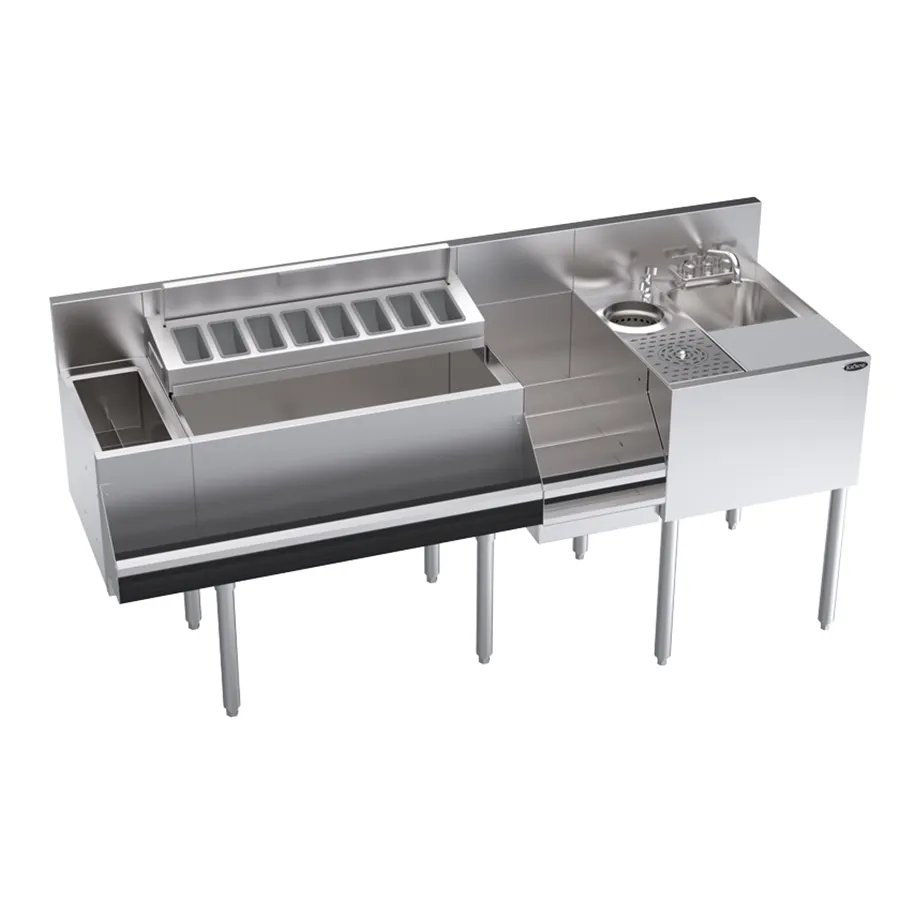
3. Glassware and Utensil Storage
The strategic placement of glassware and utensil storage helps maintain a fast and efficient workflow in a commercial bar setting. Proper storage ensures that bartenders quickly access the necessary tools and glasses without interrupting service. Bars minimize delays and reduce the risk of breakage while keeping workstations organized by positioning glassware and utensils within easy reach. Efficient storage also contributes to a visually appealing, clutter-free bar that reflects positively on the bar’s professionalism.
Locating storage units strategically enhances staff productivity and service efficiency. For instance, placing glass racks above the counter or near service areas allows bartenders to quickly grab glassware without having to turn away from customers. Likewise, having bar utensils in designated drawers near the prep area reduces the time spent searching for tools. This layout minimizes unnecessary movement, keeping the workflow smooth so that bartenders can serve customers more quickly and efficiently.
Equipment Needed and Placement Strategies
- Wall-mounted glass racks above the counter near the service area provide easy access to essential glassware, such as wine and cocktail glasses, ensuring swift retrieval.
- Hanging bar glass racks offer an elegant way to store your drinkware, optimizing vertical space and keeping glassware visible and accessible.
- Under-counter shelving units keep less frequently used glassware nearby without cluttering the main workspace.
- Adjustable glass racks located near the main workstation can accommodate various glass types and facilitate easy switching based on service needs.
- Drawer inserts for utensils within the bar’s prep area ensure quick access to commonly used utensils, such as shakers, strainers, and spoons.
- Countertop containers hold frequently used tools, such as bar spoons and cocktail picks, in an organized and accessible way.
- Undercounter cabinets are ideal for storing larger or less frequently used equipment. Placing them under the counter keeps the bar area uncluttered and accessible when needed.

4. Ice Machines, Storage, and Distribution
Ice machines, storage units, and distribution systems are crucial for efficiently delivering cold beverages and maintaining high service standards. Accessing ice effortlessly is critical for bartenders to maintain drink quality and prevent disruptions during peak hours.
Placing ice machines and bins near service areas can minimize the time bartenders spend away from customers, thereby enhancing the overall customer experience. Practical ice storage also prevents ice from melting too quickly, thereby preserving ice quality and reducing the need for frequent refills.
Ice is a priceless asset in the beverage business. It is meaningful only when needed and to the extent necessary. An inconsistent ice supply inevitably leads to unhappy customers. Too much ice causes extra hassle for employees, as they have to deal with the melted ice.
You need a thoroughly thought-out plan that combines ice production, storage, and distribution. This commercial bar equipment layout must include plumbing and drainage setup in your facility, allowing staff to quickly replenish ice supplies. Properly located ice machines, bins, and dispensers help reduce bottlenecks and ensure service flows smoothly.
Equipment Needed and Placement Strategies
- Install modular ice machines in a central area near the bar’s main workstation to provide a continuous supply of ice while staying out of the way of high-traffic zones.
- Place insulated ice bins adjacent to the bar counter to allow bartenders to quickly scoop ice.
- Put countertop ice dispensers near the drink prep stations that serve ice-cold beverages so bartenders can access ice within arm’s reach.
- Locate undercounter ice bins under the main bar counter, allowing bartenders to access additional ice without leaving their stations.
- Mount a secondary ice machine in a back-of-house location to ensure a backup supply during periods of high demand or when the main machine requires maintenance.

5. Cocktail Stations
Cocktail stations in a commercial bar equipment layout enhance service speed and drink quality. A dedicated cocktail station provides bartenders with easy access to essential tools, ingredients, and mixers. Crafting cocktails with minimal movement and delay leads to uninterrupted bartender-customer interaction. Therefore, placing cocktail stations near the main bar counter creates a seamless workflow, enabling mixologists to prepare and serve drinks promptly during peak times.
Cocktail stations equipped with built-in storage for commonly used spirits, mixers, and garnishes enhance efficiency by reducing the time spent searching. Strategic organization, such as using a speed rack for spirits and condiment holders for garnishes, enables bartenders to quickly access the items they need. Positioning these stations at opposite ends of a long bar further minimizes congestion and lets bartenders prepare multiple orders simultaneously without interfering with each other’s work.
Equipment Needed and Placement Strategies
- Install a speed rack for spirits directly within the station, ideally positioned below the countertop level, to allow bartenders to quickly access the most commonly used liquors without turning away from the mixing area.
- Place condiment and garnish holders on the countertop within arm’s reach to keep garnishes, such as lemons, limes, and olives, readily accessible, and maintain a clean and organized cocktail station.
- Position built-in ice wells directly into the cocktail station for bartenders to scoop ice without stepping away.
- Place a utensil rack (for shakers, strainers, bar spoons, and jiggers) near the back edge of the station, where they are visible but do not interfere with the primary mixing area.
- Mount bottle shelves on the walls above or just behind the cocktail station for less frequently used ingredients.
- Utilize modular storage drawers or compartments built into the cocktail station to store items such as napkins, straws, and other small supplies.

6. Liquor Display and Storage
Liquor display and storage setup upgrades efficiency and ambiance in commercial bar equipment layout. A thoughtfully arranged liquor display showcases the bar’s offerings, helping bartenders quickly locate bottles and serve drinks. Visible, attractive displays also serve as focal points, drawing attention to the range of spirits available and creating a premium bar atmosphere. Use these displays for high-demand items and closed storage units for less popular products to maintain a tidy and organized workspace.
Storing frequently used bottles near the mixing area and premium or specialty bottles on higher or more central display shelves enhances workflow. Tiered shelving and backlit displays are popular for eye-catching arrangements, while closed storage units for overflow bottles add to the bar’s clean and professional look. This dual approach optimizes efficiency and improves visual appeal.
Equipment Needed and Placement Strategies
- Place tiered back bar shelves directly behind the bar so bartenders can quickly locate and access bottles, and so customers can see the variety of spirits in the bar.
- Install backlighting on display shelves to highlight popular or premium bottles, creating a warm, inviting ambiance that enhances the bar’s visual appeal.
- Position a speed rail along the bar counter within arm’s reach of bartenders for frequently used liquors.
- Place a lockable cabinet or display case on the back wall for high-value or rare spirits.
- Keep less frequently used bottles in closed storage cabinets near the back of the bar to prevent clutter in the main bar area.
- Mount bottle racks or display units on side walls, especially in narrow spaces or long bars, to add additional bottle displays without crowding the back bar.

7. Sinks and Dishwashing Stations
Well-placed sinks and dishwashing stations help maintain high standards of cleanliness and operational efficiency in a commercial bar equipment layout. Quick access to sinks enables staff to rinse glassware and wash their hands frequently, which is essential for maintaining hygiene and adhering to health code compliance. Positioning sinks near the bar counter but outside the primary service area streamlines cleaning without disrupting the service flow. Remember that the primary consideration is to keep mixologists as close to the serving area as possible, promoting uninterrupted customer communication.
Spare a dedicated area for a dishwashing station equipped with commercial dishwashers and multi-compartment bar sinks to ensure glassware and utensils are consistently clean and ready for use. Regular maintenance of these stations is crucial to keep them fully functional. Organized sink and dishwashing areas elevate the sanitation standards and professional appearance of your commercial bar equipment layout.
Equipment Needed and Placement Strategies
- Place handwashing sinks near bartending stations to ensure quick and easy access during service, promoting strict adherence to health and hygiene standards.
- Install a 3-compartment sink near the dishwashing station, positioned toward the back or side of the bar, for manual washing, rinsing, and sanitizing glassware.
- Locate a commercial dishwasher near the dishwashing station, specifically in the area where glassware is stored, to facilitate quick turnover.
- Mount a dump sink along the bar counter near the primary workstations for bartenders to quickly dispose of leftover drinks and ice.
- Install an under-bar glass rinser on or near the bar counter, allowing bartenders to quickly rinse glassware before serving fresh drinks.
- Place a utility sink near storage, typically at the back of the bar, for cleaning supplies. This allows staff to fill buckets or wash large items as needed without disturbing the primary service area.

8. Prep Stations For Garnishes And Mixers
Well-organized prep stations for garnishes and mixers in a commercial bar equipment layout streamline the drink-making process by enabling bartenders to quickly access fresh ingredients. Positioning these stations near cocktail preparation areas minimizes movement and ensures a continuous flow of ingredients, thereby enhancing efficiency. These prep stations should include containers for fresh garnishes, refrigerated storage for perishables, and mixers to maintain the quality and freshness of ingredients.
Strategically located garnish and mixer prep areas enable bartenders to avoid making frequent trips to the kitchen, thereby enhancing efficiency. Every step a mixologist takes slows down service, which causes serious issues when foot traffic increases. Setting up these garnish and mixer prep stations with the right equipment, such as cutting boards, garnish trays, and refrigerated drawers, in optimal locations improves the overall speed and service quality.
Equipment Needed and Placement Strategies
- Place garnish trays on the countertop near the cocktail station, filled with frequently used garnishes like lemon and lime slices, olives, cherries, and herbs.
- Install refrigerated drawers beneath the prep station to store perishable garnishes and mixers, thereby reducing the need for trips to the kitchen.
- Use containers on the countertop for commonly used mixers, such as syrups, bitters, and juices, to keep everything organized and ready for use without cluttering the prep area.
- Have several cutting boards near the garnish trays to allow for quick slicing of citrus and other garnishes as needed.
- Include a utensil holder for knives, peelers, and other tools at the prep station.
- Position a perforated mat beneath the garnish trays to collect any spills or juice drips.

9. POS Systems (Point Of Sale)
A strategically placed POS system enables bartenders to efficiently manage orders, process payments, and track sales. Install your POS system near the bar counter and main service areas to avoid workflow interruptions and reduce customer wait times. Busy bars or those with a larger commercial bar equipment layout can benefit from multiple POS stations to prevent bottlenecks. A well-integrated POS system includes a mobile option that allows orders to be taken and transactions to be handled directly from the customer’s location.
Equipment Needed and Placement Strategies
- Install the main POS terminal near the bar counter but just outside the main bartending area to allow easy access while keeping the workspace uncluttered.
- Place additional POS terminals at strategic points along the bar to prevent congestion during busy hours.
- Equip staff with mobile point-of-sale (POS) devices or tablets to reduce crowding at the bar and enable flexible service.
- Position the receipt printer close to the primary POS terminal, ideally on a side counter.
- Card Reader or Payment Terminal: Attach a card reader directly to the POS terminal or use wireless models positioned within easy reach.
10. Multiple Service Stations
Setting up multiple service stations in a commercial bar equipment layout significantly improves operational efficiency. Bartenders can serve customers quickly and effectively, even during peak times. Service stations strategically placed throughout the bar enhance staff access to essential tools and supplies, eliminating the need for them to return to a central location. These stations optimize service delivery and reduce wait times when aligned with customer flow patterns and furnished with essential tools. Such a commercial bar equipment layout additionally promotes specialization. Each bartender stays in their designated zone.
Equipment Needed and Placement Strategies
- Install ice wells at each service station so bartenders can access ice without crossing into other stations.
- Place speed rails with frequently used liquors at each station, positioned just below the countertop.
- Position garnish trays at each service station, stocked with popular garnishes like lemon and lime wedges, olives, and herbs.
- Include a small hand-washing sink near each service station to promote frequent hand washing.
- Equip each station with a dedicated POS terminal or provide bartenders with mobile POS devices to minimize congestion and ensure prompt transactions.
- Install a dump sink at each station to allow bartenders to quickly discard leftover drinks and ice.
11. Cleaning Stations
Cleaning stations are vital for a sanitary, organized, and inviting environment. Their ideal place in a functional commercial bar equipment layout is near high-traffic areas or at the ends of the bar. Bartenders can thus access cleaning tools to address messes, manage spills, sanitize surfaces, and maintain cleanliness quickly without disrupting bar service. Consider outfitting these stations with commercial-grade cleaning tools, sanitizing solutions, and waste disposal options to support fast and effective cleaning throughout the shift.
Equipment Needed and Placement Strategies
- Place dispensers with commercial-grade sanitizing solutions at each cleaning station for bartenders to quickly disinfect surfaces and tools.
- Store multiple microfiber cloths or cleaning towels within easy reach at each station, allowing bartenders to immediately wipe down surfaces.
- Place waste bins near each cleaning station, slightly away from prep areas, to allow for quick disposal of used towels and other waste.
- Equip each cleaning station with spray bottles filled with disinfectant for spot-cleaning surfaces and equipment.
- Position glass drying racks at each cleaning station to facilitate the air drying of glassware.
- Include hand sanitizer at each cleaning station to encourage frequent hand sanitation among staff and prevent cross-contamination.
- Keep a mop and spill kit near the cleaning station at the back of the bar to let staff access them without interrupting service.
Tips For Effective Placement
Tips for the practical placement of bar equipment prove crucial in establishing a functional and efficient commercial bar equipment layout. Following these 4 tips ensures a smoother workflow and a more productive environment. Essential tips for effective placement include:
- Minimizing movement
- Maintaining clear sightlines
- Optimizing workflow with stations
- Ensuring accessibility for restocking
Minimize Movement
Minimizing movement is key to enhancing the efficiency of your commercial bar equipment layout. Bartenders thus focus on serving customers rather than making unnecessary trips across the workspace. High-use equipment, such as ice machines, glassware storage, and cocktail stations, placed near the main service area, limits the distance bartenders travel.
For instance, positioning an ice bin directly under the counter at a cocktail station or keeping glassware and garnishes within arm’s reach saves valuable time and energy. This strategic setup accelerates service, enhances customer satisfaction, and mitigates staff fatigue, resulting in a more streamlined and efficient workflow.
Maintain Clear Sightlines
Maintaining clear sightlines within a commercial bar equipment layout boosts communication and workflow. A well-organized space enables bartenders to maintain clear eye contact with customers and each other, fostering more engaging interactions.
For example, placing POS systems, liquor displays, and glass storage units at or below counter height makes them visible yet unobtrusive. This clarity fosters misunderstanding-free direct communication between staff and patrons and improves service speed. Bartenders need this to customize beverages, and customers need it to accompany their drinks with genuine chats.
Optimize Workflow With Stations
Optimizing workflow with stations in a commercial bar equipment layout involves dividing the bar into distinct zones, such as a cocktail station, a beer station, and a cleaning station. Designing dedicated stations for various tasks streamlines operations and boosts service speed. Plan a central location for the mixologist, with essential equipment in close vicinity.
For instance, positioning glassware near the sink or setting up ice bins near cocktail mixers helps speed up drink preparation and prevents crowding at other stations. A station-based layout enhances productivity, maintains order, and contributes to a fast-paced bar environment.
Ensure Accessibility For Restocking
Ensuring accessibility for restocking relates to organizing the storage areas in a commercial bar equipment layout. A complementary organization supports smoother operations and minimizes downtime. Placing frequently used supplies, such as bottles, glassware, and mixers, within easy reach of staff speeds up restocking and reduces unnecessary movement.
Organizing storage areas near the bar stations with clear pathways allows bartenders to quickly retrieve and restock items without disrupting service. Properly labeled storage shelves and easy-to-navigate inventory systems also limit bartenders’ time restocking.
What are The 6 Key Principles of Commercial Bar Equipment Layout?
The key principles of commercial bar equipment layout help create a smooth-running, error-free, and visually appealing establishment. These principles include:
- Optimizing workflow
- Equipment zoning
- Ergonomics
- Lighting and display
- Durable equipment finishes
- Open vs. closed storage.
1. Optimizing Workflow
Optimizing workflow is the heart of a great commercial bar equipment layout. The optimization depends on how quickly bartenders can access essential tools, ingredients, and supplies. Arrange the bar layout to support a natural, sequential process, from drink preparation to serving.
For example, positioning blenders, shakers, and garnishes near the drink-making area minimizes movement and time spent retrieving items. An effective workflow reduces stress on staff and speeds up service. This streamlined approach ensures that patrons receive their drinks promptly.
2. Equipment Zoning
Equipment zoning refers to organizing various tools and supplies according to their function. This strategic approach to commercial bar equipment layout promotes efficiency by allowing bartenders to quickly access specific items without cluttering the space.
For instance, place refrigeration units near the bar to keep ingredients like fruits and dairy cold, and position glassware storage closer to the serving station for easy access. Grouping equipment based on its use helps bars create a more organized space, enabling staff to maintain high productivity and minimize disruptions during busy hours.
3. Ergonomics
Ergonomics is crucial in minimizing physical strain on staff while maintaining a fast-paced and efficient work environment. Designing the commercial bar equipment layout with proper counter heights, comfortable workstations, and accessible storage minimizes the need for staff to bend or stretch unnecessarily.
For instance, placing frequently used tools, such as shakers or bottle openers, within arm’s reach reduces repetitive movements. A thoughtful ergonomic design not only boosts comfort but also helps prevent injuries. The natural result is enhanced staff morale and service quality.
4. Lighting And Display
Lighting and display are essential elements in the functionality and ambiance of a commercial bar equipment layout. Bright, well-placed lights help bartenders see and handle ingredients, while accent lighting highlights featured drinks or spirits, enhancing customer appeal.
Use under-cabinet lighting to illuminate work areas and overhead lighting to ensure visibility without causing glare. A well-lit bar promotes a welcoming atmosphere and makes it easy for patrons to view the menu. Thus, you can create an engaging and efficient space for both staff and customers.
5. Durable Equipment Finishes
Durable equipment finishes are crucial in maintaining a clean and functional commercial bar equipment layout. The high traffic and constant use of bar equipment demand materials that withstand wear and tear.
For example, stainless steel countertops resist staining and are easy to clean, while durable taps and shakers withstand frequent use without degrading. Investing in long-lasting finishes gives bars a professional appearance, prevents costly replacements, and enhances the overall durability of the layout.
6. Open Vs. Closed Storage
The decision between open and closed storage influences the functionality and aesthetics of a commercial bar equipment layout. The decision depends on what you store. Open storage, such as shelving, makes frequently used items like glassware and liquor bottles easily accessible.
However, closed storage, such as cabinets or drawers, provides a cleaner look and helps organize the workspace. For example, enclosed storage for cleaning supplies and non-essential items prevents clutter, while open storage can showcase premium liquors or glassware.
Conclusion
A well-designed commercial bar equipment layout is critical in driving the success of any bar operation. Strategically placing equipment and creating clearly defined workstations enhances efficiency, reduces unnecessary movement, and maintains a smooth workflow.
An optimized layout streamlines service, elevates staff comfort, and ensures customer satisfaction. It fosters a vibrant atmosphere where bartenders work efficiently and customers enjoy prompt, quality service. Every detail contributes to a seamless, high-performing bar operation. The bar business is a highly competitive area. Therefore, an efficient layout is an investment that boosts productivity and ultimately supports long-term success.
Key Takeaways for Bar Owners:
- Place high-use equipment, such as ice machines, garnishes, and liquor bottles, near the primary workstation to minimize the bartender’s movement. Keep all tools, such as shakers and strainers, within arm’s reach to ensure faster service.
- Position your bar taps and the main preparation area so they are visible from both the bartender’s station and the customer seating area. This fosters engagement and transparency, creating a more inviting environment.
- Create dedicated stations for specific tasks. For example, one station focuses on drink preparation, another on garnishing, and a third on cleaning and restocking. This prevents clutter and streamlines task management.
- Store extra supplies, such as glassware, liquor, and napkins, near the bartender’s station but out of the customer’s view to maintain a clean and organized appearance. For example, use shelves or under-counter storage close to the service area for easy restocking.
- Invest in equipment that can withstand the daily wear and tear of high-volume services. Stainless steel counters, durable refrigeration units, and sturdy sinks are key to maintaining a long-lasting and efficient bar setup.


4 comments On Commercial Bar Equipment Layout
Please have sales team contact me
Hi,
Thanks for reaching out to us. I informed our sales team.
Kind regards.
In the title graphic of the Commercial Bar Equipment Layout is a modular piece that appears to be holding glasses. To the right of the speed rail. I need this!! Where do I buy it? I can’t find it on this website anywhere, unless I’m looking in the wrong spots. Please help!
Hi Shayla,
Thanks for contacting us. I have forwarded your message to our sales team to help you.
Kind regards.