

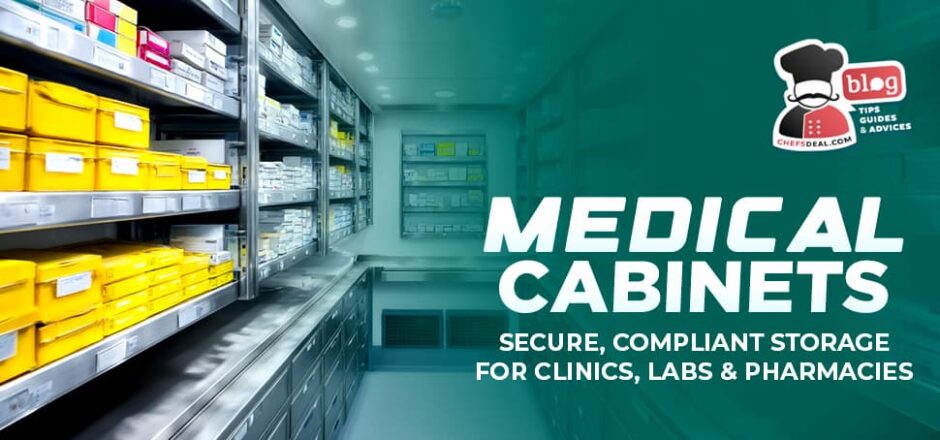
Medical cabinets provide secure, organized storage for medications, vaccines, narcotics, PPE, and medical tools in healthcare settings. Built with durable materials and reliable locks, they protect sensitive supplies, prevent unauthorized access, and support compliance with DEA, CDC, OSHA, and HIPAA-related standards.
Different types of medical cabinets serve distinct needs, including medication cabinets for storing medications, DEA-approved narcotics cabinets for controlled substances, PPE cabinets for storing protective gear, vaccine cabinets for temporary storage, and modular wall cabinets for flexible, space-saving solutions.
Key features to consider when selecting a medical cabinet include the locking mechanism (keyed, coded, or biometric), construction materials (steel, aluminum, or HDPE), adjustable shelving, wall-mounted versus freestanding options, antimicrobial finishes, transparent doors, and modular stacking. Matching cabinet types to the specific needs of clinics, hospitals, labs, pharmacies, or veterinary offices ensures both efficiency and regulatory compliance.
Proper organization, including the use of labeled bins, maintaining digital access logs, implementing stock rotation, and conducting regular audits, improves workflow, reduces waste, and enhances accountability. Trusted brands like Accucold, Omnimed, InterMetro, Capsa Healthcare, Hamilton, and Global Industrial offer reliable, compliant medical cabinet solutions for every facility size.
What is a Medical Cabinet?
A medical cabinet is a lockable storage unit designed for use in healthcare and laboratory environments. These cabinets secure medications, vaccines, narcotics, medical tools, and PPE (Personal Protective Equipment) from unauthorized access.
Medical cabinets construction utilizes durable materials and reliable locks to ensure compliance with safety protocols and regulatory requirements. By keeping critical supplies organized and protected, they enhance workflow efficiency and ensure the safety of patient care.
What are the Types of Medical Cabinets?
The types of medical cabinets include medication cabinets, narcotics cabinets, PPE and supply cabinets, vaccine cabinets, and modular medical wall cabinets.
Medication Cabinets
Medication cabinets store pills, injectable drugs, and liquid drugs in a secure environment. They typically feature digital or keyed locks that allow facilities to limit access to trained staff only. This controlled access reduces the risk of misuse and ensures accountability. By keeping medications organized and protected, these cabinets help staff maintain compliance while dispensing drugs quickly and safely.

Narcotics Cabinets (DEA-Approved)
Narcotics cabinets are mandatory for storing Schedule II–V controlled substances under DEA regulations. These cabinets typically utilize heavy-gauge steel, dual locks, and tamper-resistant construction to prevent tampering and diversion.
The design of narcotics cabinets makes unauthorized entry extremely difficult and ensures compliance with federal storage regulations. Facilities that use these cabinets not only meet legal requirements but also strengthen trust in their handling of sensitive substances in the eyes of the authorities.
PPE and Supply Cabinets
PPE cabinets store essential protective gear, including gloves, gowns, and face shields. Wall-mounted models free up valuable floor space, while freestanding units add flexibility in placement.
Layouts of PPE and supply cabinets prioritize quick access, enabling staff to grab what they need in fast-paced clinical settings. PPE cabinets maintain efficient workflows and support a safe, hygienic environment by organizing frequently used supplies.
Vaccine Cabinets (Non-Refrigerated)
Non-refrigerated vaccine cabinets serve as short-term holding units near refrigerators or freezers. Clinics typically use them in field setups, mobile care units, or temporary stations where refrigeration is readily available.
Non-refrigerated vaccine cabinets protect vaccines from light, dust, and environmental factors until cold storage is available. They keep vaccines accessible, organized, and ready for safe administration.
Modular Medical Wall Cabinets
Modular medical wall cabinets provide adaptable storage solutions for exam rooms and nurse stations. Their designs allow facilities to personalize their shelving and compartments to match specific needs. Because they mount on walls, they save valuable floor space and integrate smoothly into busy care areas.
Modular medical cabinets enhance efficiency and improve supply management in patient-focused areas by providing flexible storage solutions.
What are the Key Features to Look for in Medical Cabinets When Buying?
The key features to look for in medical cabinets when buying primarily include security, durability, and ease of use. Considering the details listed below helps you choose models that meet compliance requirements while supporting efficient daily operations.
- Locking Mechanisms: Keyed, Coded, or Biometric: The lock type sets the security level of a medical cabinet. Keyed locks offer a reliable and straightforward option that suits basic storage needs. Digital keypads allow managers to set codes and track access through audit trails. Biometric systems, such as fingerprint or retina scans, provide the highest level of protection, ensuring that only authorized staff can access the cabinet.
- Steel vs. Aluminum vs. HDPE Construction: The material of the medical cabinet directly affects its strength, weight, and resistance to wear and tear. Steel offers maximum durability and security, making it the preferred option for storing narcotics and controlled substances. Aluminum is lighter and easier to move while still resisting corrosion. HDPE (high-density polyethylene) withstands moisture and frequent cleaning, making it a practical choice for labs and high-traffic spaces.
- Adjustable Shelving and Bin Inserts: Flexible interiors enable staff to store and organize various types of supplies. Adjustable shelves can be easily moved to accommodate large items, such as bulk packages or small tools. Bin inserts keep smaller items separate and easy to find, reducing clutter. This flexibility speeds up access during busy shifts and improves overall cabinet organization.
- Wall-Mount vs. Freestanding Option: Mounting style impacts space usage and mobility. Wall-mounted cabinets save valuable floor space and create a permanent fixture in exam rooms or labs. Freestanding cabinets offer mobility and can be relocated when layouts change. Choosing between the two depends on how much flexibility and permanence a facility needs.
- Powder-Coated or Antimicrobial Finishes: Cabinet finishes play a key role in hygiene and durability. Powder coating creates a hard, corrosion-resistant surface that withstands heavy use and wear. Antimicrobial finishes actively reduce the growth of bacteria and microbes, which is critical in sterile or high-risk environments. Both finishes extend the cabinet’s lifespan while supporting infection control.
- Transparent Doors for Quick Access: Transparent doors, made from tempered glass or polycarbonate, allow staff to check supplies without opening the medical cabinet. This saves time during emergencies and simplifies daily stock checks. While solid doors provide maximum security, transparent options strike a balance between safety and efficiency. They are instrumental in busy hospitals, where quick decisions are crucial.
- Modular Stacking and Combo Units: Modular cabinets enable facilities to scale storage as their needs grow. Units can be stacked vertically or combined to create larger configurations. Combo units integrate multiple storage types, such as medication, PPE, and tools, into one footprint. These designs save space while keeping supplies organized and workflows efficient.
Why Compliance Matters When Choosing Medical Cabinets?
Compliance ensures patient safety, prevents diversion of controlled substances, and maintains regulatory standards. The DEA requires heavy-duty cabinets with secure locks for narcotics, while the CDC provides detailed guidance for vaccine storage and cold chain protection.
OSHA emphasizes the importance of accessible first aid supplies and safe storage of PPE, which ensures employee safety during emergencies. HIPAA further supports restricted access, especially for supplies related to patient privacy, which enables facilities to align with both safety and confidentiality needs.
In short, locking medical cabinets are absolutely required for the storage of medication, regardless of the size of your establishment.
DEA Storage Rules for Narcotic Cabinets
The DEA mandates stringent requirements for the physical security of controlled substances, particularly Schedule I and II substances, which carry the highest potential for abuse.
According to DEA regulations (21 CFR Part 1304), controlled substances must be stored in a securely locked cabinet or dispersed throughout the non-controlled stock to deter theft.
For Schedule I and II substances, a securely locked, substantially constructed cabinet is generally required. This often translates to cabinets made of heavy-gauge steel with robust locking mechanisms, such as dual locks or advanced keypad access systems, to provide a high level of tamper resistance.
The goal is to make unauthorized access extremely difficult, thereby minimizing the risk of drug diversion. Facilities must also maintain comprehensive records of all controlled substances, including their receipt, dispensing, and disposal, to ensure accountability and facilitate audits.
CDC Vaccine Handling Guidance (for units near fridges)
The Centers for Disease Control and Prevention (CDC) provides comprehensive guidance on vaccine storage and handling to ensure vaccine potency and prevent wastage. While dedicated vaccine refrigerators are ideal, adherence to CDC guidelines remains critical for units near fridges (e.g., non-refrigerated vaccine cabinets used for temporary storage).
The CDC emphasizes the importance of maintaining a continuous cold chain, meaning vaccines must be kept within their recommended temperature ranges (typically 36°F to 46°F (2°C to 8°C) for refrigerated vaccines) from the time they are manufactured until they are administered.
CDC guidelines include that vaccines should always be stored in the middle of the refrigerator or freezer, never in the doors, as temperatures in the doors fluctuate significantly with frequent opening. There should be 2 to 3 inches (5.08 to 7.62 cm) of space between vaccine containers and refrigerator walls to allow for proper air circulation.
Every vaccine storage unit must have a digital data logger (DDL) to continuously monitor and record temperatures. This enables the accurate tracking of temperature excursions, ensuring that vaccines are stored safely.
There should be “Do Not Unplug” signs on the refrigerator and near electrical outlets, which help prevent accidental power disconnections that could compromise vaccine viability.
OSHA Requirements for Medical Supply Access
The Occupational Safety and Health Administration (OSHA) sets standards to ensure a safe and healthy working environment for staff members, which includes regulations about medical supplies and equipment. While OSHA does not explicitly mandate locking cabinets for all medical supplies, its regulations emphasize the importance of readily accessible first aid supplies and proper storage to prevent hazards.
OSHA regulations for general storage requirements (e.g., 29 CFR 1926.250 and 29 CFR 1910.176) stipulate that all materials must be stored in a manner that prevents sliding, falling, or collapsing and does not create a hazard. This applies to medical supplies and equipment, ensuring they are stored securely to avoid injuries or damage.
HIPAA-Adjacent Needs (Restricted Access)
While the Health Insurance Portability and Accountability Act (HIPAA) primarily governs the protection of electronic and administrative patient information, its physical safeguard requirements emphasize the importance of restricting unauthorized access to areas and equipment that may relate to patient care.
In many healthcare settings, medical cabinets may contain items tied to individual patient treatment, such as labeled medications, patient-specific test kits, or specialty supplies. In these cases, secure storage helps support HIPAA’s broader goal of protecting patient confidentiality.
Facilities are encouraged to implement physical access controls, such as locked cabinets and access logs, to limit exposure of patient-associated supplies. Though medical cabinets don’t directly store PHI, controlling physical access to treatment-related materials strengthens overall compliance with HIPAA’s security principles and reinforces patient trust.
Matching Medical Cabinets to Facility Needs
The selection of medical cabinets must align with the specific needs and operational demands of different healthcare facilities. Each setting, from small clinics to large hospitals, has unique requirements for medication storage, security, and accessibility.
Small Clinics & Dental Offices
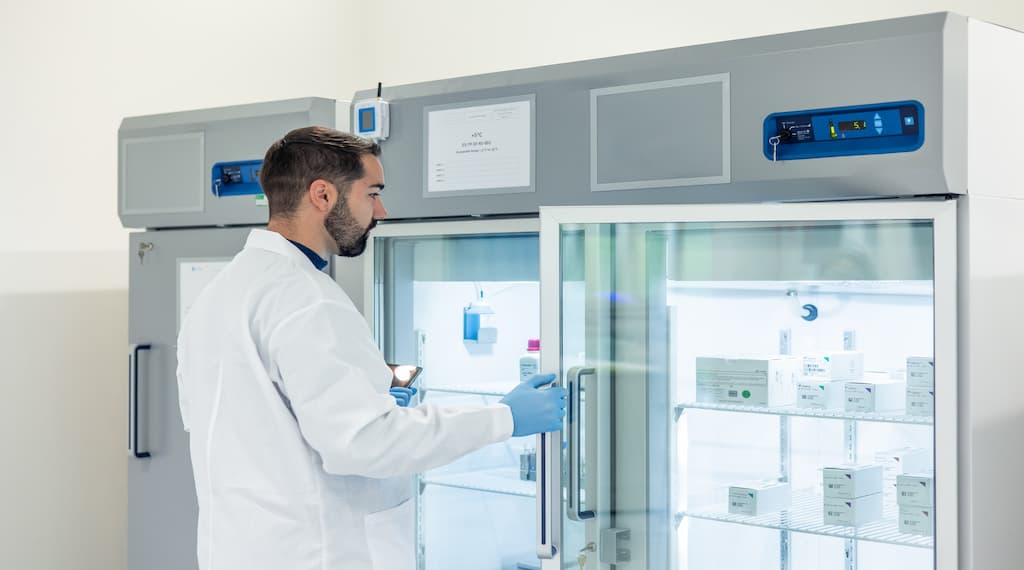
For small clinics and dental offices, compact and combo medical cabinets that offer both secure storage and a smaller footprint are perfect. You can maximize your storage while maintaining regulatory standards and efficient workflows with such units.
Pharmacies
Pharmacies require robust and highly secure medical cabinets due to the large volume and variety of medications, including controlled substances, they handle. Prioritizing narcotics cabinets and general medication cabinets with full logging capabilities is crucial. Pharmacies often need cabinets that can integrate with inventory management systems to ensure accurate tracking and compliance with stringent regulations.
Hospitals
Hospitals, with their diverse departments and high patient volume, require a comprehensive approach to medical cabinet organization. Segmented cabinets are essential for each department or medical station, allowing for specialized storage of medications, tools, and PPE relevant to that area.
Labs & Research Facilities
Labs and research facilities have unique requirements for medical cabinets, often needing secure storage for sensitive chemicals, reagents, and biological samples in addition to medications. These cabinets must usually withstand specific environmental conditions, such as temperature and humidity control, to maintain the integrity of stored materials and possess strong locks.
Veterinary Clinics
Veterinary clinics, like human healthcare facilities, require secure storage for medications, vaccines, and controlled substances used in animal care and treatment. General medical and vaccine cabinets, often combined with narcotics lockboxes, are essential for these settings.
Best Practices for Organizing Medical Cabinets
Organized medical cabinets save time, reduce waste, and support compliance. Implementing best practices ensures that medical supplies are readily accessible, properly stored, and accounted for.
- Store by Category: Categorizing items helps streamline retrieval and reduces the risk of errors. Designate specific sections or drawers for different types of supplies, such as medications, personal protective equipment, medical tools, and administrative paperwork.
- Use Labeled Bins or Trays to Reduce Access Time: Clear and consistent labeling of bins, trays, and shelves allows for quick identification of contents, minimizing search time and improving efficiency during critical moments. This aids in proper restocking and inventory management.
- Keep Logbooks or Digital Access Logs: For controlled substances and high-value items, maintaining detailed logbooks or digital access logs is essential. These records track who accessed the cabinet, when, and what items were removed or added, ensuring accountability and compliance with regulatory requirements.
- First Expired First Out (FEFO) Stock Rotation: Implement a FEFO system to manage inventory. This means that items with the earliest expiration dates are used first, minimizing waste and ensuring that all supplies are potent and safe for use. Regularly check expiration dates and rotate stock accordingly.
- Clean and Audit Regularly: Routine cleaning and auditing of medical cabinets are essential for maintaining hygiene and ensuring inventory accuracy. Cleaning prevents contamination and maintains a sanitary environment, while regular audits help identify discrepancies, expired items, or missing supplies, ensuring that the cabinet contents are always accurate and compliant.
Recommended Medical Cabinet Brands
Multiple manufacturers specialize in secure and compliant medical cabinets. As Chef’s Deal, we recommend Accucold, Omnimed, InterMetro, Capsa Healthcare, Hamilton, and Global Industrial.
- Accucold: The brand is recognized for its specialized medical and laboratory refrigeration, offering secure storage solutions that complement its temperature-controlled units.
- Omnimed: Omnimend is a prominent manufacturer of steel narcotic cabinets, recognized for its robust construction and high-security features.
- InterMetro: InterMetro offers modular cabinets with antimicrobial coatings, emphasizing adaptable storage solutions that promote hygiene and efficient organization in healthcare environments.
- Capsa Healthcare: Capsa Healthcare specializes in secure medical cabinets that often incorporate advanced technology features, such as electronic locking systems and integrated inventory management.
- Hamilton: Hamilton offers sleek designs for modern clinics, combining aesthetic appeal with functional and secure storage for medical supplies.
- Global Industrial: Global Industrial provides affordable yet durable options for medical cabinets, making quality storage solutions accessible to a broader range of healthcare facilities.
FAQs About Medical Cabinets
What’s the difference between a medical cabinet and a regular cabinet?
The primary difference between a medical cabinet and a regular cabinet is that medical cabinets are specifically designed for healthcare settings and include lockable doors, durable materials, and features that ensure compliance.
In contrast, regular cabinets don’t provide the same level of security, durability, or regulatory support. By using medical cabinets, you can ensure your supplies remain safe, compliant, and organized.
Are narcotics cabinets required to be bolted to the floor?
DEA does not explicitly mandate bolting down narcotics cabinets in all settings. However, it is a best practice strongly recommended, especially in higher-risk environments. The DEA may require bolting based on facility risk assessment (e.g., if the cabinet is small and easily removed).
How do I secure medication in a medical office?
To secure medication in a medical office, use locking cabinets, limit access to trained staff, and maintain accurate logs of every transaction. Regular audits, proper disposal of expired medications, and robust physical security measures provide additional protection.
Can wall cabinets be used in hospital supply rooms?
Yes, wall cabinets can be used in hospital supply rooms as they save floor space and improve organization. Modular designs allow facilities to integrate them into different layouts and workflows. For sensitive supplies, such as narcotics, you must select wall cabinets that meet security and regulatory standards.

Conclusion
Medical cabinets play a vital role in maintaining safety, security, and organization within healthcare environments. With a range of options, including medication, narcotics, PPE and supplies, vaccines, and modular wall cabinets, facilities can choose the right unit to fit their specific needs.
Buyers should carefully consider construction materials, locking mechanisms, finishes, size, and compliance requirements before purchasing a medical cabinet. Once installed, effective organizational methods, such as categorization, labeling, regular auditing, and stock rotation, ensure both efficiency and regulatory compliance. For long-term reliability and value, trusted brands like Accucold, Omnimed, InterMetro, Capsa Healthcare, Hamilton, and Global Industrial remain top recommendations.
Get Compliant, Secure Medical Cabinets with Chef’s Deal
Chef’s Deal offers a wide range of medical cabinets for clinics, labs, and pharmacies. Our team guides you to the right model based on your facility’s compliance needs, storage requirements, and space limitations. With fast shipping and volume discounts, we make it easy to upgrade your storage systems. Explore our medical cabinet collection online or call today to speak with one of our specialists.

