


Seafood display cases are designed to present and preserve seafood efficiently and attractively, while increasing sales and keeping your inventory safe from waste.
The proper seafood display setup frames a customer’s perception of your business in a positive light and drives impulse purchases. Such measures are essential in seafood stores to convince customers of the products’ freshness.
To this end, seafood display cases are designed uniquely compared to standard refrigeration units, featuring ice beds, live tanks, and specialty units for various types of fish. The types of seafood display cases typically include traditional ice bed displays, refrigerated seafood cases, live tank systems, combination displays, specialty oyster/shellfish cases, and mobile seafood carts.
Regardless of the type of unit you purchase, the essential features for effective seafood displays are temperature control systems, humidity management capabilities, drainage and meltwater removal systems, ice retention designs, angled display surfaces, and lighting options that enhance without heating.
Additionally, invest in features such as smart monitoring systems, anti-microbial surfaces, advanced humidity controls, energy management innovations, and design trends and consumer preferences to upgrade your efficiency.
In any case, regulatory compliance and food safety should be a priority. Consider FDA and health department requirements, HACCP compliance considerations, the importance of NSF certification, features for preventing cross-contamination, and sanitization capabilities.
The materials and construction of your display case play a critical role in long-term durability and hygiene. Optimizing seafood presentation is equally vital to draw customer attention and communicate value.
Operational considerations should not be overlooked, including staff training, daily maintenance routines, cleaning protocols, and ensuring easy access to the unit during busy hours. These impact efficiency, food safety, and staff satisfaction. Especially since, enhancing customer experience goes hand in hand with visual appeal.
Units with transparent and open access options, offering self-service, minimal condensation, and subtle ambient lighting, can elevate the shopping experience and build trust in product quality. Innovative layout and placement strategies are another crucial component of driving traffic flow and boosting conversion. For instance, with the correct placement, you can increase cross-selling opportunities.
It’s essential to evaluate the financial aspect. A well-chosen seafood display case is a valuable investment; analyzing ROI involves examining reduced product loss, increased impulse purchases, energy efficiency, and improved customer retention.
Troubleshooting common issues such as ice melt overflow, inconsistent temperatures, or lighting malfunctions early on helps preserve your investment and ensure continued success.
What are The 6 Main Types of Seafood Display Cases?
The types of seafood display cases include:
- Traditional ice bed displays
- Refrigerated seafood cases
- Live tank systems
- Combination displays
- Specialty oyster/shellfish cases
- Mobile seafood carts
Select refrigerated seafood display case options that best suit your specific produce and operational needs.
1. Traditional Ice Bed Displays
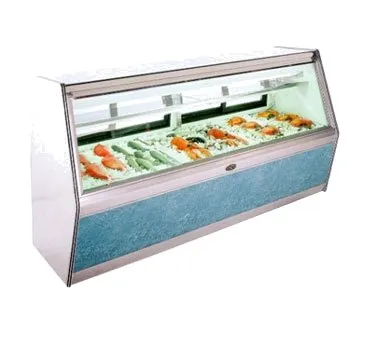
Traditional ice bed displays are typically used in fish markets and seafood counters at grocery stores to showcase fresh fish. They feature open, slanted displays and use crushed or flaked ice to preserve and showcase fish, shellfish, and other seafood appealingly.
Ice beds contribute both functionally and aesthetically. They help maintain optimal temperatures while enhancing visual presentation. They are ideal for promoting freshness, allowing easy access for both staff and customers, and offering a flexible layout for daily restocking.
2. Refrigerated Seafood Cases
Refrigerated seafood cases offer consistent temperature control, eliminating the need for manual ice replenishment. These units come with built-in refrigeration systems that help maintain food-safe conditions, making them ideal for extended display hours. With enclosed or open-front designs, they often feature adjustable shelving, LED lighting, and humidity control. They’re instrumental in high-traffic retail environments where cleanliness, low maintenance, and product longevity are priorities.
3. Live Tank Systems
Live tank systems are designed to maintain optimal conditions for live seafood, such as lobsters, crabs, clams, and oysters, until they are purchased for cooking. These tanks maintain specific salinity, temperature, and oxygenation levels to ensure the animals remain alive and healthy, allowing customers to browse and select them at their best. Most restaurants choose to place their live tanks in customer-facing areas to convey a sense of ultimate freshness to customers and encourage impulse purchases.
4. Combination Displays
Combination displays feature multiple display formats, such as ice beds and live tanks, in one body. Combining different configurations can offer great versatility for your business, especially if you have a diverse seafood inventory with different preservation and presentation needs.
5. Specialty Oyster/Shellfish Cases
Specialty oyster and shellfish cases are designed specifically for oysters, shellfish, and similar seafood. They typically include features such as sloped trays, chilled water sprays, and drainage systems to keep oysters, clams, and mussels moist and cool without submerging them. They are especially popular in gourmet food markets and seafood bars, where freshness, hygiene, and aesthetic appeal are important for sales.
6. Mobile Seafood Carts
Mobile seafood carts feature wheels and are easy to disassemble and reassemble, offering flexibility in both placement and functionality to business owners. They are perfect for caterers, seasonal temporary setups, or promotional events.
Mobile seafood carts typically feature ice bins or portable refrigeration, drainage systems, and clear display panels to ensure smooth operations, as they must function independently without relying on an extensive plumbing system. They’re an excellent solution for pop-up seafood counters, farmers’ markets, and hospitality environments.

What are 6 Essential Features for Effective Seafood Displays?
The 6 essential features for effective seafood displays are listed below:
- Proper temperature control systems
- Humidity management capabilities
- Drainage and meltwater removal systems
- Ice retention designs
- Angled display surfaces
- Lighting options that enhance without heating
Additionally, you can invest in features such as smart monitoring systems, anti-microbial surfaces, advanced humidity controls, energy management innovations, and design trends and consumer preferences to upgrade your efficiency. With the right features in place, you can rely on your investment to function efficiently and deliver consistent results for an extended period.
1. Temperature Control Systems (optimal range: 29-34°F): Temperature control systems in seafood display cases should be precise and maintain a range of 29-34°F (-1.1-1.1°C) to keep your seafood safe, fresh, and cold enough to slow bacterial growth while preserving texture and appearance. Advanced display cases are equipped with digital thermostats and smart sensors to ensure stable temperatures even during peak hours or frequent door openings when the interior temperature is threatened.
2. Humidity Management Capabilities: Humidity management capabilities of a seafood display case should be precise and able to create and maintain 85% humidity within the unit. High humidity levels prevent seafood from drying out and losing taste and texture, especially in open-air or ice-bed displays.
Humidity helps retain product moisture and reduce shrinkage. Suppose you wish to go the extra mile and contribute to aesthetics as well. In such cases, modern displays often feature built-in humidity control systems or misting capabilities to optimize the display environment.
3. Drainage and meltwater removal systems
Drainage and meltwater removal systems are designed to remove pooling water from ice and fish from the displace case to reduce the likelihood of bacteria growth and spoilage. Proper drainage is essential in ice bed displays, as water pooling is inevitable due to the large amount of ice.
The unit can become damaged, and your staff may be exposed to slip hazards if there is no adequate drainage. The best solution to this problem tends to be integrated meltwater removal systems, which keep the ice fresh and hygienic by directing melted ice through concealed drainage channels into collection pans or floor drains.
4. Ice Retention Designs: Ice retention designs include features such as insulated wells, deep bins, and ice-holding trays to help reduce melt rate and minimize the need for restocking ice on ice-based seafood display cases. The ability of a unit to retain ice has a direct impact on both product quality and operational efficiency. Investing in a unit with good ice retention designs will save you time and effort in the long run.
5. Angled Display Surfaces: Angled display surfaces in seafood display cases are designed to improve visibility and make the seafood more visually attractive to customers. Angled glass allows for an easier view of the offerings. Also, it offers functional benefits, such as aiding in drainage and facilitating a more ergonomic restocking and cleaning experience for your staff.
6. Lighting Options That Enhance Without Heating
Lighting options that enhance without heating are designed to effectively highlight the best qualities and colors of your seafood while keeping them safe from spoilage by minimizing heat emission. More often than not, LED lights are preferred for their low heat emission, energy efficiency, and ability to replicate natural light tones.
Additional Seafood Display Case Features
- Smart monitoring systems in seafood display cases feature smart sensors and digital monitoring systems to track temperature, humidity, and performance in real-time. These systems can send alerts for temperature fluctuations or maintenance needs directly to your phone, allowing you to prevent spoilage and waste even when you are away on a day off.
- Anti-microbial surfaces are designed to reduce bacterial growth and are especially necessary in high-moisture environments such as seafood display cases. These surfaces enhance food safety and reduce cleaning time by limiting microbial contamination risks.
- Advanced humidity controls in seafood display cases surpass standard humidity systems, as they feature precision controls that fine-tune humidity levels according to the specific type of seafood being displayed. For example, shellfish may require different humidity levels than finned fish. Such advanced controls enable you to adjust humidity levels precisely according to your specific needs, thereby helping to extend the shelf life of your inventory.
- Energy management innovations in seafood display cases typically include energy-efficient motors, LED lighting, and programmable defrost cycles, which help reduce electricity costs without compromising performance. Some units also feature night curtains, eco-mode settings, or energy usage tracking tools to help you operate more sustainably and efficiently.
- Design trends and consumer preferences in seafood display cases carry significant importance for enhancing the consumer experience and improving your brand’s image. In 2025, sleek glass fronts, customizable finishes, minimalist frames, and modular layouts are among the top trends that cater to consumer demand for clean, modern shopping environments.

Trusted Brands for Seafood Display Cases
The brand plays a significant role in determining reliability, durability, and overall performance when selecting seafood display cases. Below are some of the leading manufacturers known for their specialized solutions in seafood presentation and preservation:
- Howard-McCray: Howard-McCray offers a wide range of seafood display cases with robust construction, energy efficiency, and dependable cooling systems. Their models are popular in supermarkets and fish markets due to their long-term performance.
- Hydra-Kool: Hydra-Kool combines modern design with functionality, producing seafood cases that highlight freshness while maintaining proper temperatures. Their units are often chosen for grocery stores and specialty seafood retailers looking for a balance between style and practicality.
- Infrico USA: Renowned for its European design and advanced refrigeration technology, Infrico USA offers high-quality seafood display cases with sleek aesthetics and reliable cooling performance, making them ideal for upscale food retailers.
- MarcRefrig: MarcRefrig specializes in durable and efficient seafood display solutions, designed to withstand demanding environments. Their equipment is well-suited for busy markets and high-traffic seafood counters.
- Omcan USA: A versatile foodservice equipment brand, Omcan offers select seafood display options at competitive prices, making it a suitable choice for smaller shops or businesses just starting.
- Oscartek: Oscartek is recognized for premium refrigerated displays with modern European styling. Their seafood display cases are favored by gourmet retailers who want to combine freshness with an attractive presentation.
Each of these brands has its own strengths, whether it’s a range of models, cutting-edge technology, or stylish presentation. Buying the right model seafood display case from a reputable brand depends on your business needs, available space, and budget.
What are the Regulatory Compliance and Food Safety Considerations for Seafood Display Cases?
Regulatory compliance and food safety should be a top priority at seafood display cases. As always, when purchasing commercial kitchen equipment, consider the FDA and health department requirements, HACCP compliance considerations, the importance of NSF certification, features that prevent cross-contamination, and sanitization capabilities.
FDA and Health Department Requirements
FDA and health department requirements for seafood display cases typically include specific temperature ranges, sanitation protocols, and safe food and ice handling practices. Complying with federal codes is essential to reduce public safety hazards and pass health inspections with flying colors, as well as local codes that you should be aware of through your dealer.
HACCP Compliance Considerations
HACCP compliance considerations for seafood display cases refer to the Hazard Analysis and Critical Control Point (HACCP) system, a systematic approach to food safety. HACCP protocols dictate that all critical control points, such as cold holding, sanitation, and prevention of cross-contamination, should be well-thought-out and supported by the unit’s design. In this regard, you should look for features such as temperature logging and anti-microbial, easy-to-clean surfaces that meet the requirements and pass inspections.
NSF Certification Importance
NSF certification refers to National Sanitation Foundation’s certification to verify a unit’s design meets safety and cleanliness standards. An NSF-certified unit is crucial to conducting a hygienic operation and passing health inspections. Before finalizing any purchase, verify that the product is NSF certified to ensure your investment lasts a long time.
Cross-Contamination Prevention Features
Cross-contamination prevention features in seafood display cases include integrated dividers to separate food items, a separate drainage system for different food items, and non-porous materials that can’t absorb juices and odors.
These features, when combined, ensure that ingredients and dishes don’t mix up and contaminate each other. Use color-coded cutting boards and other designated areas in your prep area to prevent cross-contamination before food reaches the seafood display case.
Sanitization Capabilities
The sanitization capabilities of seafood display cases include features such as removable trays, a smooth interior finish, antimicrobial materials, and accessible drainage systems, making sanitization and cleaning a breeze. In addition to these features, ensure that your unit is made of durable materials that can withstand commercial-grade disinfectants regularly without corroding.
Display Case Materials and Construction
Display case materials and construction directly impact a seafood display case’s hygiene, durability, and overall performance. When purchasing a unit, consider the benefits of food-grade stainless steel, high-quality glass, and various configuration options, as well as the base materials, durability factors, insulation effectiveness, and corrosion resistance requirements.
- Food-grade Stainless Steel Benefits: Food-grade stainless steel is resistant to corrosion, easy to clean, and compliant with food safety standards, which makes it an excellent material option for seafood display cases.
- Glass Quality and Configuration Options: Top glass quality and configuration options include tempered, anti-fog glasses that enhance visibility and safety, while offering various access styles such as sliding, hinged, or lift-up, depending on your preference. Sliding is great for cramped spaces, while hinged and lift-up designs are better suited for insulation.
- Base Materials and Durability Factors: The base materials and durability factors for seafood display cases are crucial in extending the lifespan of a unit. You should opt for reinforced bases to support heavy loads and frequent cleaning without the unit warping or breaking down.
- Insulation Effectiveness: Insulation effectiveness is crucial in a seafood display case for maintaining the desired temperature, regardless of the frequency of door openings. You should aim for an R-value of 25 or higher to achieve high-efficiency insulation in your unit and reduce energy consumption.
- Corrosion Resistance Requirements: Materials should withstand constant exposure to moisture, salt, and cleaning chemicals to prevent rust and degradation.

How to Optimize Seafood Presentation
To optimize seafood presentation in a seafood display case, it is essential to communicate freshness and quality through strategic product arrangements and additions, such as the use of ice. To make the most of your presentation, you can follow these tried and true best practices:
- Arrange Product Arrangement Techniques: Group seafood by type or size, and position premium items at eye level to direct customer focus towards the items you wish to sell.
- Use Ice Effectively: Layer crushed or flaked ice evenly under the seafood items to maintain freshness, enhance visual appeal, and create a clean, professional look.
- Apply Color Contrast Strategies: Place seafood with varied colors next to each other and use bright backdrops or trays to make the products pop by playing with contrast strategies.
- Use Signage and Pricing Display Integration: Utilize clear, waterproof labels with legible fonts to display product details, prices, and sustainability information in front of the seafood items.
- Enhance Garnish and Accessory Options: Boost presentation with fresh herbs, lemon slices, or decorative nets and trays to enhance the display without overcrowding the seafood case.
What are The Operational Considerations for Seafood Display Cases?
The operational considerations for seafood display cases include conducting daily maintenance runs, managing and replenishing ice, rotating products, devising overnight storage solutions, and providing staff training. Taking the necessary measures will help maintain freshness, efficiency, and food safety in your seafood displays.
- Perform Daily Maintenance: Clean surfaces, drain systems, and sanitize trays at the end of each day to prevent odor and bacterial buildup.
- Consistently Manage and Replace Ice: Replenish and redistribute ice throughout the day to ensure even coverage and temperature control.
- Rotate products strategically: Follow the First-In, First-Out (FIFO) method to minimize waste and maintain optimal freshness in your displays.
- Use overnight storage solutions: Transfer unsold seafood that can be stored for later use to a proper cold storage unit to maintain its freshness. Or, if the display case is designed for overnight use, you can re-ice it and cover it for overnight storage.
- Train staff effectively: Train staff on safe handling of seafood, cleaning procedures, temperature monitoring, and display presentation techniques to ensure a smooth operational flow and minimize waste and accidents.
How to Enhance Customer Experience with Seafood Display Cases
To enhance the customer experience with seafood display cases, improve visibility and accessibility, add interactive display elements and educational components, offer samples, and consider sensory factors such as odors. A well-designed display case creates a memorable shopping experience and builds trust with your customer base.
- Enhance Visibility and Accessibility: Select cases with clear glass, anti-fog features, and easy-to-reach access to enable customers to view products comfortably.
- Incorporate Interactive Display Elements: Use digital screens, rotating displays, or live tanks to engage curiosity and showcase freshness.
- Provide Educational Components: Include signage or QR codes that share sourcing info, sustainability practices, or cooking tips to build confidence in product quality.
- Offer Sampling Capabilities: Where permitted, present small, chilled samples to allow customers to taste and discover new items, especially premium selections.
- Control Sensory Factors Like Odor: Use odor-neutralizing filters, proper drainage, and airtight sealing to maintain a fresh and pleasant environment.
What are Seafood Display Case Layout and Placement Strategies
Seafood display case layout and placement strategies encompass selecting an optimal location within the store, considering traffic flow, enhancing staff workflow efficiency, implementing complementary product placement, and adhering to best practices in space utilization. Strategic placement can significantly influence customer behavior, sales volume, and staff efficiency.
- Optimal Location Within Store/Restaurant: Place seafood cases near store entrances or along main aisles to increase visibility and encourage impulse buys.
- Traffic Flow Considerations: Ensure the layout allows customers to browse comfortably without blocking staff and other customers from moving around, especially during peak hours.
- Staff Workflow Efficiency: Locate cases near prep areas or cold storage to reduce restocking time and improve service speed.
- Complementary Product Placement: Surround seafood cases with items such as lemons, sauces, herbs, or wine to enhance cross-selling opportunities. Customers who see these complementary items will be more likely to make additional purchases.
- Space Utilization Best Practices: Select case sizes that suit your space without overcrowding, and utilize vertical or tiered displays to showcase more products in a smaller area.
Investment and ROI Analysis for Seafood Display Cases
Investment and ROI analysis for seafood display cases encompasses the financial impact of your purchase, from the initial price to long-term financing options. You should consider initial costs, operating expenses, sales impact, payback period, and financing to get a complete picture of your ROI.
- Initial Cost Considerations: Factor in the unit price, installation fees, and any necessary infrastructure upgrades, such as electrical and plumbing, to determine the total initial cost of purchasing and installing a seafood display case.
- Operating Expenses Breakdown: Operating expense breakdown includes energy consumption, ice or water usage, maintenance, repairs, and staff training. Tallying all these costs will give you an idea of how much you’ll need to spend to operate the unit.
- Sales Impact Projections: A sales impact projection refers to the estimated increase in revenue resulting from improved presentation, extended freshness, and higher customer trust. You can consult your distributor to gain insight into the sector or conduct market research to estimate demand.
- Payback Period Calculations: Calculate how long it will take for increased profits, resulting from owning a seafood display case, to cover the initial investment money you spent. Factor in seasonal fluctuations into your calculations.
- Financing Options: Consider leasing programs, manufacturer financing, or small business loans to manage upfront costs while preserving your cash flow. Most distributors offer long-term financing, alleviating business owners’ burden by not requiring upfront payments for 30-day or no-interest 90-day programs.
Troubleshooting Common Issues
Troubleshooting common issues in seafood display cases on your own can help you reduce repair and maintenance costs and resolve operational challenges before they escalate. Top issues people face with seafood display cases include temperature fluctuations, condensation buildup, unpleasant odors, and the lack of a backup plan in case the unit malfunctions. To maintain optimal performance and product quality, you can address these common issues promptly in the following ways:
- Temperature Fluctuation Management: Regularly inspect thermostats and door seals to ensure they are functioning correctly. Calibrate temperature controls as needed and repair any insulation issues to maintain consistent internal temperatures.
- Condensation prevention: Ensure adequate ventilation within the display case and apply anti-fog coatings to glass surfaces. Maintaining proper humidity levels helps reduce moisture accumulation, keeping the display clear and crisp.
- Odor control solutions: Implement a routine cleaning schedule for drainage systems and utilize odor-neutralizing materials. Incorporating adequate ventilation or filtration systems can also help maintain a fresh environment.
- Maintenance alert systems: Install smart sensors or monitoring tools that provide real-time alerts for temperature deviations, equipment malfunctions, or required maintenance, allowing for prompt responses to potential issues.
- Emergency backup options: Always have a Plan B. Whether it’s a generator, battery-powered cooling, or even portable ice storage, you need a backup storage space to protect your inventory.
FAQs About Seefood Display Cases
What temperature should seafood display cases be maintained at?
Seafood display cases should maintain a temperature range of 29°F to 34°F (- 1.1 °C to 1.1°C). This range helps slow bacterial growth while preserving texture, taste, and visual freshness. Regular monitoring is essential, especially in open-air or high-traffic environments.
How often should seafood cases be cleaned?
Seafood display cases should be cleaned daily, with thorough sanitation and food-grade sanitizers at the end of each business day. To prevent bacterial buildup and ensure compliance with health regulations, regularly disinfect surface cleaning, drainage systems, meltwater pans, and any removable trays or bins.
Can I display different types of seafood in the same case?
Yes, you can display different types of seafood in the same case, but after taking the necessary precautions to avoid cross-contamination. Use dividers or separate compartments for items like shellfish, whole fish, and fillets. Consider grouping seafood with similar storage needs and rotation schedules to optimize freshness and handling.
What’s the best way to display live shellfish?
The best way to display live shellfish is through specialty shellfish cases or live tank systems that maintain proper moisture and temperature without submerging the product. Features like chilled water sprays, sloped trays, and constant aeration help keep them fresh and appealing until sale.
How can I prevent seafood odors from impacting the customer experience?
You can prevent seafood odors from affecting customer experience by implementing systems for strict cleanliness and proper drainage. Anti-microbial surfaces, daily sanitation, and effective meltwater removal reduce the risk of unpleasant smells. Invest in ventilation systems or odor-neutralizing filters integrated into modern display cases to maintain a fresh, inviting environment.
Conclusion
Investing in a high-quality seafood display case is a strategic move that impacts product quality, customer perception, and ultimately, your bottom line.
Every detail contributes to preserving freshness and maximizing sales from layout and lighting to temperature control and compliance. By carefully selecting features that align with your operational needs and enhancing the customer experience through innovative presentation and display techniques, you can differentiate your seafood business.
A well-designed display case becomes a cornerstone of both efficiency and profitability in any seafood retail environment when paired with proactive maintenance and thoughtful planning.

