

Wine preservation refers to methods designed to extend wine’s freshness, taste, and aroma after opening by controlling factors like oxygen exposure and temperature. Implementing advanced wine preservation systems and wine-saving tips reduces waste, speeds up service, ensures optimal wine serving temperatures, and boosts sales. Many bars, restaurants, hospitality venues, and similar facilities incorporate bar refrigeration with wine preservation systems to maintain ideal wine quality and freshness even during high traffic. These efforts help deliver exceptional wine service and elevate the overall wine-drinking experience.
Wine preservation systems and wine-saving tips remove the risk of spoilage in opened wine bottles by minimizing oxidation. Introducing inert gases like argon or nitrogen has been impressive for preserving opened bottles for weeks and even months in high-end settings. Other wine preservation methods include vacuum systems, wine preservers, and temperature-controlled systems. These technologies support a growing trend in wine flights and wine-tasting options, allowing guests to sample premium wines in smaller portions. Practical wine-saving tips give professionals and home enthusiasts insights into wine-preservation practices.
What is Wine Preservation?
Wine preservation is a method or series of practices for extending wine’s freshness, flavor, and aroma in opened bottles. Preservation techniques address the chemical changes that wine undergoes when exposed to oxygen and the effects of improper storage conditions, like extreme temperature fluctuations. These factors expose the wine to oxygen and heat, triggering the oxidation process that alters the wine’s taste, aroma, and visual appeal. Therefore, wine preservation systems address the chemical changes that occur naturally when the wine in an uncorked bottle starts interacting with oxygen.
Wine selections are among restaurants or bars’ most valuable assets, so even a drop wasted is costly. Commercial facilities often rely on bar refrigeration units to prevent this. Such systems keep wine at a stable, ideal temperature. However, wine begins tasting stale and unappealing 12 to 24 hours after opening the bottle, even in a refrigerated environment. So, refrigeration equipment with preservation techniques is the ideal way to protect your investment in premium wine stock. Applying different wine preservation systems enables venues to enhance their wine offerings and customer satisfaction.
Types of Wine Preservation Systems
Wine preservation systems are critical in serving wine at its best. Every pour makes a difference in profitability, so you need to select the best system that caters to your unique storage needs and the types of wine in your selection. There are 6 commonly used types of wine preservation systems.
- Vacuum Systems: Vacuum systems create a vacuum inside the wine bottle, removing most of the air and limiting exposure to oxygen. A pump extracts air from the bottle, and a vacuum stopper seals it, significantly slowing the oxidation process. Vacuum systems are ideal for fresh red and white wines for 3-7 days. They offer an affordable way to preserve wine without the need for gas-based methods.
- Nitrogen Systems: Nitrogen-based preservation systems inject nitrogen into an open bottle to displace oxygen and form a protective layer over the wine. Nitrogen gas is heavier than oxygen, providing a reliable barrier preventing oxidation. This system is well-suited for bars and restaurants with sophisticated wine selections and high turnover, allowing them to preserve wines for up to 2 weeks without compromising quality.
- Temperature-Controlled Systems: Temperature-controlled wine preservation systems rely on precise temperature regulation and the ability to control humidity levels. These systems are especially effective for wines that are sensitive to temperature fluctuations. Bars that serve multiple wine types with distinct temperature needs benefit from temperature-controlled systems to preserve their wines’ freshness, flavor, and aroma.
- Argon Gas Systems: Argon gas systems inject argon gas into the bottle, similar to nitrogen systems. Argon is an inert, denser gas that provides an even more effective barrier against oxidation. They work best with premium wines. Upscale bars and restaurants that serve expensive wines by the glass can use argon systems to preserve their opened bottles for several weeks.
- Coravin Systems: Coravin systems allow you to pour without removing the cork by employing a needle that punctures the cork. This method replaces displaced wine with argon gas to prevent oxidation. Coravin systems are suitable for occasionally poured rare or premium wines. They are a cost-effective option for bars serving fine wines by the glass without opening a full bottle.
- Wine Stoppers and Preservers: Wine stoppers and preservers offer a simple, low-cost solution for extending the life of opened bottles. These devices work by providing a tighter seal to limit oxygen exposure. They are not as effective as other preservation systems for longer storage periods. Still, they are an affordable and easy-to-use option for casual wine drinkers and bars looking to keep wines fresh for a few days.
How to Choose The Right Wine Preservation System For Your Bar
Choosing the right wine preservation system for your bar requires considering several key factors: A well-chosen system balances preservation needs with bar setup, wine turnover, and cost efficiency. Wine volume, types offered, refrigeration setup, and upfront costs also help determine the ideal system that improves wine service standards. Finally, staff training refines the implementation of your selected system.
Evaluate Wine Volume And Turnover
High-volume bars benefit from wine preservation systems that maintain wine freshness over longer periods, such as nitrogen or argon gas systems. These methods preserve open bottles for at least 14 days. Vacuum systems offer a budget-friendly solution for moderate turnover, keeping wines fresh for a few days by reducing oxygen exposure. Turnover-based selection prevents premature spoilage and aligns with business needs.
Consider The Variety Of Wines Offered
Bars with a broad wine selection, including sparkling, red, and white wines, are better off with systems capable of accommodating different preservation needs. Multi-purpose systems that adjust to various bottle types are advantageous for preserving wines across categories. For instance, temperature-controlled units are ideal for bars with multiple varieties, as they allow tailored storage to prevent oxidation and maintain optimal flavors. Such systems ensure wines retain their unique characteristics.
Match The Preservation System To Your Wine Types
Matching preservation systems to your wine types ensures consistency and quality in every pour because each works best with specific wine types. Vacuum systems are perfect for reds and whites with low-to-moderate turnover. Nitrogen or argon systems, on the other hand, extend the freshness of high-end wines that require longer preservation, especially those served by the glass. Prefer Coravin systems for rare or premium wines, as they allow pour-by-the-glass service without exposing the entire bottle to air.
Align With Your Bar Refrigeration Setup
Align preservation systems with your bar’s refrigeration setup to optimize efficiency. Multi-zone units or adjustable refrigeration settings can complement preservation systems by maintaining temperature stability. Some refrigeration units feature integrated preservation options that combine storage and preservation, saving space and ensuring quick access. This alignment simplifies maintaining wine quality even in busy settings where temperature consistency is vital for taste preservation.
Evaluate Cost Vs. Benefits
Evaluate the initial cost vs. long-term benefits to strike a balance when choosing your wine preservation system. Some systems, such as Coravin, are expensive, but they enable you to open multiple bottles simultaneously and serve from the same bottle for weeks and even months. Wine is a luxurious pleasure and costly menu item. Systems like nitrogen gas setups have a higher price tag but provide long-term savings by extending wine life. Every drop of it saved counts for profitability. Therefore, calculate both immediate and long-term benefits to boost your revenue without losing quality.
Implement Wine Preservation Systems In Your Bar
Effective implementation involves positioning systems for optimal workflow and easy access to streamline operations. Place preservation units close to the service area to let staff access wine quickly and maintain quality, especially during peak times. Strategic placement ensures that preserved wines are readily available without disrupting service flow. Additionally, consider locating bar refrigeration units and wine preservation systems to complement one another for a faster and smoother operation. Properly implemented systems enhance service efficiency and provide customers with wine at its freshest.
Consider Optimal Placement And Space
Preservation systems vary in size and space requirements, with some, like vacuum and stopper-based systems, requiring minimal counter space. Larger gas-based systems need designated space near the bar to ensure easy access and efficient use. Ensuring adequate space for the preservation system enhances workflow and protects the equipment from damage. Optimizing space use matters, particularly in tight spaces with high foot traffic.
Train Your Staff on System Use
Training your staff on system use helps maximize the benefits of wine preservation systems. Outfitting your setting with the most advanced wine preservation systems is only one of the steps. They become dead investments without well-trained employees who understand how to operate, maintain, and troubleshoot these systems. Training should cover preservation techniques, equipment handling, and safe practices for gas-based systems. Skilled staff contribute to consistent service, preserving the flavor and freshness of every glass. This ultimately boosts customer satisfaction and repeat business.
3 Benefits of Using Wine Preservation Systems and Bar Refrigeration Together
Using wine preservation systems with bar refrigeration offers a seamless wine storage solution. Key benefits of this integrated use include enhanced customer experience, reduced waste, and higher wine quality.
1. Enhanced Customer Experience
Using wine preservation systems with bar refrigeration units enables consistent wine quality. Each glass reaches guests at the peak freshness and ideal temperature. Serving wines at their best reinforces the establishment’s reputation for quality and eventually attracts more repeat business. Bars incorporating wine preservation systems into bar refrigeration can open multiple bottles for tasting without risking spoilage. Thus, guests can sample various wines in a single visit. This flexibility encourages more exploratory tasting experiences, elevates the overall dining experience, and builds customer loyalty.
2. Reduced Waste
An integrated wine preservation and refrigeration approach minimizes spoilage and waste, resulting in a more sustainable and cost-effective operation. Preservation systems like vacuum or nitrogen-based units prevent oxidation, while refrigeration units keep wines at stable temperatures. This combination allows bars and restaurants to reduce waste associated with half-empty bottles and extend freshness for days or even weeks. Venues that waste less wine maximize each bottle’s potential, which is especially valuable when serving high-end wines.
3. Higher Wine Quality
Wine preservation systems and refrigeration units help preserve the wine’s original flavors and aromas. This blended setup maintains stable temperatures and minimal oxygen exposure, preventing oxidation, the primary cause of flavor loss. For example, argon-based systems can keep an open bottle fresh for weeks, while multi-zone refrigeration units provide ideal storage conditions for various wine types. This level of quality control helps deliver wines that taste as intended, which showcases your commitment to premium wine service.
What are Effective Wine-Saving Tips?
Effective wine-saving tips revolve around using proper storage techniques and reliable preservation methods to upgrade wine quality over time. This approach benefits commercial bars and home wine enthusiasts by encouraging wines to their intended flavors, aromas, and structure.
Wine-Saving Tips For Bar Owners
Wine-saving tips for bar owners focus on maintaining wine integrity even days or weeks after opening it. As an exclusive and delicate drink, wine demands meticulous handling and storage. Depending on the type, it remains fresh for only 3 to 5 days. High-turnover environments like bars, restaurants, and hotels cannot afford to waste one drop. Oxygen is the primary threat to an opened bottle, followed by light, humidity, and temperature fluctuations. Wine-saving tips target mitigating these issues using commercial refrigeration equipment like wine coolers and wine preservation systems like nitrogen or vacuum pumps.
Controlling Temperature Consistently
Controlling temperatures consistently prevents premature aging and spoilage. Temperature tracking also matters in wine service. Ideal wine serving temperatures vary by the wine type. White wines are best around 38°F-55°F (3.33°C – 12.78°C), reds at 55°F-68°F (12.78°C – 20°C), and sparkling wines between 40°F and 45°F (4.44°C – 7.22°C), based on the body type. Bar owners can use dedicated cooling systems or refrigeration units to keep wines at these recommended serving temperatures to prevent flavor degradation due to temperature fluctuations.
Maintaining Proper Humidity Levels
The humidity of around 70% keeps corks from drying out, maintaining an airtight seal that helps preserve freshness. Low humidity dries corks and lets in oxygen, speeding up oxidation and spoilage, while excessive humidity risks mold. Humidifiers in wine storage areas or humidity-controlled refrigeration units are practical for commercial settings to maintain optimal cork conditions and wine quality.
Limiting Light Exposure
Exposure to light accelerates oxidation and impacts wine taste and appearance. Dark storage areas or specialized UV-protective wine coolers protect wines from harmful light exposure and prevent unwanted chemical reactions in the wine. Dim or shaded areas are ideal storage environments. Using dark glass storage units can help bar owners protect wine quality over time.
Storing Bottles Horizontally
Storing bottles horizontally stipulates cork moisture, which keeps the cork airtight and prevents oxidation. A horizontal position ensures the wine remains in contact with the cork, making it ideal. This method is perfect for long-term storage and is especially important in bars with extensive wine lists. Horizontal shelving offers dual benefits: saving space and protecting wine quality.
Regularly Inspecting Inventory
Regularly inspecting inventory minimizes waste and maintains quality. Rotate your wine inventory by serving older bottles before newer ones. Frequent checks help identify wines nearing the end of their prime and help your wait staff know which ones to serve first. Organize timely sales or promotions to avoid spoilag,e informed by these controls. The result is wine consistently served at its best quality and waste reduced to almost none.
Considering Wine Preservation Systems
Wine preservation systems, such as vacuum pumps, nitrogen gas, and argon-based systems, extend the life of opened bottles by reducing oxygen exposure. These systems can be tailored to the specific wine selection and service frequency, keeping wines fresh for days, weeks, or even months. Such systems are essential for bars with a by-the-glass program, enabling premium quality with minimal waste.
Using Wine Cooling Systems
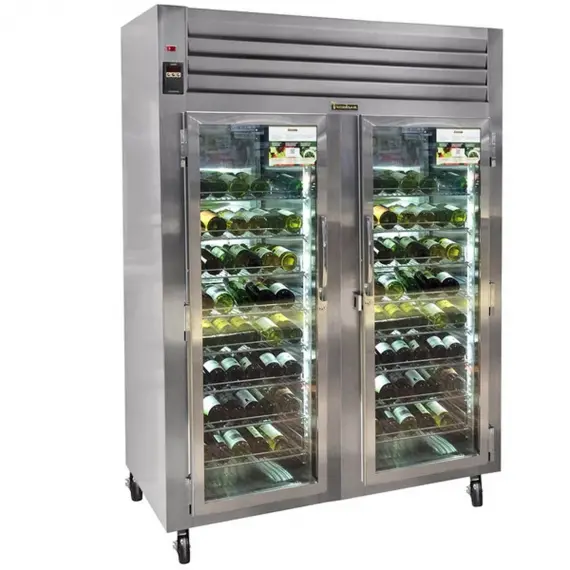
Bar refrigeration units, especially those designed for wine cooling, stabilize temperature and preserve wine quality. Commercial wine coolers offer multi-zone cooling options and allow high-turnover bars to store reds, whites, rosés, and sparkling wines at ideal temperatures within the same unit. They prevent temperature fluctuations that lead to premature aging. Temperature ranges, humidity levels, interior lighting, and shelving options are all designed to optimize wine storage.
Wine-Saving Tips For Storage at Home
Wine-saving tips are also useful for storage at home. It is hard to finish a bottle the same day you open it. In addition, it is heartbreaking not to get the same taste a few days after opening it. Using a wine fridge and some storage tips, you can retain the wine’s aroma and flavor profiles.
Storing Bottles Horizontally
Horizontal storage is ideal for keeping corks moist and preventing oxidation, as it seals the wine cork tightly. This is particularly important for wines intended for longer storage because corks that dry out over time when stored upright risk air exposure. Horizontal wine racks offer convenient and space-efficient storage that helps preserve wines longer.
Using a Wine Fridge
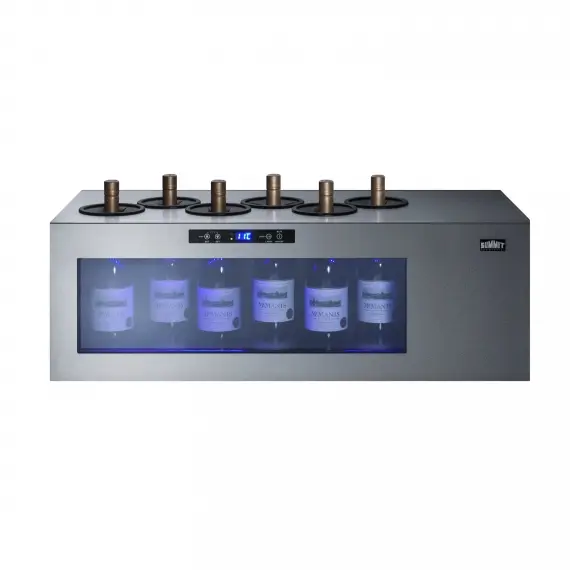
A wine fridge keeps bottles at a consistent temperature without the fluctuations typical of a standard refrigerator, which can negatively affect wine. A dedicated wine fridge also avoids vibrations that disrupt the delicate aging process. Remember to set temperatures according to the specific wine type for optimal storage.
Avoiding Temperature Changes
Maintaining a consistent temperature prevents unwanted chemical reactions in the wine that spoil taste and aroma. Avoid placing wine near sources of heat or drafty areas where temperature changes trigger oxidation and flavor fading. Consider storing wines in a cool, dark area like a basement if a wine fridge is unavailable to keep temperature changes minimal.
Limiting Handling
Frequent movement can disturb the sediment in aged wines and impact their flavor. Store bottles in a single location and avoid handling them unnecessarily. A stable storage environment ensures wines retain their structure and flavors. Frequent handling exposes the wine to the risks of light and temperature fluctuations. Constantly corking and uncorking the bottle weakens the seal.
Keeping Open Bottles Refrigerated
Refrigerating open bottles slows oxidation and extends freshness by preserving aromas and flavors. Even red wines benefit from short-term refrigeration, though they should be brought to serving temperature before pouring. Remember to store your wine bottle horizontally and recork it, or use a wine stopper to maximize freshness.​
Conclusion
Incorporating wine preservation systems and saving tips significantly extends opened wine’s freshness, flavor, and quality. These systems counteract wine’s main adversaries—oxygen, light, humidity, and temperature fluctuations—using inert gases, vacuum technology, and temperature control to slow oxidation and preserve taste. Each system supports a more dynamic and profitable wine service. Pairing these with bar refrigeration almost zeroes out waste and provides the flexibility to open multiple bottles and offer wine by the glass or on flights. Following practical wine-saving tips at home and the bar ensures each glass is as fresh and enjoyable as intended.

