
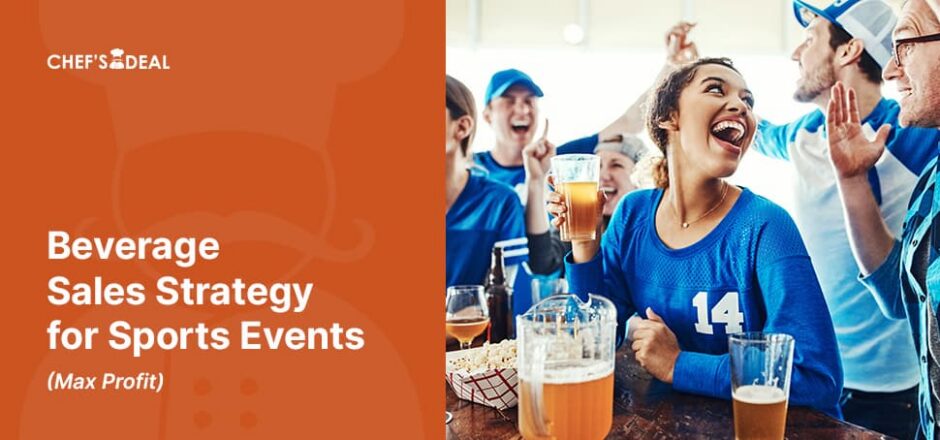
Major sporting events like the FIFA World Cup 2026, the Super Bowl, and the NBA offer high-profit opportunities for restaurants, sports bars, food trucks, and event venues through beverage and snack sales. These events draw large crowds of spectators into the streets and into venues and stadiums, creating a surge in demand that translates directly into higher revenue when properly managed.
The dramatic increase in beverage sales during these events is primarily driven by massive increases in customer volume and accelerated consumption rates during extended viewing periods.
Foot traffic at sports bars, restaurants, and food trucks spikes exponentially around game times, turning standard low-volume service windows into high-density environments where guests regularly order multiple drinks.
The excitement of live competition and longer game durations encourages steady, repeat transactions, with standard guests consuming drinks at a significantly higher rate than during a regular dinner service.
Successful event beverage operations depend on fast service, proper ice planning, simplified menus, efficient beverage stations, and inventory preparation that can support peak-demand periods.
Highly crowded environments naturally foster spontaneous purchases and combo orders, particularly for portable options like canned beer, fountain drinks, and bottled water that are easy to hold.
Balancing inventory requires recognizing that while alcoholic beverages experience sharp peaks before the match and during halftime, non-alcoholic drinks maintain a consistently high sales volume throughout the event.
Why Beverage Sales Increase During Major Sports Events?
Major sports events increase beverage sales by driving higher customer volume, longer customer stay times, faster beverage consumption, and stronger impulse purchasing. Stadium crowds, fan zones, sports bars, and temporary event vendors experience sustained demand for drinks before, during, and after games, especially during summer tournaments such as the FIFA World Cup 2026.
Cold beverages, fountain drinks, bottled water, beer, and sports drinks sell quickly during major events because they require minimal preparation and support continuous beverage flow during peak hours. Beverage sales increase through combo meals and add-on purchases, helping operators raise average ticket value without slowing operations.
Higher Customer Volume Around Game Times
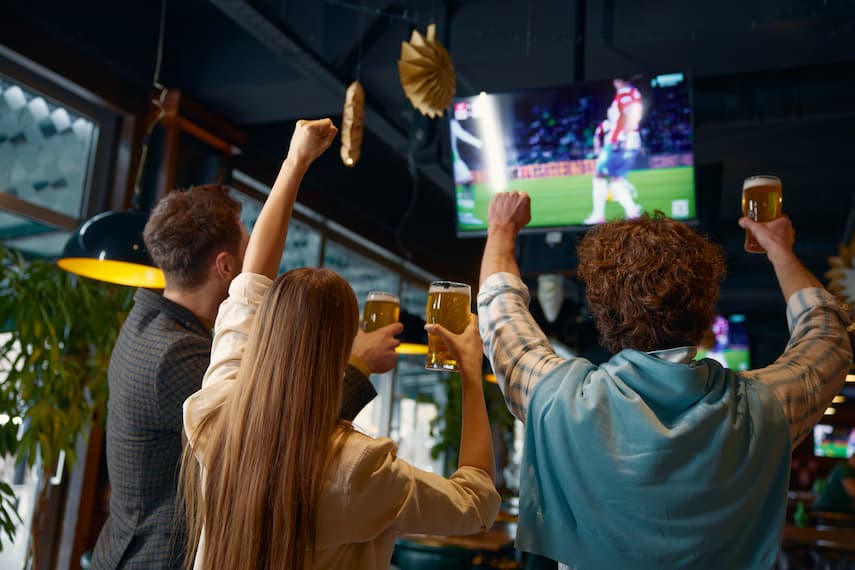
Foot traffic at sports bars, quick-service restaurants, and food trucks spikes dramatically in the hours before kickoff and during the event itself. A venue that serves 80 covers on a standard Tuesday evening can realistically handle 300 or more during a World Cup match, especially when there is a TV broadcasting the match.
Most guests order multiple beverages throughout the event. Furthermore, a soccer stadium can host up to 80,000 spectators, and this number can exceed 100,000 when the press, officials, and employees are included. This sudden, high-density service window requires high stock levels of frozen beverages, fountain drinks, and bottled water, which can be managed only through proper preparation and service strategy.
Faster Drink Consumption During Long Events
Guests watching a 90-minute football match or a three-hour baseball game consume beverages at a significantly higher rate than those dining for the same duration. Cold beverages, including fountain, bottled, and sports drinks, are consumed steadily rather than in a single order, resulting in repeat transactions throughout the service window. A guest who orders once at a standard dinner table will order four or five times over the course of a soccer match.
Impulse Purchases & Combo Orders
Sports event environments are high-stimulus settings where impulse purchasing is very common. Spectators purchase canned beer or sports drinks while waiting for the match or order beverages spontaneously along with food. Additionally, spectators make impulse beverage purchases during the match and at half-time, since the beverages are easy to hold and drink even in large crowds.
Alcoholic vs Non-Alcoholic Demand Patterns
Both alcoholic and non-alcoholic drinks have high demand during major sporting events, but they peak at different points in the service window. Alcoholic beverages, primarily draft beer and mixed drinks, drive volume before and during the match, culminating in the first half and the halftime. Non-alcoholic beverages, fountain drinks, bottled water, sports drinks, and frozen beverages sell consistently throughout the event and account for the majority of family-oriented and daytime venue revenue.
Why Beverages Are One of the Highest-Margin Categories?
Beverages are among the most profitable products sold during sports events like the FIFA World Cup, offering an exceptional combination of high margins, rapid service, and strong customer demand. Unlike food items that require extensive preparation and labor, drinks can be served quickly and repeatedly throughout an event, generating continuous revenue. Their natural compatibility with popular game-day foods also creates valuable upselling and cross-selling opportunities, further increasing overall sales.
Low Ingredient Cost vs Selling Price
The ingredient cost of a fountain drink is remarkably low since the cost of syrup, carbonated water, and ice amounts to roughly $0.20 to $0.40 per serving at commercial volume pricing. At an event, the retail price ranges from $3.00 to $5.00, representing a gross margin of 85% to 93%.
Beverages purchased in bulk and resold at event pricing can reach 90% margin. Draft beer routinely delivers margins of 70% to 80%. No food category on a standard event menu consistently matches this margin profile.
Fast Service & High Order Frequency
Beverage sales enhance your profitability with faster service and high order frequency. A fountain drink or bottled beverage takes seconds to serve. A draft beer pour takes under a minute. Burgers, wings, or loaded fries require 5 to 8 minutes to cook and assemble. This means a single staff member at a beverage station can handle a significantly higher hourly transaction volume than at any cooking station.
Cross-Selling Opportunities with Food Orders
Beverages enhance the dining experience and pair perfectly with nearly every item on a sports event menu, providing a perfect solution for how bars increase revenue. Sports menus include a variety of snacks and food items, ranging from hot dogs and chicken wings to sliders and burgers.
A customer ordering a burger instinctively pairs it with a drink. Wings trigger beer orders. Nachos are consumed with Coke, soda, or water. Every food sale is a natural prompt for a beverage upsell, and every beverage reorder is a natural prompt to cross-sell a food item.
Beverage Sales Checklist for High-Demand Event Days
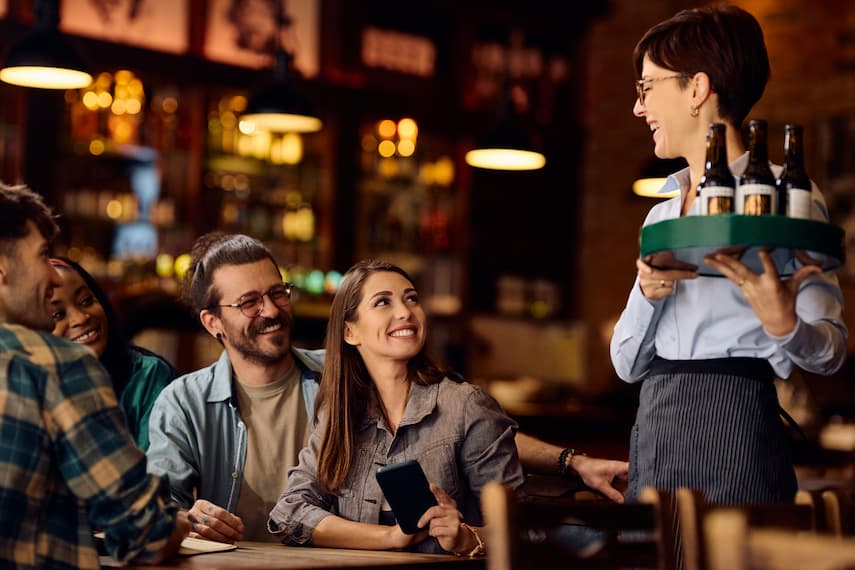
To enhance your beverage sales and streamline beverage service, you can use this checklist as a pre-event operational review:
- Simplify the beverage menu to the highest-demand items only, eliminating options that require additional prep time.
- Prepare your ice machines for consistent production and pre-fill ice bins before the first guests arrive, not during peak service.
- Arrange beverage stations to streamline workflow and minimize steps when retrieving and serving high-turnover items such as fountain drinks, canned beverages, and water.
- Create and use combo offers, pairing drinks with your popular food items to increase average ticket value without extending service time.
- Pre-stock cups, lids, straws, syrups, and garnishes at each station so staff do not have to restock during the rush.
- Establish a dedicated beverage pickup area, physically separated from the food pickup, to improve beverage service speed and increase sales.
- Monitor fast-moving beverage inventory and plan restocking before shortages occur. (Please read our ‘ Best Food Ideas to Sell During Major Sports Events (High-Profit & High-Volume Guide)‘ blog.)
- Run a pre-shift briefing focused on beverage service flow, combo offers, and upselling language so the team executes consistently from the first transaction
Ice Planning: The Most Overlooked Revenue Bottleneck
Ice planning affects beverage sales during major sports events. Even a brief ice shortage can disrupt service, reduce customer satisfaction, and result in lost revenue during peak demand periods.
Proper forecasting, sufficient storage capacity, and fast ice recovery capabilities help operators maintain uninterrupted beverage service and maximize sales throughout the event.
How Running Out of Ice Slows Beverage Sales
When you run out of ice during a soccer match or sports event in summer, your beverage sales come to a halt. Because fountain drinks served without adequate ice generate complaints and returns. Staff scrambles to locate backup ice rather than serving customers. In high-density service environments, a two-minute disruption at a beverage station during peak times can result in dozens of lost orders and profit.
Estimating Ice Demand for Peak Hours
A practical starting point for ice demand estimation is 1.5 lbs (0.68 kg) of ice per beverage served. A sports bar serving 300 beverages per hour at peak demand needs approximately 450 lbs (204.12 kg) of ice per hour of peak service. So, you need to make a sound estimate of projected ice demand first, then fill your ice bins before the pre-match rush.
Planning Backup Ice Capacity
In hot kitchens and busy service environments, hourly ice production falls below rated capacity. Hence, you should plan for at least 20% to 30% above your estimated peak ice demand. You can also add extra stock with a bagged ice supply from a reliable local source. Ice bins should be filled to capacity before the first guests arrive, not when the rush begins.
Why Sports Bars & Event Vendors Need Faster Ice Recovery?
Sports bars and event vendors need faster ice recovery since service demand spikes sharply around game times. The service window is quite short for sports bars, stadium concession operators, and high-volume event vendors compared to regular foodservice businesses on streets or in malls.
Therefore, they do not have the flexibility to restock ice or ingredients over a longer period, which will reduce their sales opportunities. Hence, sports bar and even stand operators need equipment capable of faster ice recovery to prevent inventory gaps between production cycles.
How to Build a Fast-Moving Beverage Menu
- Focus on High-Demand Drinks First: The beverages and drinks that consistently have the highest demand during major sports events are draft beer, canned beer, fountain drinks, bottled water, sports drinks, and frozen beverages. Hence, your menu should focus on these items, which will generate the majority of your beverage revenue.
- Reduce Slow-to-Prepare Beverage Options: Craft cocktails, custom-blended drinks, and beverages that require multiple prep steps are not suitable for peak-event service. A single complicated drink order during a rush slows down the five straightforward transactions waiting behind it.
- Use Limited-Time Event Specials Strategically: Event specials and bundles increase sales volume, especially when they are built around speed and high-demand items. A “Game Day Bundle” that combines a beer or a fountain drink with a food item at a fixed price increases the average ticket size without adding prep time.
- Keep the Menu Easy to Read During Busy Hours: Your menu should allow customers to easily see the menu items. Therefore, your menu boards should display a maximum of five to seven beverage items in large, readable text, with pricing clearly visible. You should remove modifiers, customization options, and low-volume items from the display entirely during event hours.
Optimizing Beverage Stations for Faster Throughput
A well-designed beverage station increases service speed and customer throughput during busy sports events. By minimizing unnecessary movement, reducing workflow interruptions, and organizing supplies for easy access, operators can serve more drinks in less time. Strategic station layout and pre-event preparation help maintain efficient operations even during the highest-demand service periods.
Separate Beverage Prep From Food Workflow
Food and beverage prep and service stations should be separated to prevent congestion that slows operations. A cook reaching across a beverage station for a tool disrupts an in-progress drink order, or a staff member retrieving a beverage component from a food prep area disrupts workflow during match-day service.
Position High-Use Ingredients Within Reach
Frequently needed ingredients and service items such as garnishes, syrups, ice, cups, lids, beverages, and dispensing equipment should all be positioned within a single step of the primary service position.
Use Dedicated Pickup Areas During Rushes
You should create a dedicated pickup area during rushes to enable a quick beverage service away from the prep and cooking stations. A single counter serving as both an ordering point and a pickup area creates a bottleneck that limits output, regardless of how efficiently drinks are produced.
Reduce Staff Movement During Peak Hours
Every task that pulls a staff member away from the beverage station during peak service reduces its service capacity. Therefore, your pre-event preparation should eliminate mid-service restocking runs, supply retrieval, and equipment adjustments. For instance, you should fill ice bins, stack cups in service position, refill syrups and mixers, and check equipment functions before service begins.
How Beverage Upselling Increases Event Revenue
Beverage upselling brings higher revenue and profit during sports events and other high-traffic occasions. Strategic pricing, product placement, and limited-time promotions encourage customers to spend more while enhancing their overall experience. By maximizing the value of each transaction, operators can significantly boost beverage sales without increasing customer volume or labor costs.
Combo Deals (Fries + Drink, Wings + Beer)
Combo deals are the most effective upselling mechanism in event-day foodservice because they eliminate extra sales effort by encouraging customers to make a single purchase decision with a higher ticket value.
The wing-and-beer combo, priced at $16 versus $19 for the individual items, persuades customers to spend more without requiring any selling effort. A single menu of fries and drinks helps customers see the total price in a single offer and increases purchase likelihood with competitive pricing.
Large Size Upgrades & Add-Ons
The size-up method with small, medium, and large options works in event environments when the price gap between sizes is small enough that the upgrade feels reasonable. A $0.75 upgrade from medium to large on a fountain drink is accepted at a significantly higher rate than a $1.50 upgrade.
Offering a second beer at a slight discount during halftime with a format like “Two for $9 instead of $5.50 each” captures higher demand that increases revenue without requiring a new customer.
Positioning Drinks Near Pickup Areas
The most effective beverage and drink placement in event service is the location closest to the food pickup areas and registers. So, cold beverage merchandisers, beer displays, and bottled water positioned at or near food pickup areas convert traffic into revenue without requiring any staff interaction.
Limited-Time Event Promotions
Scarcity and time pressure are genuine purchase accelerators in sales environments. “Match Day Special” pricing, active only during the match, or “Valid Until…” offers create additional purchase motivation for the spectators.
Inventory & Supply Planning for Beverage Sales
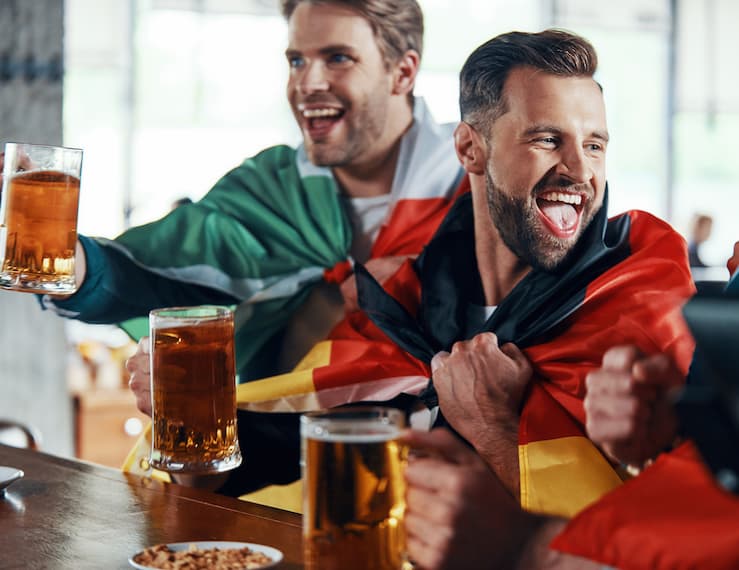
By coordinating early supplier deliveries and calculating demand with built-in buffers for high-turnover items, match day foodservice operators and beverage sellers can successfully navigate unexpected volume spikes. Additionally, maintaining a surplus of essential accessories and closely monitoring ice and mixer levels throughout peak hours guarantees continuous, high-quality service.
Prepare for High-Turnover Beverage Items
Fountain drink syrup, draft beer kegs, canned beverages, and bottled water move faster during event service than in any other format. You should calculate your expected demand for each category based on projected orders and add a 25%-30% buffer to account for unexpected volume spikes.
Stock Extra Cups, Lids & Garnishes
You will lose transactions and profit if your beverage station runs out of lids, straws, or the correct cup size during a peak period. Therefore, carry out a pre-event stock check to verify that you have enough cups in all required sizes, lids, straws, napkins, cocktail napkins, and any garnishes required for event specials.
Monitor Syrups, Mixers & Ice Usage Closely
Ice, fountain drink syrups, and bar mixers frequently run empty, resulting in warm, diluted, or flavorless product before staff notice the problem. You should assign one team member to check syrup levels, mixer inventory, and ice level at the start of each hour during peak service.
Coordinate Supplier Deliveries Before Major Event Days
Schedule supply deliveries before a major event to ensure sufficient stock is in place by the time customers arrive. High-demand event periods strain supply chains, and last-minute delivery requests for beverage stock, kegs, or bagged ice are either too expensive or go unfulfilled.
Sports Bars vs Food Trucks vs Quick-Service Restaurants: Beverage Strategy Differences
Different event venue formats require distinct beverage strategies tailored to their unique operational constraints and customer behaviors. While sports bars capitalize on high-volume alcohol revenue through group orders, mobile food trucks must adapt to limited infrastructure by focusing entirely on fast-moving, pre-chilled bottled and canned drinks. Quick-service restaurants and stadium concession vendors maximize transaction efficiency by offering fountain or bottled drinks as part of combo menus.
Sports Bars (High alcohol volume & group orders)
Sports bars generate the highest beverage revenue among event venue formats, driven by group orders, pitcher sales, and extended seating times throughout the event. The operational priority is draft beer and non-alcoholic options for drivers and non-drinking guests without slowing bar service. Combo pricing around shareable beer formats (pitchers, buckets, towers) increases transaction value while reducing ordering frequency.
Food Trucks (Fast-moving cold beverages & bottled drinks)
Food trucks operating around stadiums and fan zones face limited refrigeration capacity, lack draft-beer infrastructure, and serve a customer base that is on the move rather than seated. Hence, their beverage strategy should be built around pre-chilled bottled and canned beverages such as water, sports drinks, sodas, and canned beer, where permitted.
Quick-Service Restaurants (Combo-driven beverage sales)
Quick-service and fast-casual operations near event venues benefit most from combo pricing that integrates beverages into every food transaction at the point of sale. A menu board that presents combo pricing as the primary option and beverages as the upsell attracts more demand. Fountain drinks, bottled sodas, and bottled water perform best in this format because they require no production time and do not create service lag.
Concession & Temporary Stadium Vendors (Speed-first operations)
Stadium concession stands and temporary event vendors must provide a fast service speed due to the limited service window before and during the match or event. Hence, the beverage menu operations should be limited to three to five items maximum, all pre-chilled and ready to hand off without additional production steps. Draft beer, bottled water, and fountain beverages are in high demand and can be offered as combo menu items with fries or hot dogs.
Most Common Beverage Sales Mistakes During Major Events
Overcomplicating the menu with too many drink variations or underestimating intense demand spikes around key event milestones frequently leads to slow ordering decisions and critical stock shortages. Furthermore, running out of essential supplies like ice and failing to separate or coordinate food and beverage stations will inevitably create bottlenecks in the entire service workflow.
Running Out of Ice During Peak Hours
Running out of ice halts beverage service, especially during a match day in summer. Hence, you should calculate ice requirements carefully, considering the projected service window and pre-filling ice storage to capacity before the event begins.
Offering Too Many Drink Variations
A beverage menu with many options slows ordering decisions and complicates station inventory. During peak event service, operators should trim their event-day beverage menu to the five or six items that provide 90% of their revenue.
Slow Beverage Pickup Flow
When beverages and food share the same pickup area, beverage transactions are delayed by the complexity of food orders. Designating a separate pickup area for beverages or a clearly designated section of the service counter enables streamlined beverage service.
Underestimating Beverage Inventory Needs
Event-day beverage demand spikes in the 30 minutes before kickoff, during halftime, and immediately after the final whistle, resulting in a very short window. Hence, you should plan and prepare for an immediate surge in orders.
Poor Coordination Between Food & Beverage Stations
When food and beverage stations compete for the same physical space, staff movement, and supply lines, both operations fail. Define clear operational boundaries between food and beverage responsibilities before the event begins.
FAQs About Beverage Sales During Sports Events
What beverages sell the most during sports events?
Draft beer, canned beer, fountain drinks, bottled water, canned beverages, and sports drinks are consistently the best-selling beverage categories across sports bars, food trucks, and event venues.
What is the fastest way to improve beverage service speed?
The fastest way to improve beverage service speed is to separate the beverage station from the food workflow, position all high-turnover supplies within easy reach, create a dedicated beverage service station, and reduce the beverage menu to 5 or fewer items.
How do sports bars increase drink sales during games?
Sports bars increase drink sales during games through combo pricing, pitcher and bucket formats, size-upgrade offers, and halftime promotions, creating a secondary purchase window. Additionally, placing cold beverage merchandisers near ordering and pickup areas helps increase impulse purchases.
How much ice does a busy event day require?
The ice planning formula is keeping 1.5 lbs (0.68 kg) of ice per beverage served, accounting for cup fill, chilling, and standard service spillage. So, if you serve 300 guests over a four- to six-hour soccer match window, you should plan for 600 to 900 lbs (272.15 kg to 408.23 kg) of ice for beverage service alone, accounting for repeat sales.
How can I increase beverage profit margins?
You can increase beverage profit margins by focusing your menu on fountain drinks, draft beer, and bottled beverages, which have the highest margins. Additionally, food and beverage bundles increase average ticket size without adding ingredient cost. Size-upgrade offers at the point of ordering convert lower-margin small drinks into higher-margin large drinks at minimal cost.
Final Thoughts: Turning Beverage Demand Into Higher Event Revenue
Major sports events create short, high-intensity service windows where preparation directly affects profitability. Operators that maximize beverage revenue during these events focus on simplified menus, strong ice planning, efficient beverage stations, and fast-moving combo offers that increase ticket value without slowing service.
The most common operational mistakes are running out of ice, overcomplicating the beverage menu, underestimating demand for inventory, and creating bottlenecks between food and beverage stations. Avoiding these issues requires pre-event planning, clear staff responsibilities, and equipment capable of supporting continuous service during peak hours.
The FIFA World Cup 2026 will create major beverage demand across sports bars, food trucks, concession stands, and event venues throughout the U.S. Businesses that prioritize speed, cold-chain consistency, and throughput efficiency will be better positioned to capture more revenue during tournament-level demand periods.
Chef’s Deal carries the commercial ice machines, refrigeration equipment, beverage merchandisers, and holding solutions needed to support high-volume beverage service during major sports events.

