


Thanksgiving Day remains one of the most cherished holidays in the United States, bringing families together and creating one of the busiest weeks of the year for restaurants, caterers, and foodservice operators. Every November, restaurants across …
Blog Posts


In modern pharmacy operations, refrigeration is a critical element that ensures the potency, safety, and effectiveness of temperature-sensitive medications, vaccines, and insulin. Proper refrigeration practices protect public health, maintain cold chain continuity, and ensure regulatory compliance, …

The primary difference between medical and household refrigerators is their design and construction, which are engineered for their intended use. They have a similar look and function for storing temperature-sensitive items, but they differ significantly in …


Medical refrigeration for small clinics preserves vaccines, insulin, diagnostic specimens, and other temperature-sensitive pharmaceuticals within the safe and compliant 36°F to 46°F (2°C to 8°C) range. Household or foodservice units that fail to maintain such precision …

Portable medical refrigerators for field clinics and mobile units safeguard vaccines, medications, and biological samples by maintaining precise temperatures between 36°F and 46°F (2°C and 8°C). These specialized units ensure uninterrupted cold chain management in mobile …

Dual-temperature medical refrigerators combine a refrigerator and a freezer into a single unit, offering efficient, space-saving cold storage for healthcare facilities, pharmacies, labs, and mobile clinics. These units maintain independent temperature ranges: typically 36°F to 57.2°F (2°C to …
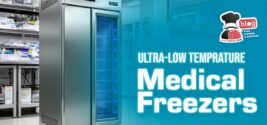
Ultra-low-temperature medical freezers store critical biological materials, samples, vaccines, medicines, and reagents that require very low temperatures down to -123°F (-86°C) and the utmost temperature consistency. An unexpected variation can damage vaccine effectiveness, spoil specimens, make expensive pharmaceuticals ineffective, …
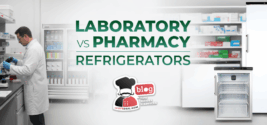
Laboratory and pharmacy refrigerators serve distinct purposes in medical and research environments. Laboratory refrigerators are designed for scientific use, providing a flexible temperature range of 35.6°F to 59°F (2°C–15°C) for storing biological samples, reagents, and chemicals, …

The history of refrigeration spans centuries, evolving from natural preservation methods to modern technological innovations. Refrigeration involves maintaining low temperatures to preserve perishable items; refrigerators typically operate between 35-38°F (1.6-3.3°C), and freezers operate at 0°F (-18°C). …

Vaccine refrigerators and blood bank refrigerators share medical-grade construction, precise temperature control, and audible/visual alarms. They preserve sensitive medical products, prevent waste, and simplify maintenance while ensuring compliance with audits. However, vaccine and blood bank refrigerators …

Optimizing space in medical refrigerators protects patient safety, regulatory compliance, and financial stability. These units store vaccines, pharmaceuticals, reagents, and laboratory samples where a single temperature excursion or misplaced vial can result in wasted inventory and …

Medical cabinets provide secure, organized storage for medications, vaccines, narcotics, PPE, and medical tools in healthcare settings. Built with durable materials and reliable locks, they protect sensitive supplies, prevent unauthorized access, and support compliance with DEA, …