

Online Shopping!
 Filters
Free Shipping
Brand
Price
The highest Price is
$20,555.31
Width
The highest Width is
91 inch
Separator
Flow Rate
Draw-off
Grease Capacity
Inlet Diameter
FiltersFree Shipping
Brand
Price
The highest Price is
$20,555.31
Width
The highest Width is
91 inch
Separator
Flow Rate
Draw-off
Grease Capacity
Inlet Diameter
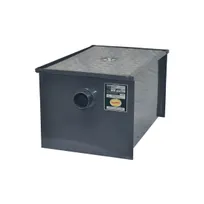
BK Resources BK-GT-40 3" Inlet/Outlet Grease Trap, 40 lbs. Grease Capacity - 20 gal/min
You can only compare up to 4 items.
Remove items from compare bar below to add more.

BK Resources BK-GT-50 3" Inlet/Outlet Grease Trap, 50 lbs. Grease Capacity - 25 gal/min
You can only compare up to 4 items.
Remove items from compare bar below to add more.
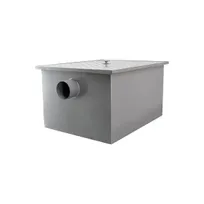
Omcan USA 46517 3" Inlet/Outlet Grease Trap, 40 Lbs. Capacity - 20 gal/min
You can only compare up to 4 items.
Remove items from compare bar below to add more.
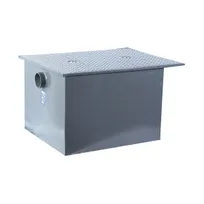
Dormont GI-200-K Watts Grease Interceptor, 4" Inlet/Outlet - 400 lbs Grease Capacity / 200 GPM
You can only compare up to 4 items.
Remove items from compare bar below to add more.

BK Resources BK-GT-30 2" Inlet/Outlet Grease Trap, 30 lbs. Grease Capacity - 15 gal/min
You can only compare up to 4 items.
Remove items from compare bar below to add more.
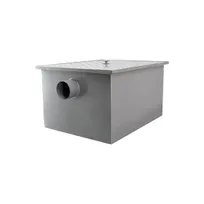
Omcan USA 46561 4" Inlet/Outlet Grease Trap, 100 Lbs. Capacity - 50 GPM
You can only compare up to 4 items.
Remove items from compare bar below to add more.
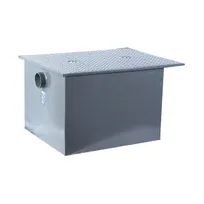
Dormont GI-400-K Watts Grease Interceptor, 6" Inlet/Outlet - 800 lbs Grease Capacity / 400 GPM
You can only compare up to 4 items.
Remove items from compare bar below to add more.

BK Resources BK-GT-20 2" Inlet/Outlet Grease Trap, 20 lbs. Grease Capacity - 10 Gal/Min
You can only compare up to 4 items.
Remove items from compare bar below to add more.
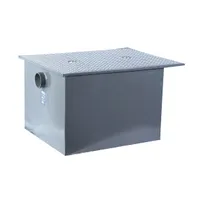
Dormont GI-500-K Watts Grease Interceptor, 6" Inlet/Outlet - 1000 lbs Grease Capacity / 500 GPM
You can only compare up to 4 items.
Remove items from compare bar below to add more.
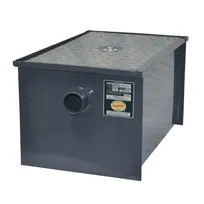
BK Resources BK-GT-70 3" Inlet/Outlet Grease Trap, 70 Lbs. Grease Capacity - 35 gal/min
You can only compare up to 4 items.
Remove items from compare bar below to add more.
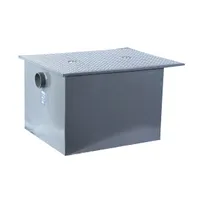
Dormont GI-150-K Watts Grease Interceptor, 4" Inlet/Outlet - 300 lbs Grease Capacity / 150 GPM
You can only compare up to 4 items.
Remove items from compare bar below to add more.
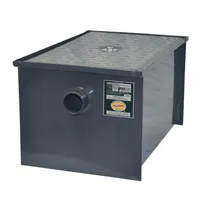
BK Resources BK-GT-100 4" Inlet/Outlet Grease Trap, 100 Lbs. Grease Capacity - 50 gal/min
You can only compare up to 4 items.
Remove items from compare bar below to add more.
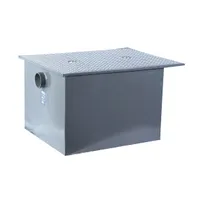
Dormont GI-250-K Watts Grease Interceptor, 4" Inlet/Outlet - 500 lbs Grease Capacity / 250 GPM
You can only compare up to 4 items.
Remove items from compare bar below to add more.
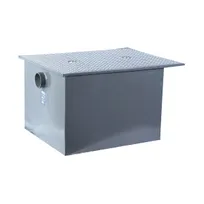
Dormont GI-75-K Watts Grease Interceptor, 4" Inlet/Outlet - 150 lbs Grease Capacity / 75 GPM
You can only compare up to 4 items.
Remove items from compare bar below to add more.
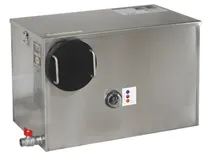
Grease Guardian GGX15M Manual Grease Trap, 30" Width, 15 GPM, 30+ lb Capacity, 304 Stainless Steel
You can only compare up to 4 items.
Remove items from compare bar below to add more.
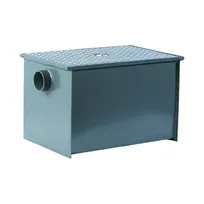
Dormont WD-4 Watts Grease Interceptor, 2" Inlet/Outlet - 8 lbs Grease Capacity / 4 GPM
You can only compare up to 4 items.
Remove items from compare bar below to add more.
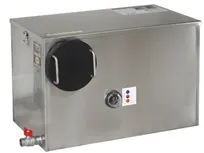
Grease Guardian GGX25M Manual Grease Trap, 32" Width, 16 Gal Tank, 25 GPM, 50+ lb Retention Steel UL499
You can only compare up to 4 items.
Remove items from compare bar below to add more.
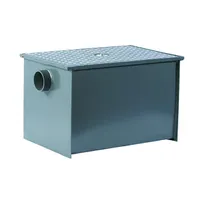
Dormont WD-7 Watts Grease Interceptor, 2" Inlet/Outlet - 14 lbs Grease Capacity / 7 GPM
You can only compare up to 4 items.
Remove items from compare bar below to add more.
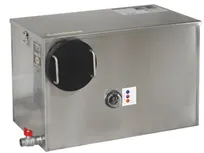
Grease Guardian GGX35M Manual Grease Trap, 35 GPM, 70+ lb Capacity, 40" Steel, UL499 Certified
You can only compare up to 4 items.
Remove items from compare bar below to add more.
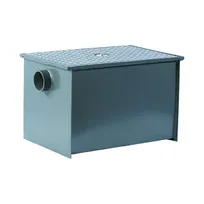
Dormont WD-10 Watts Grease Interceptor, 2" Inlet/Outlet - 20 lbs Grease Capacity / 10 GPM
You can only compare up to 4 items.
Remove items from compare bar below to add more.
Restaurant grease traps and interceptors capture fats, oils, and grease (FOG) from wastewater produced by commercial dishwashing equipment and sinks before discharge enters sewer lines. This process protects plumbing infrastructure, prevents drain blockages, and helps restaurants, hotels, schools, and healthcare kitchens stay in compliance with municipal FOG regulations.
Restaurant grease traps and interceptors vary by separator design, flow rate, draw-off method, grease capacity, inlet diameter, special features, and certifications. These specifications determine wastewater processing performance, installation compatibility, maintenance workload, and compliance with local plumbing and environmental regulations.
Chef's Deal supplies restaurant grease traps and interceptors from trusted brands, such as Dormont, GSW USA, John Boos, Thermaco, and more. Browse more complementary equipment, including commercial dishwashers, dish tables, booster heaters, waste pulpers, and garbage disposals to maintain efficient kitchen sanitation and drainage systems.