
Online Shopping!
 Filters
Free Shipping
Brand
Price
The highest Price is
$686.67
Width
The highest Width is
35.88 inch
Certifications
FiltersFree Shipping
Brand
Price
The highest Price is
$686.67
Width
The highest Width is
35.88 inch
Certifications
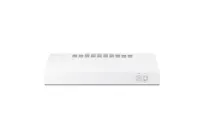
Summit HC20WW Under Cabinet Range Hood, 20" Wide, White Finish, 200 CFM Convertible Recirculating or Ducted, 3-1/4"x10" or 7" Round Vent, Charcoal Filter, Multi-Speed Fan, Rocker Switch, UL Listed
You can only compare up to 4 items.
Remove items from compare bar below to add more.
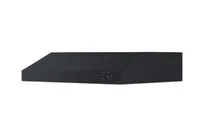
Summit HC24BBADA Under Cabinet Hood, 24" Black, 270 CFM Recirculating/Ducted, Fan, Mesh Filter, 115V ETL
You can only compare up to 4 items.
Remove items from compare bar below to add more.
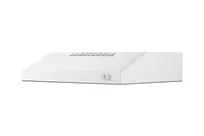
Summit HC24WWADA Under Cabinet Hood, 24" White, 270 CFM Convertible, Charcoal Mesh Filter, Fan, ETL, 115V
You can only compare up to 4 items.
Remove items from compare bar below to add more.
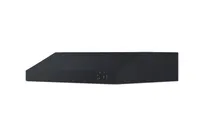
Summit HC20BBADA Under Cabinet Hood, 20" 270 CFM, Convertible, Charcoal/Aluminum Filter, ETL Certified
You can only compare up to 4 items.
Remove items from compare bar below to add more.
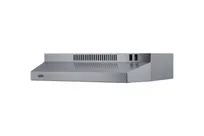
Summit H24RSSADA Range Hood, 24" Stainless Steel, Two-Speed Fan, Grease Filter, ADA, ETL, Top/Rear Exhaust
You can only compare up to 4 items.
Remove items from compare bar below to add more.
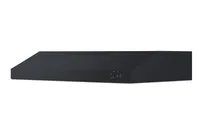
Summit HC30BB 30" Under Cabinet Range Hood, Black Finish, 200 CFM Convertible, Mesh Filter, ETL Certified
You can only compare up to 4 items.
Remove items from compare bar below to add more.
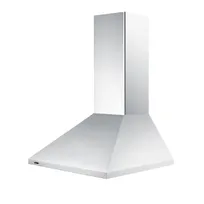
Summit SEH1524SS 24" Wall-Mount Hood, Steel, 6" Duct, 400 CFM Fan, LED, ETL Certified
You can only compare up to 4 items.
Remove items from compare bar below to add more.
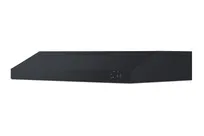
Summit HC30BBADA Under Cabinet Hood, 30" Black, 270 CFM Convertible, Charcoal Mesh Filter, 115V ETL
You can only compare up to 4 items.
Remove items from compare bar below to add more.
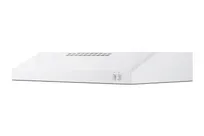
Summit HC30WWADA Under Cabinet Hood, 30" White, 270 CFM Recirculating/Ducted, Filter, Fan, 115V ETL
You can only compare up to 4 items.
Remove items from compare bar below to add more.
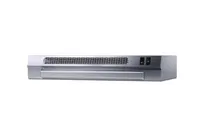
Summit HRTX24SS Low Profile 24" Retractable Range Hood, Stainless Steel
You can only compare up to 4 items.
Remove items from compare bar below to add more.
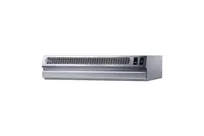
Summit HRTX18SS Low Profile 18" Retractable Range Hood, Stainless Steel
You can only compare up to 4 items.
Remove items from compare bar below to add more.
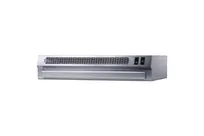
Summit HRTX20SS Low Profile 20" Retractable Range Hood, Stainless Steel
You can only compare up to 4 items.
Remove items from compare bar below to add more.
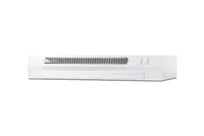
Summit HRTX24WADA 24" Retractable Range Hood, Glossy White, CSA Certified
You can only compare up to 4 items.
Remove items from compare bar below to add more.
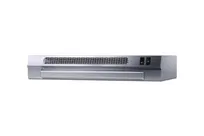
Summit HRTX24SSADA ADA Compliant 24" Retractable Range Hood, Stainless Steel
You can only compare up to 4 items.
Remove items from compare bar below to add more.
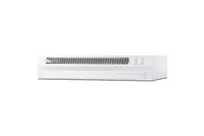
Summit HRTX20WADA ADA Compliant 20" Retractable Range Hood, Glossy White
You can only compare up to 4 items.
Remove items from compare bar below to add more.
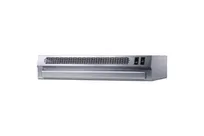
Summit HRTX20SSADA ADA Compliant 20" Retractable Range Hood, Stainless Steel
You can only compare up to 4 items.
Remove items from compare bar below to add more.
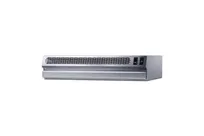
Summit HRTX18SSADA ADA Compliant 18" Retractable Range Hood, Stainless Steel
You can only compare up to 4 items.
Remove items from compare bar below to add more.
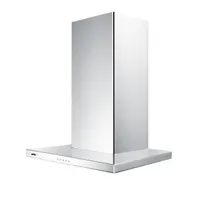
Summit SEH4624SS - 24" Wall-Mounted Range Hood, 400 CFM Blower, Charcoal Filter Set, 6" Duct, ETL Certified
You can only compare up to 4 items.
Remove items from compare bar below to add more.
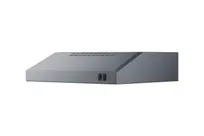
Summit HC20SSADA Cabinet Hood, 20" Stainless Steel, 270 CFM Recirculating/Ducted, Mesh Filter, ETL Certified
You can only compare up to 4 items.
Remove items from compare bar below to add more.
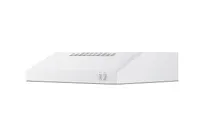
Summit HC20WWADA Under Cabinet Hood, 20" White, 270 CFM Convertible, Charcoal/Aluminum Filter, Fan, 115V ETL
You can only compare up to 4 items.
Remove items from compare bar below to add more.